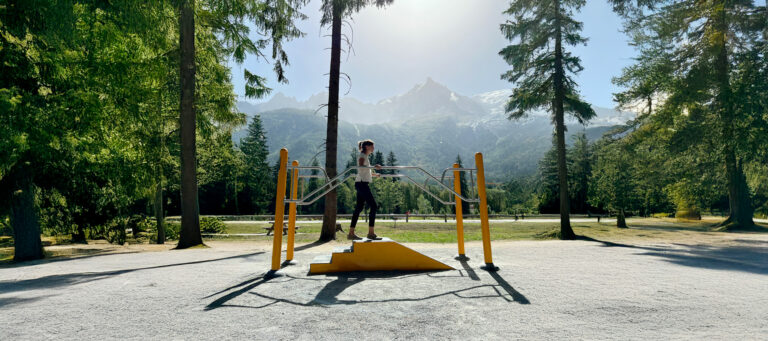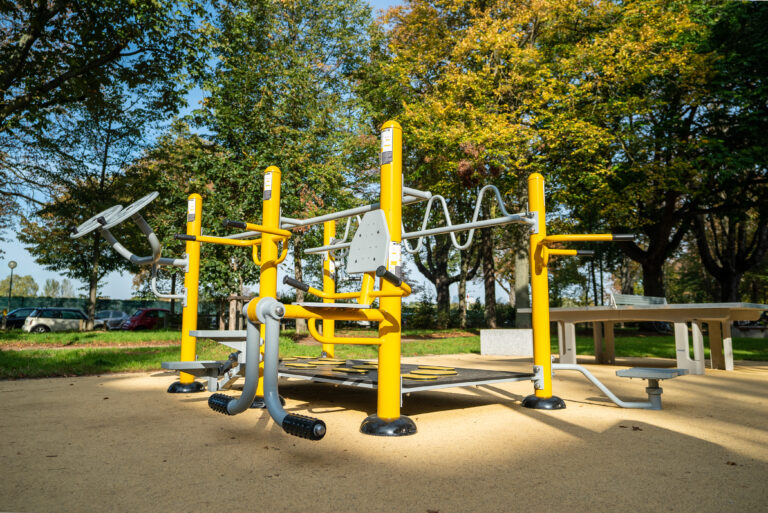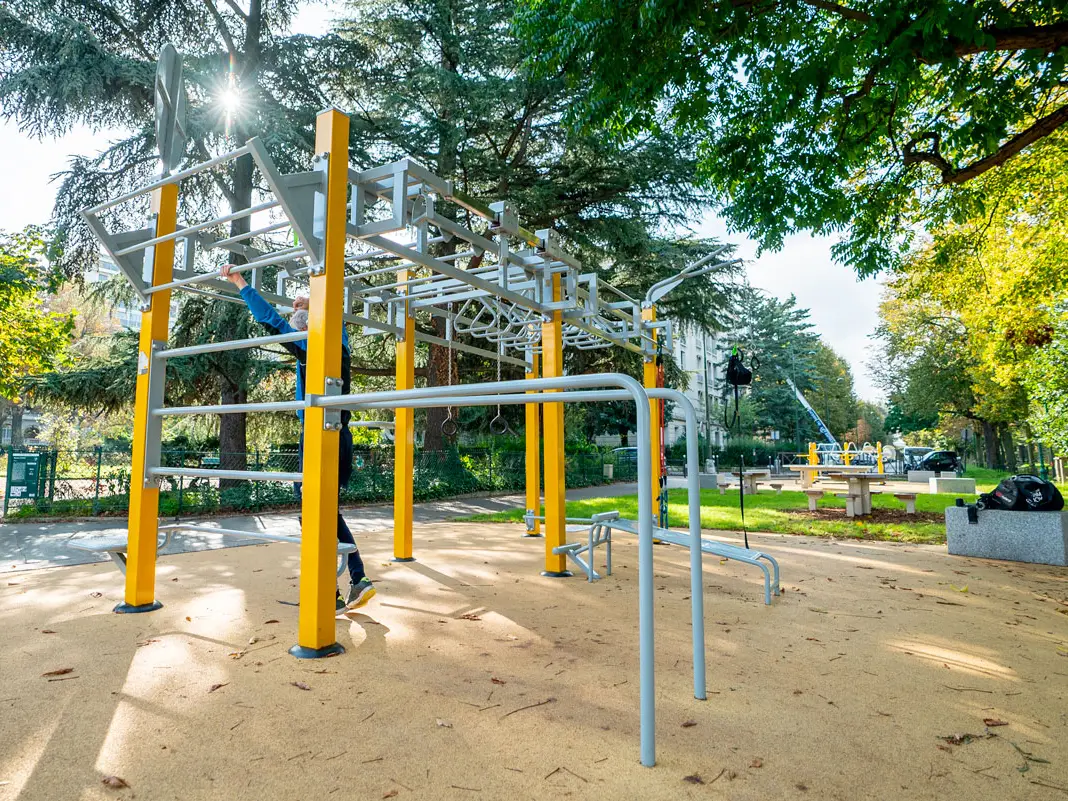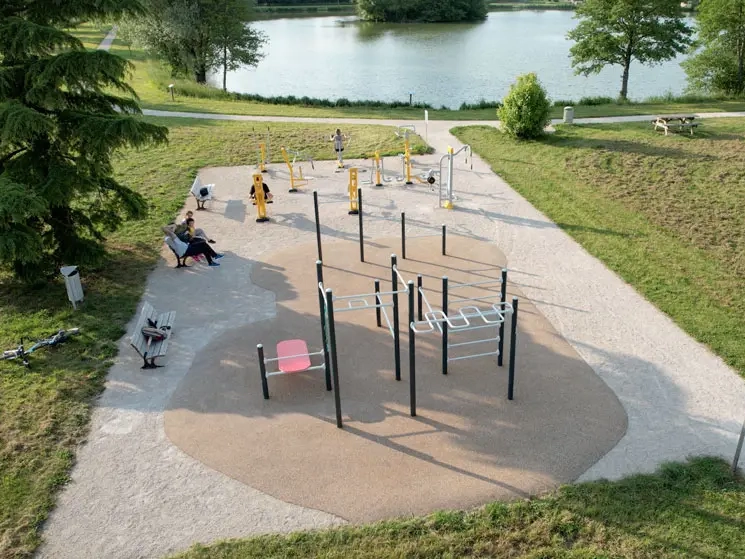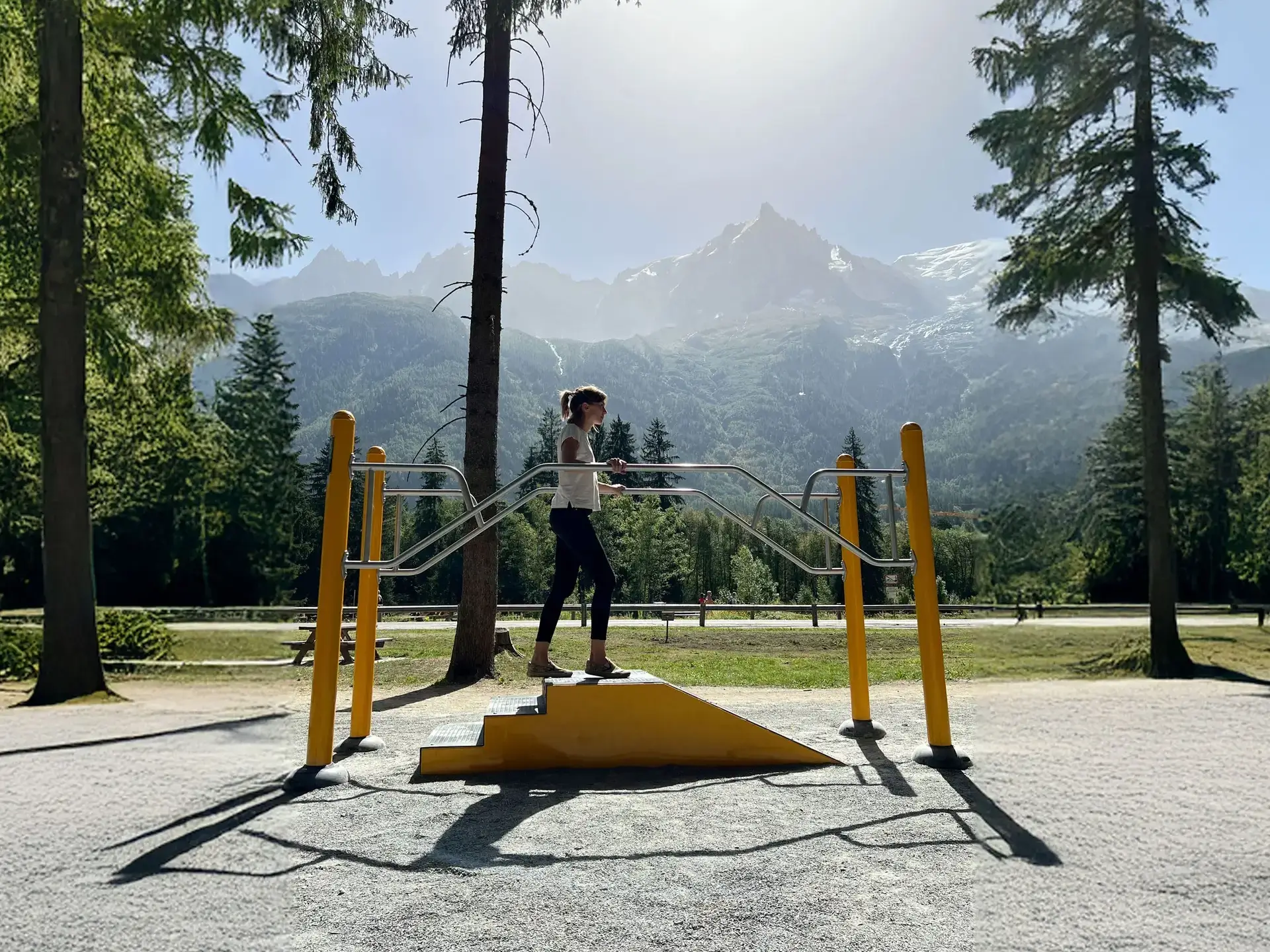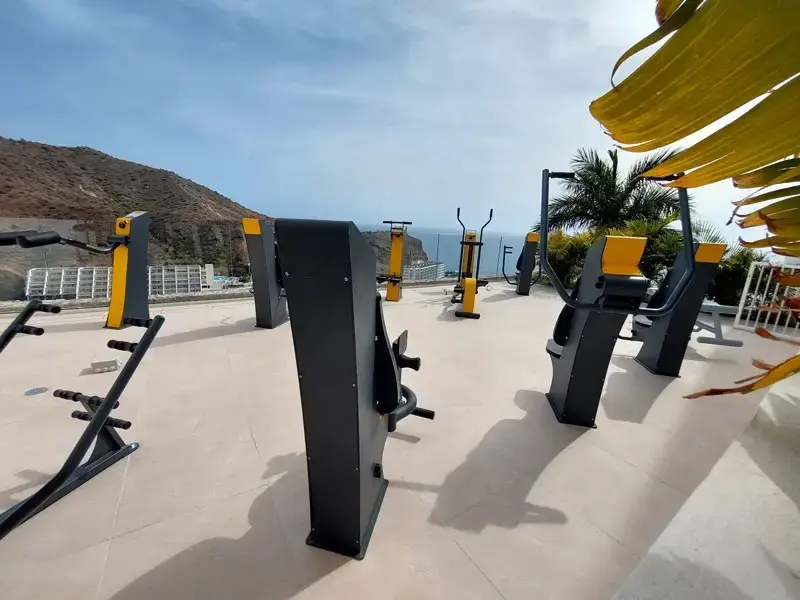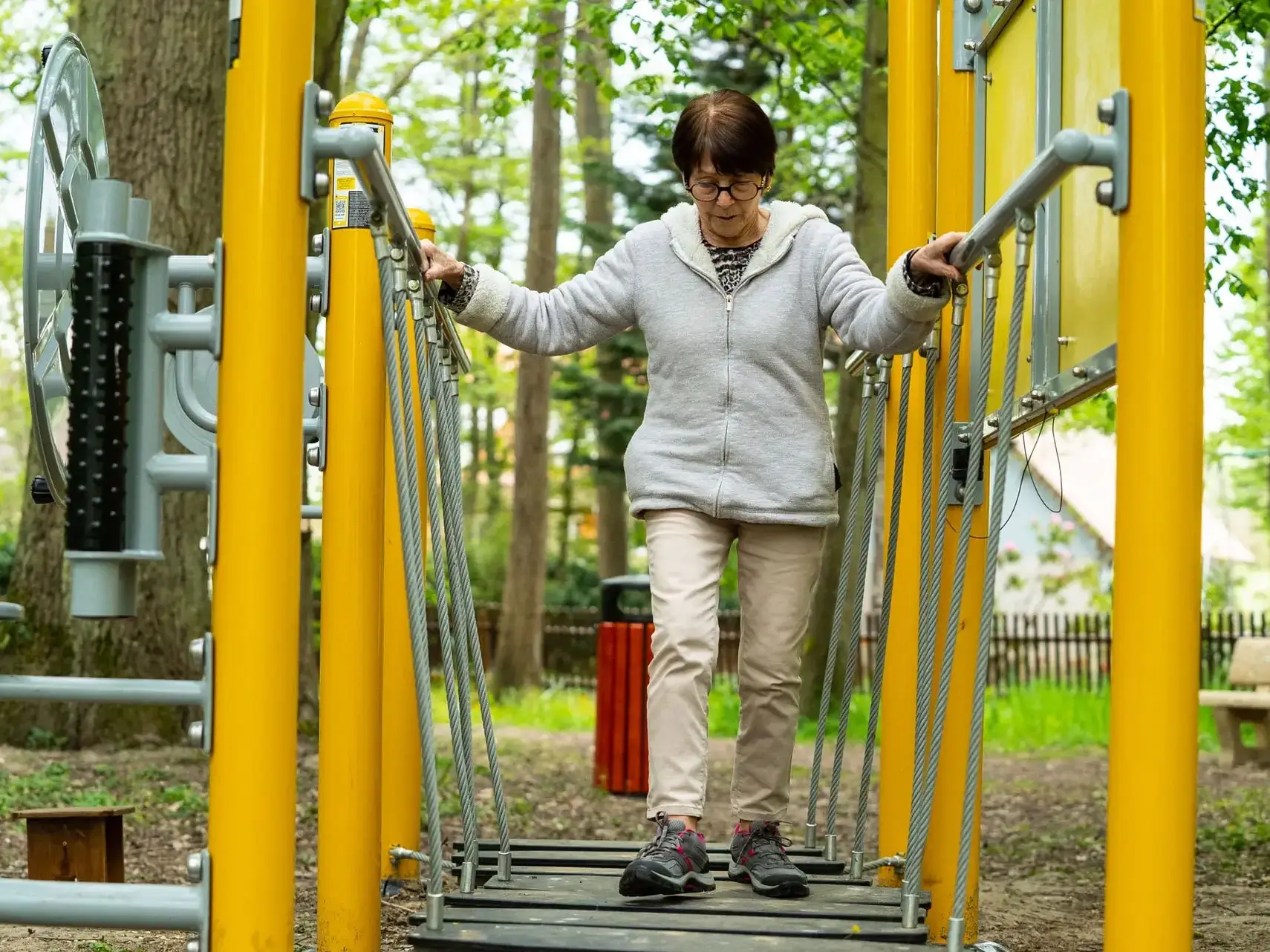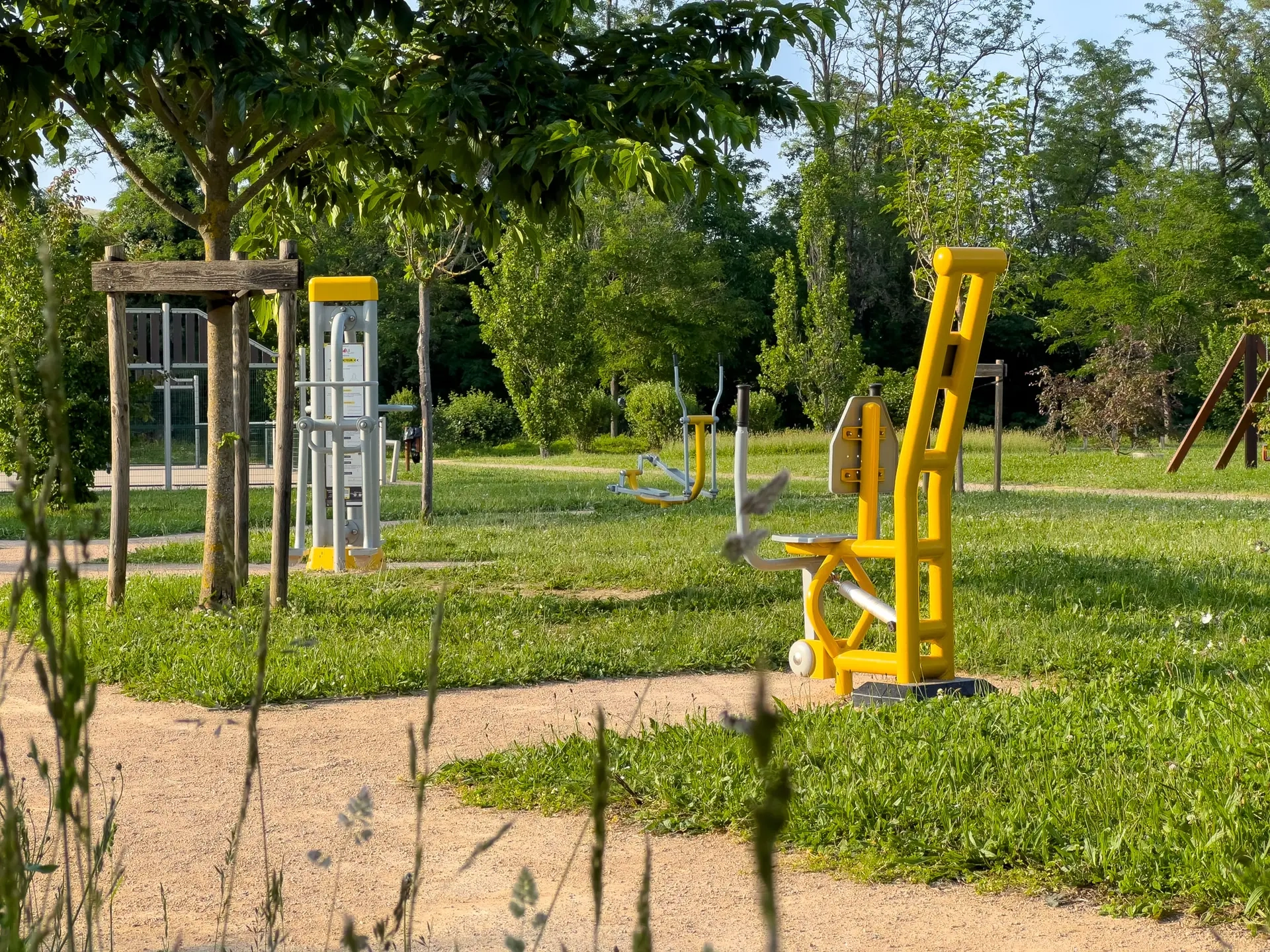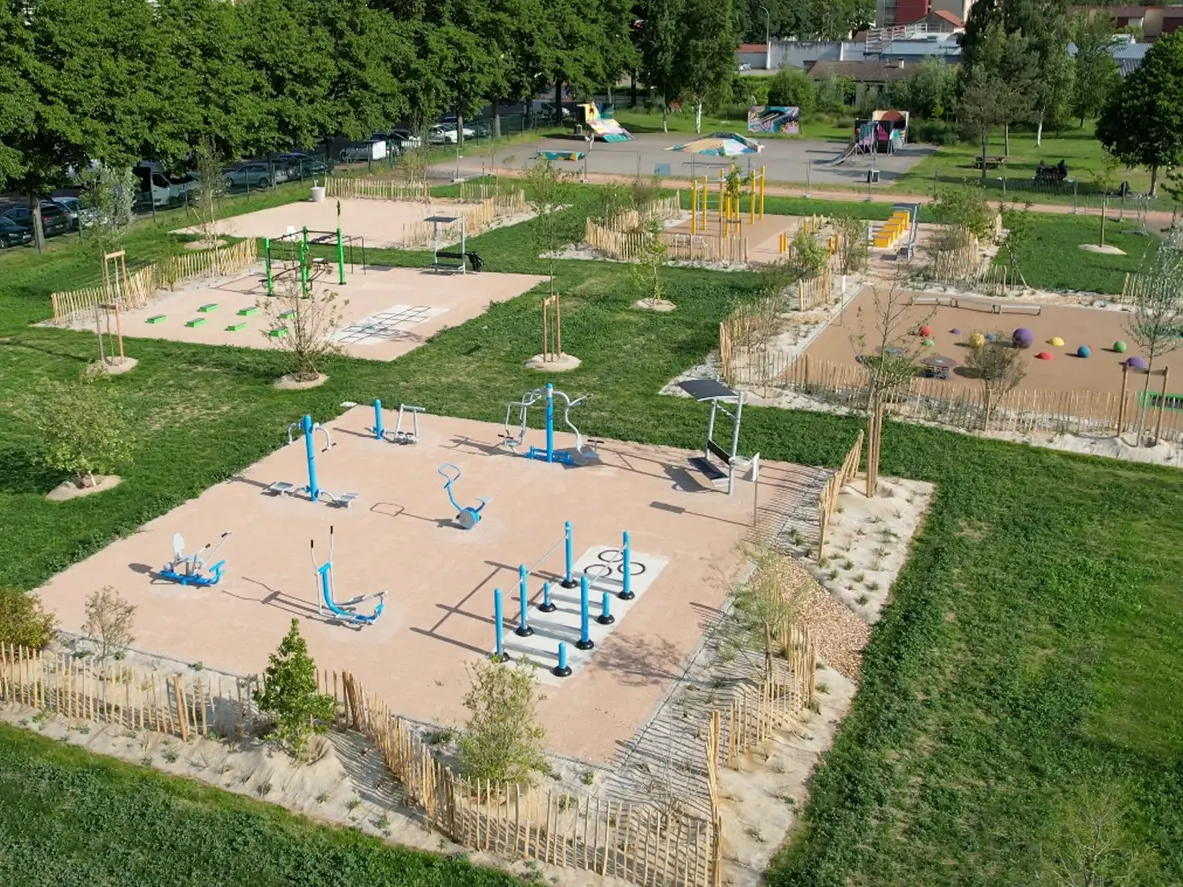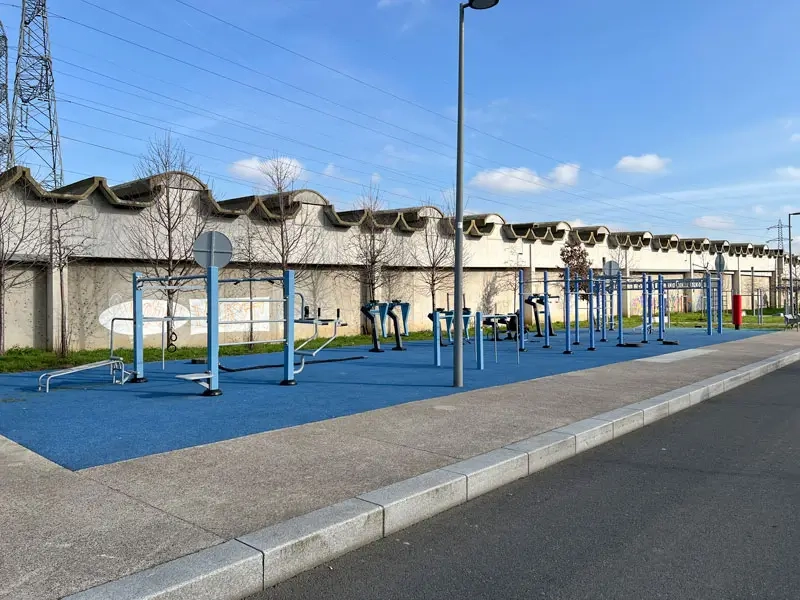

Outdoor sports are attracting an increasing number of enthusiasts who want to get moving again, enjoy the fresh air and vary their routine. Outdoor sports courses offer an effective workout that combines fun, conviviality and contact with nature. Away from traditional gyms, you’ll discover a different way of exercising, thanks to a variety of outdoor sports equipment: modular exercise stations, sturdy sports equipment and adapted layouts that blend naturally into the urban or natural landscape.

Key takeaways:
- An outdoor fitness trail combines cardio, muscle strengthening, mobility and balance.
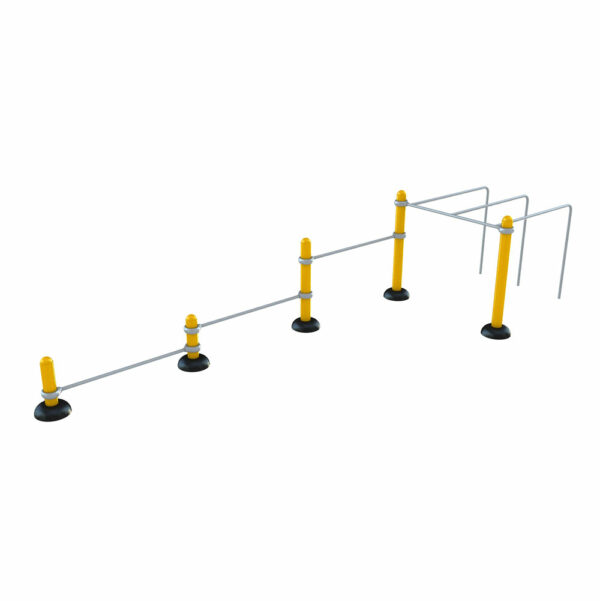
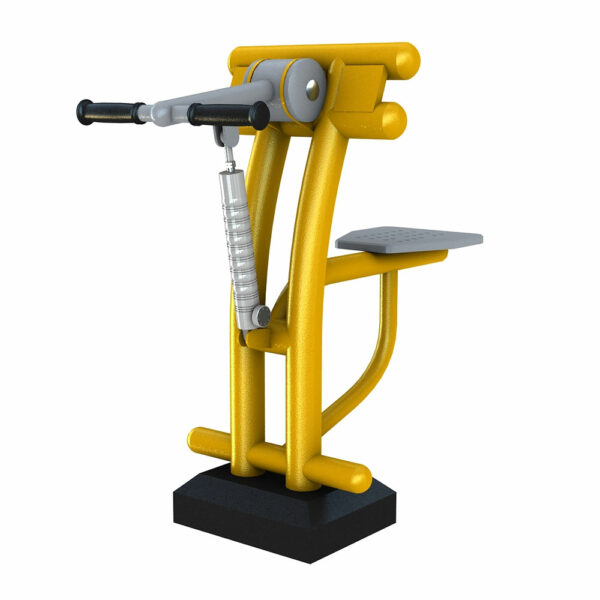
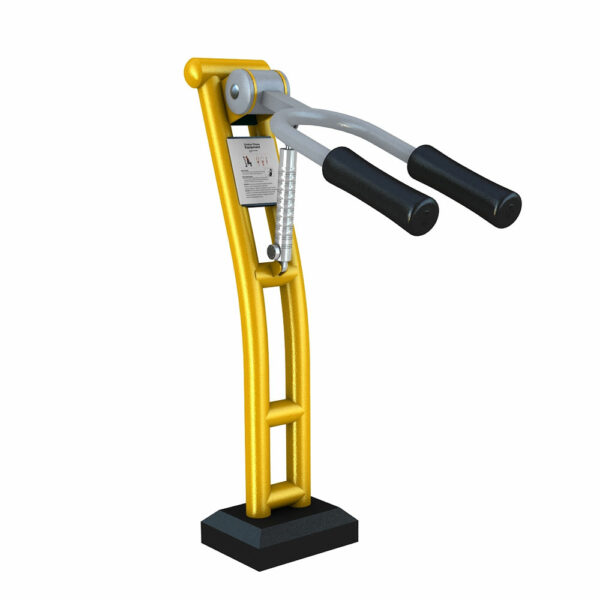
- It consists ofoutdoor fitness areas with modular stations and sturdy equipment: parallel bars, fixed bars, inclined benches, agility blocks.
- Suitable for all ages and levels, from beginners to advanced athletes.
- Allows for fun, motivating practice, with natural progression thanks to the variety of exercises.
- Favors regularity and spontaneity: accessible free of charge, without subscription or time constraints.
- Encourage social interaction: shared activities, mutual aid and conviviality in the public space.
- Safety and technique are essential: warm-up, correct posture, equipment inspection.
- Possibility ofadapting the session according to level and objectives: adjustable intensity, variations for each exercise.
- Outdoor exposure beneficial for mental well-being and vitamin D synthesis.
What is an outdoor fitness trail?
A fitness trail, often referred to as a “parcours de santé”, consists of a succession of exercise stations set out in a dedicated area, usually in a park, near a forest or by a lake. Behind each piece of outdoor fitness equipment lies a targeted training logic, stimulating both the cardio-respiratory system and muscle strengthening. Suitable for all ages and levels, these areas promote fitness and encourage regular exercise in the community.
Activities vary according to the layout of the site: brisk walking between two workshops, pull-ups on fixed bars, balance exercises or jumping on blocks. The layout aims for natural progression in stages, based on the principles of progressive overload and full range of movement. The variety of sports equipment prevents monotony and stimulates the whole body.
What are the main features of a fitness trail?
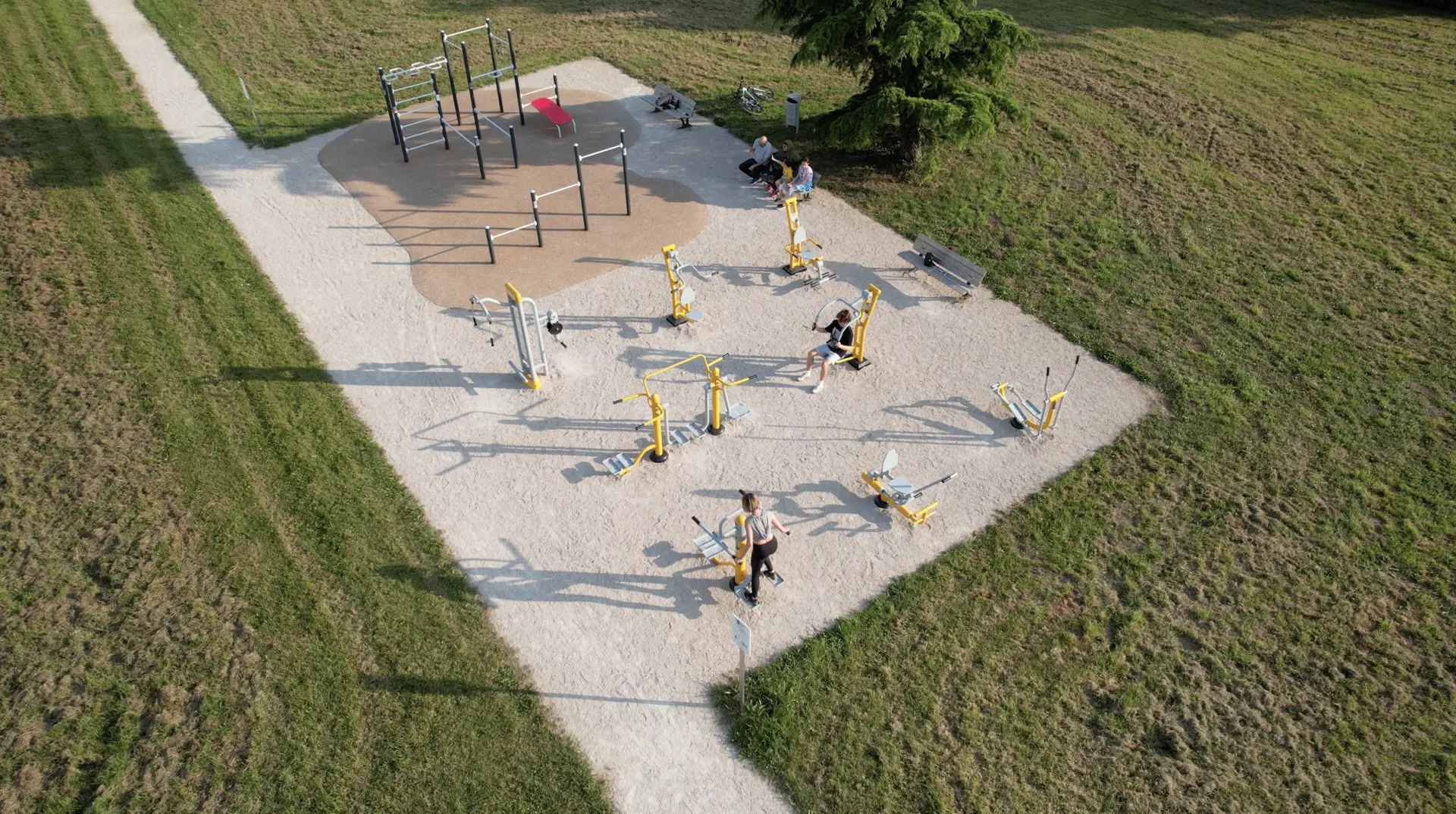
The outdoor fitness area brings together several types of sports equipment, each with a specific role in the training progression. The aim is to offer a range of exercises for all muscle groups, integrating warm-up, strength development, joint mobility and endurance.
- Parallel bars for dips and triceps extensions
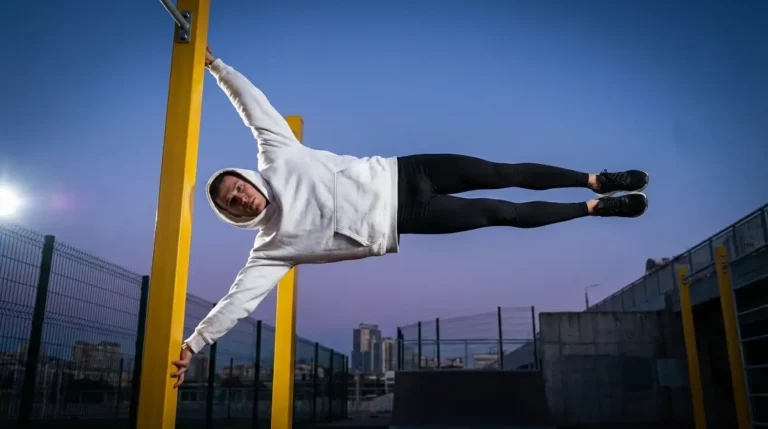
- Fixed bars for pull-ups and scapular suspensions
- Inclined benches for sit-ups and leg raises
- Agility blocks and horizontal ladders for coordination
- Suspension equipment for pull-ups, push-ups and muscle-building exercises
Each exercise station targets a specific aspect: concentric work on the way up (e.g. raising the torso in a sit-up), followed by eccentric contraction on the way down. This biomechanical pattern optimizes muscle strengthening and limits the risk of injury, especially if you respect the full amplitude adapted to your individual mobility.
What are the benefits of outdoor sport?
Varied and complete training
Physical activity on a fitness trail offers unique benefits. You benefit from a natural program that combines endurance, power, balance and flexibility. Several muscle groups are exercised simultaneously thanks to the diversity of the exercise equipment, generating progress without fatigue. Whether you’re a beginner or an experienced exerciser, you can easily adapt the intensity of your workout thanks to the wide range of exercise stations.
The fun aspect boosts motivation over time. Moving from one station to the next breaks the monotony and introduces a constant personal challenge. You progress at your own pace, in optimum safety conditions, as long as you respect the warm-up and technique specific to each workshop.
Accessibility and social ties
One of the major advantages of outdoor fitness trails is that they are free and universally accessible. These outdoor fitness areas, set up by local authorities, make sport accessible without subscription or time constraints. They cater for a wide range of users: families, senior citizens seeking to preserve their mobility, and regulars who come for their daily workout. The open-plan setting encourages exchanges and mutual support, creating a real social dynamic.
This ease of access encourages the integration of fitness into everyday life. It only takes a few minutes, during a break or after work, to take advantage of an exercise station. This spontaneity facilitates regularity and reduces obstacles linked to lack of time or logistics.
Practical advice on how to make the most of a sports course
Session selection and organization
To get the most out of a sports course, build a balanced sequence of workshops. Alternate upper- and lower-body exercises to challenge different muscle chains. Plan an overall warm-up including light running or joint rotations, then pay particular attention to technique at each exercise station, even in fast sequences.
Adjust the intensity to your level: modulate the number of repetitions, play with cadence or personalize each exercise. On certain sports apparatus, such as parallel bars or inclined benches, start with a strict technique before gradually introducing variations to increase difficulty.
Safety and recovery
Never improvise! Correct posture at every station greatly reduces the risk of injury. Make sure you distribute your body weight evenly and keep your joints stable during exercise. Adequate hydration, combined with regular breaks, promotes optimal recovery before resuming exercise.
Remember to repeat your sequences regularly to avoid stagnation. Incorporate active stretching at the end of your workout: it improves mobility, supports muscular progress and preserves joint health. Practicing outdoors also brings added benefits thanks to exposure to the sun and continuous movement.
Frequently asked questions about outdoor sports trails
What’s the point of an outdoor fitness trail?
An outdoor fitness trail offers a circuit of exercises accessible to all to improve overall fitness. It combines muscle strengthening, endurance and mobility. It also promotes team spirit and encourages regular practice.
- Health prevention through regular activity
- Harmonious muscle development
- Reinforcing social motivation
How do you organize a session on an outdoor fitness area?
Always start with a joint warm-up, then move on to a series of fluid exercise stations. Alternate the muscle groups involved and adjust the difficulty according to your abilities. Don’t forget to include active recovery phases, and finish with stretching.
- Warm-up (5-10 minutes)
- Varied exercise circuit (20-30 minutes)
- Stretching phase (5 minutes)
What precautions should be taken with outdoor equipment?
Before each use, check the condition of the equipment and make sure there are no slippery or damaged surfaces. Wear suitable footwear and respect your physical limits. Remember to hydrate regularly and keep an eye on the weather.
- Rapid visual inspection
- Respect for execution technique
- Hydration and breaks as needed
What types of exercise can be found on a fitness trail?
On a sports course, you’ll find pulling, pushing, sheathing and balancing exercises. Each exercise station features one or more targeted bodyweight movements.
| Type of workshop | Example Exercise |
| Thrust | Pumps on bars or floor |
| Pull-up | Chin-ups on high bar |
| Abdominals | Suspended knee raises |
| Mobility/Agility | Obstacle jumps, chassé steps between studs |