
What is street workout and why is it attracting more and more women?
Street workout, a combination of gymnastics and bodyweight training, is becoming increasingly popular with women. Long perceived as a predominantly male sport, it is now attracting a new generation of female practitioners, seduced by its freedom, accessibility and numerous physical and mental benefits.
With its impressive figures, fluid sequences and close-knit community, this discipline stands out for its playful, progressive nature. But why is it so popular with women? What specific benefits can they derive from it, and how do they overcome the obstacles still present in this environment?
In this article, we’ll take an in-depth look at the evolution of women’s street workout, its benefits, inspiring testimonials from female practitioners and the challenges to be met to further democratize this discipline among women.
Understanding Street Workout
What exactly is street workout?
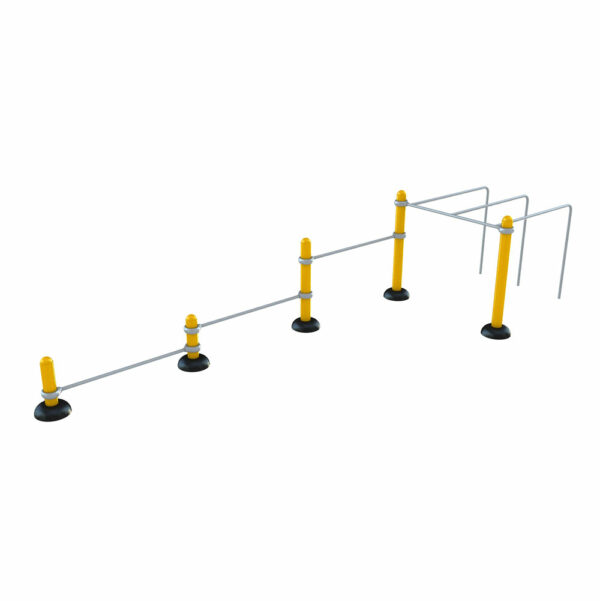
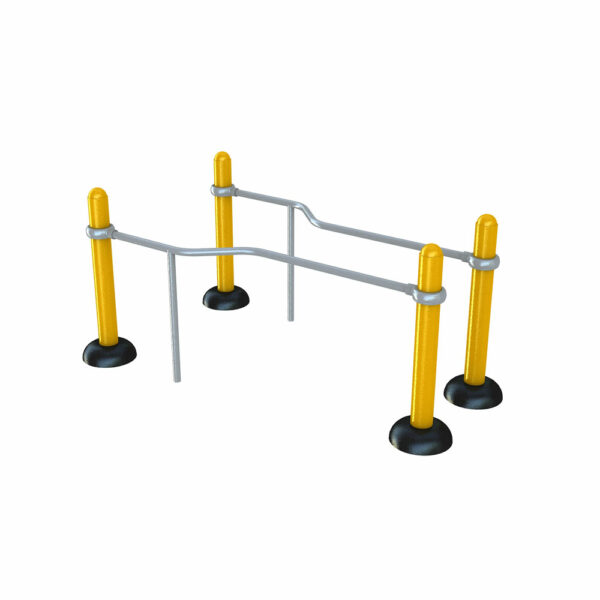
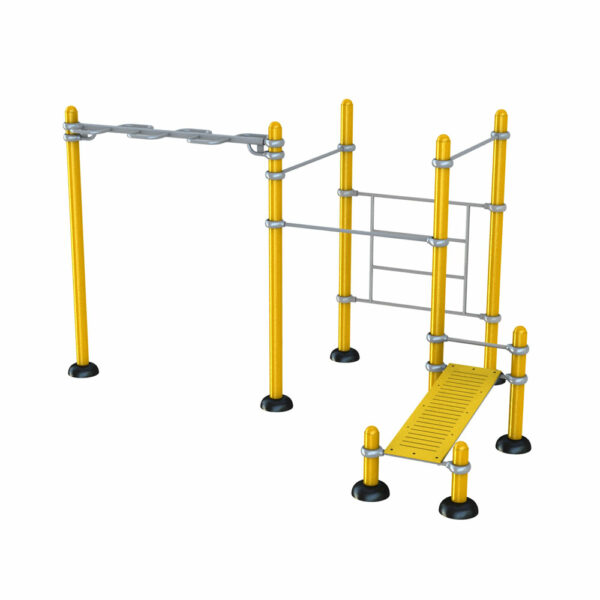
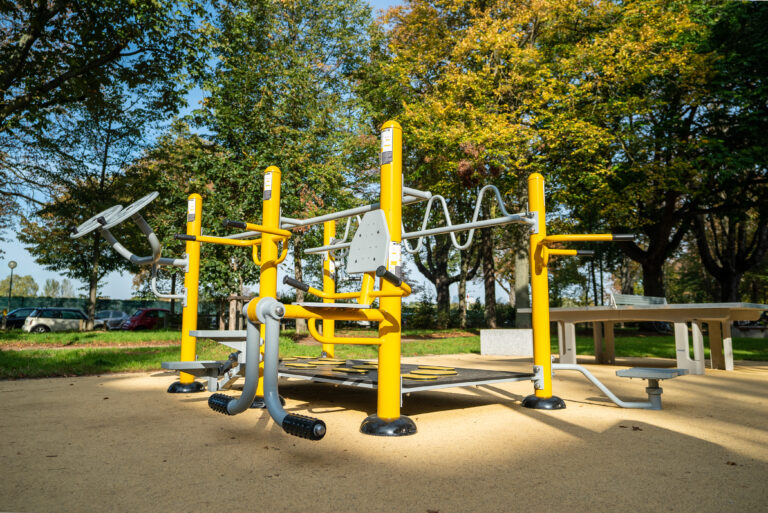
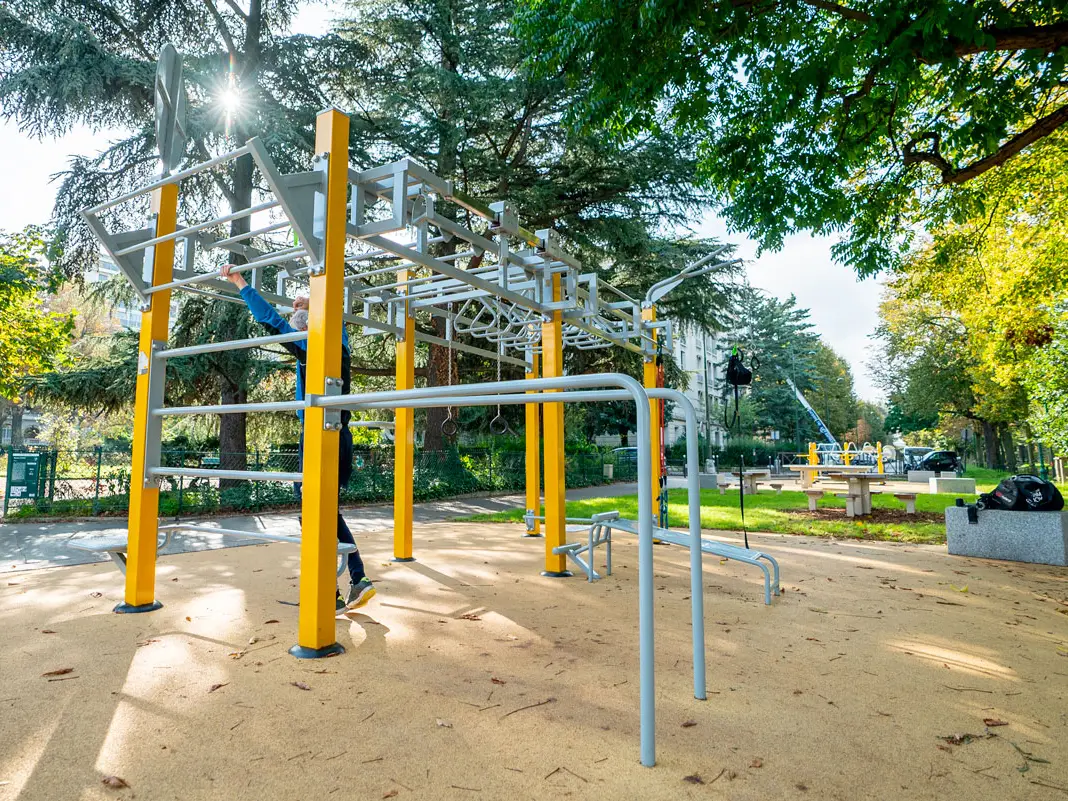
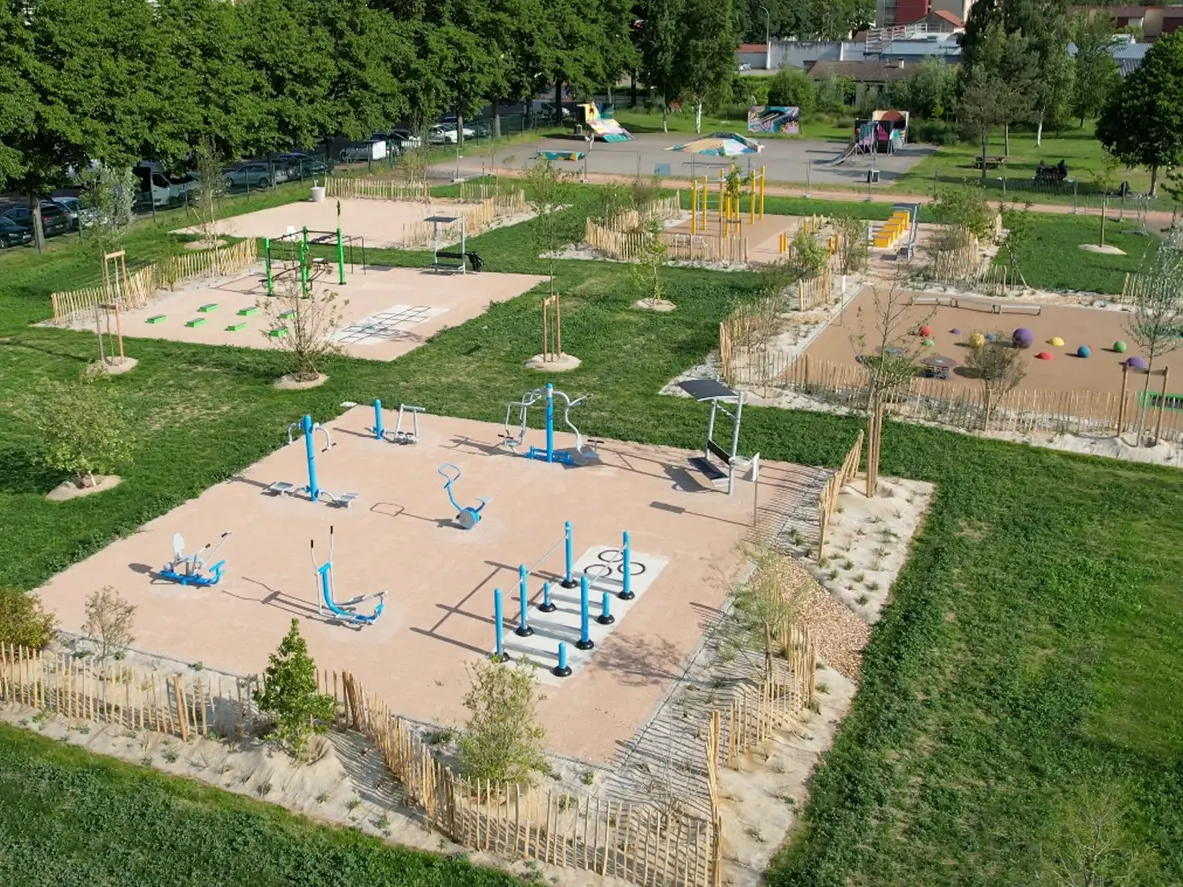
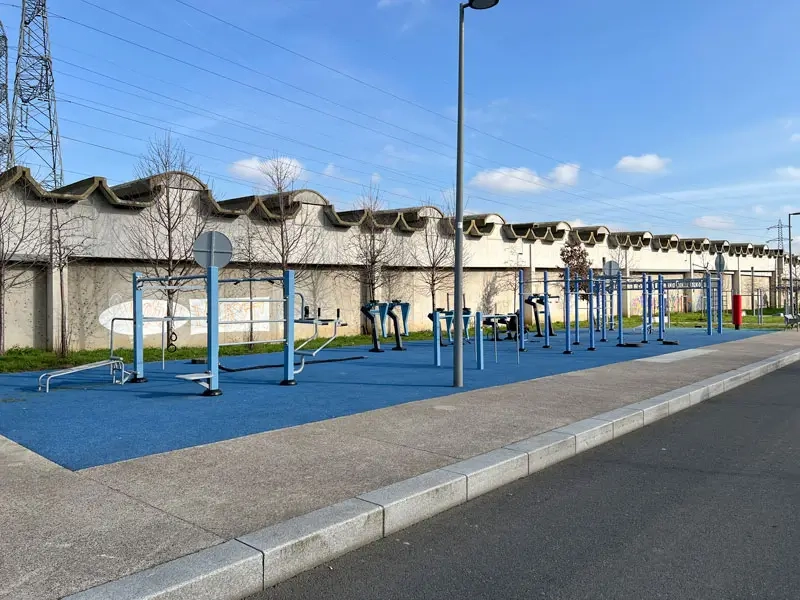
Street workout is a sports discipline that combines bodyweight training and urban gymnastics. It is generally practiced outdoors, on dedicated structures such as pull-up bars, parallel bars and calisthenics modules. Far removed from traditional gyms, it emphasizes freedom of movement and adaptability, enabling each individual to progress according to his or her level.
Definition and origins of street workout
Street workout has its roots in calisthenics, a set of bodyweight-only exercises. Popularized in the 2000s thanks to viral videos and international competitions, it has enjoyed a meteoric rise, particularly in Europe and the United States. The sport emphasizes physical performance, aesthetic movement and creativity.
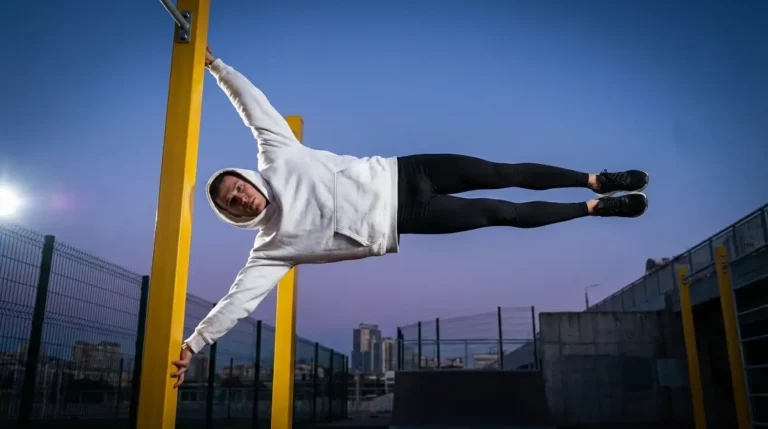
Unlike classic weight training, which relies on the use of additional loads, street workout favors exercises such as pull-ups, dips, push-ups and static figures (such as the flag or plank). The aim is to develop strength, flexibility, balance and endurance through functional movements.
The fundamental principles of this discipline
Street workout is based on several key principles:
- Bodyweight training: No need for dumbbells or machines, the body is both the load and the tool.
- Progressive progression: each movement has several levels of difficulty, enabling beginners and advanced alike to progress at their own pace.
- Creativity and freedom: Unlike other sports, there are no set routines. Everyone can invent their own routines and express themselves through their movements.
- Community spirit: Street workout is much more than a sport, it’s a culture. Practitioners exchange advice, help each other and progress together, notably via social networks and competitions.
More and more women are turning to this discipline for its physical benefits and motivating aspect. Contrary to popular belief, you don’t need to be ultra-muscular or have extraordinary strength to start. You can progress at your own pace, adapting the exercises to your own abilities.
Summary
Street workout is a discipline based on bodyweight training, accessible to all and constantly evolving. It offers total freedom in training and is supported by a strong community. Its popularity is due to its simplicity, effectiveness and the fact that it can be practised without the need for special equipment. It’s a sport that’s winning over more and more women looking for a dynamic, motivating workout.
What’s the difference between street workout and traditional bodybuilding?
Street workout and indoor weight training share the same objective: to develop strength and improve physical condition. Yet these two disciplines differ in several key respects, including training methods, equipment used and physical benefits. For women wishing to embark on one of these practices, understanding their differences is crucial to choosing the one best suited to their expectations and objectives.
Comparison of training methods
One of the main differences between street workout and traditional weight training lies in the way the exercises are performed and the muscles involved.
- Street workout: a functional and versatile workout
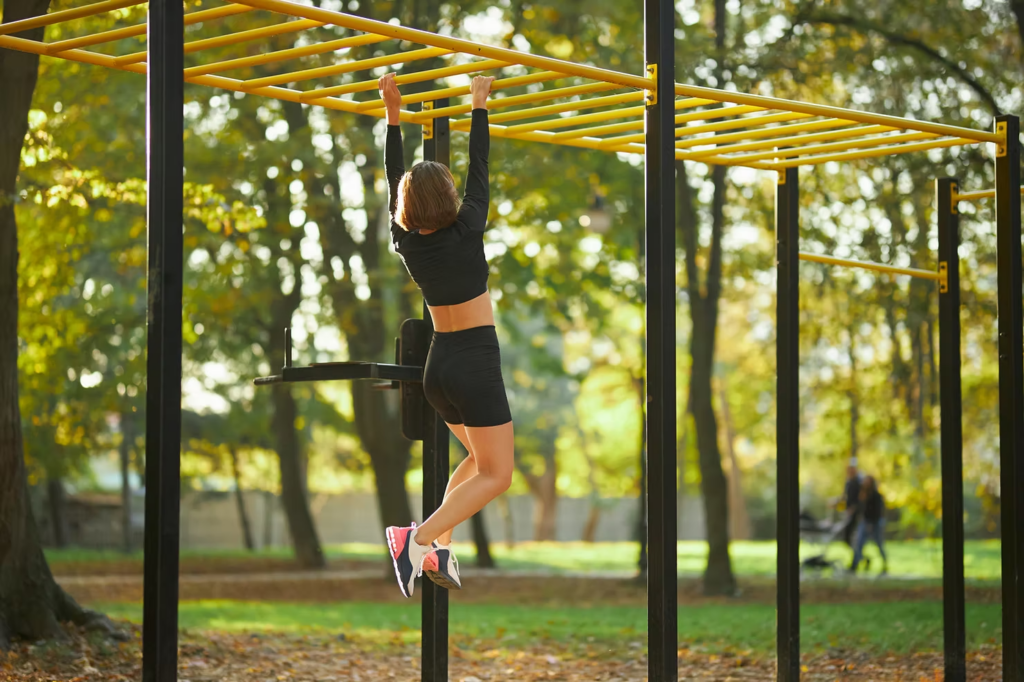
Street workout is based on bodyweight exercises that mobilize several muscle groups simultaneously. The movements often involve sheathing and coordination, which helps to develop overall functional strength.Examples of exercises :- Pull-ups
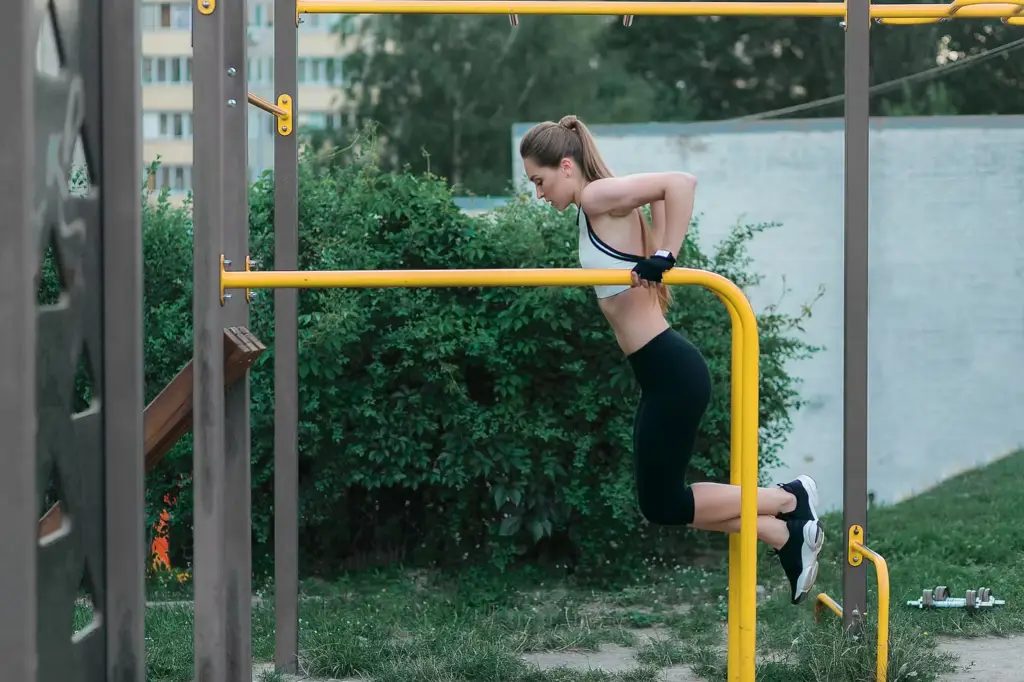
- Dips
- Explosive pumps
- Squats and pistol squats
- Static figures such as the plank or the flag
- Traditional bodybuilding: targeted, progressive training
In traditional bodybuilding, training is based on the use of additional loads (dumbbells, bars, machines) to isolate muscle groups and gradually increase strength and muscle mass.Examples of exercises :- Bench press (pectorals)
- Biceps curl with dumbbells
- Barbell squat
- Leg press
Specific benefits of street workout
While both disciplines have their advantages, street workout offers unique benefits that are attracting more and more women.
1. Accessible, economical training
Unlike indoor weight training, which requires a membership and expensive equipment, street workout can be done anywhere: in an equipped park, on a pull-up bar or even at home with a simple mat. It’s the ideal discipline for those who want to train outdoors and without material constraints.
2. Harmonious muscle strengthening
Street workout involves the whole body in functional exercises that improve posture, coordination and overall strength. It avoids the muscular imbalance sometimes seen in conventional weight training, where certain muscles can be worked more than others, depending on the athlete’s preferences.
3. A constant mental and physical challenge
With its many figures and levels of progression, street workout is a real challenge. Each new routine or figure is a victory that boosts motivation and self-confidence. For many practitioners, the sport becomes a real passion that goes beyond the simple notion of training.
4. A sport that develops agility and flexibility
Unlike bodybuilding, which focuses on raw strength, street workout also works on mobility and flexibility. Exercises such as the L-sit, muscle-up or plank improve not only strength, but also fluidity of movement and muscular elasticity.
5. A motivating and inspiring community
Finally, one of the greatest assets of street workout is its community spirit. Group workouts, challenges on social networks and encouragement between practitioners create a friendly, motivating atmosphere that pushes everyone to progress and surpass themselves.
Summary
Street workout and traditional weight training are two complementary approaches to muscle strengthening. While indoor weight training enables targeted work and optimal muscle gain, street workout is functional, accessible and fun. It involves the whole body, improves flexibility and offers a constant challenge. For women looking for a versatile and motivating workout, street workout is an excellent alternative to classic bodybuilding.
The Evolution of Women’s Street Workout
How have women entered the world of street workout?
For a long time, street workout was seen as a male-only sport, due to the physical demands it imposed and the male dominance of competitions and promotional videos. Over the years, however, more and more women have taken an interest, started training and proved that this discipline is just as accessible and beneficial to them. This evolution has not been without its challenges, but it marks an important transformation in the perception of women’s sport.
History of women’s participation in this discipline
In the 2000s, when street workout began to gain visibility thanks to social networking and international competitions, the majority of athletes featured were men. Figures such as muscle-ups, planks and handstands seemed inaccessible to women, and very few female practitioners were visible on the media scene.
However, with the democratization of fitness and the rise of the “strong is the new sexy” movement, attitudes began to change. More and more women became interested in functional bodybuilding disciplines and began sharing their performances online. Athletes such as Andrea Larosa, Melanie Driessen and Tatyana Lysenko helped popularize women’s street workouts, showing that women too could master impressive figures and compete with men on certain moves.
At the same time, street workout competitions began to open up women’s categories, offering female practitioners official recognition and a framework in which to express themselves fully in the sport. Today, world and national championships systematically include women’s events, and female participation is steadily increasing.
The pioneers of women’s street workout
If women’s street workout is now well established, it’s thanks to athletes who have dared to break the codes and show that women have their place in this discipline. Among them:
- Melanie Driessen One of the first women to push the boundaries of women’s street workout, performing advanced tricks such as the 360° bar spin or the plank.
- Tatyana Lysenko: Known for her impressive strength and mastery of static exercises, she has inspired many practitioners through her competitive performances.
- Leah Eslava: An athlete who proves that street workout can be both an art and a physically demanding discipline, thanks to elegant, technical sequences.
- Simone Ming: Champion of numerous competitions, she has played a major role in the recognition of women’s performance in street workout.
These women have helped to change attitudes and encourage others to take the plunge, proving that strength and agility are not a question of gender, but of determination and training.
Summary
Women’s street workout has come a long way since its beginnings. Initially marginalized in this discipline, women were able to assert their place thanks to social networks, competitions and pioneering athletes who set an example. Today, more and more women are practising and pushing back their limits, contributing to a major evolution in the discipline.
LET’S TALK ABOUT YOUR PROJECT
Let us support you
What are the obstacles faced by women in street workout and how can they be overcome?
While women’s street workout has grown considerably in recent years, there are still a number of social, physical and psychological obstacles to overcome. Fortunately, a number of solutions exist to overcome them and encourage more women to take up this discipline.
Stereotypes and prejudice
One of the main obstacles for women in street workout is the stereotypes that are still very present in the world of sport.
1. “Street workout is too physical for women”.
Many still think that women don’t have enough strength to perform advanced exercises such as pull-ups or static figures. However, with appropriate, progressive training, women can develop impressive strength. It’s important to remember, however, that each individual progresses at his or her own pace, and that men too have to go through a learning curve before they can successfully perform complex figures.
2. “Doing street workout will make women too muscular”
Another widespread prejudice is the idea that street workout will transform the female body into an overly “masculine” silhouette. In reality, muscle development depends on many factors (training intensity, genetics, diet), and street workout above all helps to sculpt an athletic, toned body.
3. “Women have no place in such a masculine sport”.
Some women are reluctant to take up street workout for fear of other people’s stares, or because they feel isolated in an environment that is still largely male-dominated. However, there are many women’s communities today, whether on social networks, in street workout parks or through specially dedicated events.
Solutions and initiatives to encourage female participation
Faced with these obstacles, there are a number of solutions to support and motivate more women to join the street workout community.
1. Create women’s training groups
To encourage mutual support and motivation, some towns and associations have set up training sessions exclusively for women. This enables beginners to feel more at ease and to progress in a supportive environment.
2. Developing appropriate educational content
Social networks play a key role in the democratization of women’s street workout. Many athletes now share advice, training programs and instructional videos to help women progress. Among the most popular content :
- Tutorials to learn pull-ups and dips
- Specific exercises to develop upper body strength
- Inspiring testimonials from practitioners who have overcome their difficulties
3. Increase the visibility of women’s competitions
Although street workout competitions now include women’s categories, they are often less publicized than those for men. An effort needs to be made to give greater prominence to the performances of female athletes and encourage new generations to take an interest.
4. Encourage progressive training
One of the most daunting elements for a beginner is the difficulty of basic movements (such as pull-ups). It is therefore essential to promote progressive training, with exercises adapted to all levels:
- Use of elastic bands to facilitate pull-ups
- Floor work before moving on to bars
- Specific muscle strengthening to prepare for advanced figures
5. Breaking taboos and changing mentalities
Finally, it’s important to continue raising awareness among the general public and street workout enthusiasts of the importance of including women in this discipline. This means :
- Disseminating women’s success stories
- Promoting a positive, accessible image of women’s street workout
- Highlighting the benefits of this discipline for all profiles
Summary
Women’s street workout still faces a number of obstacles, including stereotypes, lack of visibility and the apprehension of beginners. However, thanks to initiatives such as the creation of training groups, the dissemination of educational content and the promotion of women’s competitions, more and more women are daring to take the plunge and push back their limits. The key is to provide sympathetic support and change attitudes to make this discipline accessible to all.
The Benefits of Street Workout for Women
Why should women practice street workout?
Street workout is much more than just a sport. It’s a complete discipline that offers a multitude of benefits, both physical and mental. More and more women are turning to it not only to improve their physical condition, but also to gain confidence and discover a new way of training in complete freedom.
Physical advantages: strength, endurance, flexibility
Street workout is a discipline that involves the whole body and develops several essential physical qualities:
- Natural, harmonious muscle strengthening
Unlike indoor weight training, where exercises are often focused on isolated muscle groups, street workout involves the whole body. Each movement involves several muscle chains, promoting balanced development. - Improved functional strength
By using bodyweight alone, exercisers develop real, functional strength. Exercises such as pull-ups, dips and squats challenge not only muscles, but also coordination and proprioception. - Increased muscular endurance
Street workout incorporates explosive, repetitive movements that improve muscular resistance. By repeating the exercises over an extended period of time, the body adapts and gains endurance, which is beneficial for other sports and everyday physical activities. - Increased flexibility and mobility
Contrary to popular belief, street workout isn’t just about building strength. Many exercises require good joint and muscular flexibility, particularly static figures such as the plank or L-sits. By incorporating dynamic stretching and controlled movements, street exercisers can improve their range of motion.
Mental benefits: self-confidence, stress management
Street workout not only transforms the body, it also has a profound impact on the mind and psychological well-being.
- A self-confidence boost
Learning to master your body and successfully perform advanced tricks brings great personal satisfaction. Progress is visible and measurable, boosting motivation and self-esteem. - Better management of stress and emotions
Like all physical activities, street workout releases endorphins, reducing stress and anxiety. Outdoor sessions also offer direct contact with nature, improving mood and concentration. - A feeling of freedom and accomplishment
Unlike indoor training sessions, which are often formatted, street workout allows great freedom of expression. You can move at your own pace, choose your favorite moves and personalize your workout.

Summary
Street workout is a complete discipline that brings physical and mental benefits to women. It provides balanced muscle strengthening, improved endurance and increased flexibility. Beyond the physical aspect, it boosts self-confidence, reduces stress and offers great freedom in practice. It’s an ideal alternative to conventional training for those looking for a sport that’s both demanding and fulfilling.
Interviews and personal experiences
Many anonymous practitioners also share their experiences on social networks and testify to their physical and mental transformation thanks to street workout.
Testimony of Léa, 26 years old
“When I started street workout, I couldn’t even do a pull-up. After a few months, I managed my first one and haven’t stopped since. This discipline has given me incredible self-confidence and a better awareness of my body.”
Testimonial from Julie, 30
“I used to train in the gym, but I found it too repetitive. Street workout gave me real freedom. Today, I’m having fun learning new tricks and challenging my body in new ways. What’s more, the community is super caring and motivating.”
Challenges and prospects
Despite the positive trend in women’s street workout, there are still a number of challenges to be met in order to further encourage female participation. Between lack of visibility, persistent stereotypes and limited infrastructures, the expansion of this discipline among the female public will depend on the initiatives taken to encourage and support female practitioners.
What are the current challenges for the development of women’s street workout?
Although the discipline is growing in popularity, there are still a number of barriers preventing more women from becoming fully involved.
Lack of media visibility
Although some female athletes are beginning to make a name for themselves in street workout, they remain largely under-represented in the media and on official competition platforms.
- Fewer sponsors support female athletes than their male counterparts.
- Mixed-gender competitions often give more exposure to men, with women’s events receiving less media coverage.
- The videos and promotional content of major brands tend to feature figures created by men.
Without better media coverage, it’s hard to inspire and motivate new practitioners to get started.
Need for adapted structures
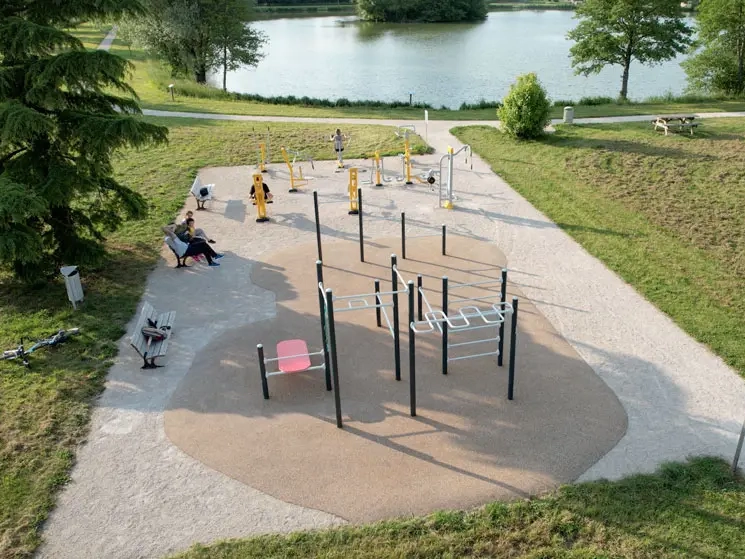
Street workout is often practiced in equipped parks, but these facilities are not always designed with women in mind:
- Some structures are too high or not accessible enough for beginners.
- Lack of suitable equipment (height-adjustable bars, strength-training bars) can slow progress.
- The absence of changing rooms or dedicated areas can make the practice more complicated for some women.
It is essential that municipalities and event organizers take these needs into account to encourage diversity in this discipline.
How can we promote street workout among women?
To democratize women’s street workout, several actions can be taken to encourage more women to discover and adopt this discipline.
Educational initiatives and workshops
Offering women-only initiation sessions and courses is an excellent way of promoting their integration.
- Creation of women’s bootcamps: events where experienced athletes coach beginners.
- Specific progression workshops: Learn the basics (pull-ups, dips, sheathing) in a supportive environment.
- Interventions in schools and universities: raising young girls’ awareness of the benefits of street workout.
The role of social networks and influencers
Social networks have played a crucial role in the growth of women’s street workout and will continue to be a powerful lever for reaching a wider audience.
- Encourage female content creators: the more women who share their progress and journey, the more the discipline will attract new practitioners.
- Promoting success stories: Highlighting testimonials from women who have succeeded in transforming their bodies and minds through street workout.
- Organize online challenges: progress challenges (first pull, improving static figures) to motivate beginners to train regularly.
Towards the complete democratization of women’s street workout?
If these challenges are met, women’s street workout could expand even further. By giving more visibility to female athletes, by improving the accessibility of infrastructures. By developing initiatives to encourage practice, this sport could become a true symbol of emancipation and self-improvement for women the world over.
Summary
Women’s street workout still has obstacles to overcome, particularly in terms of visibility and accessible infrastructures. However, thanks to educational initiatives, social networking and efforts to democratize the discipline, more and more women could join this growing community. With the right levers, women’s street workout has all the potential to become a major sports movement.
LET’S TALK ABOUT YOUR PROJECT