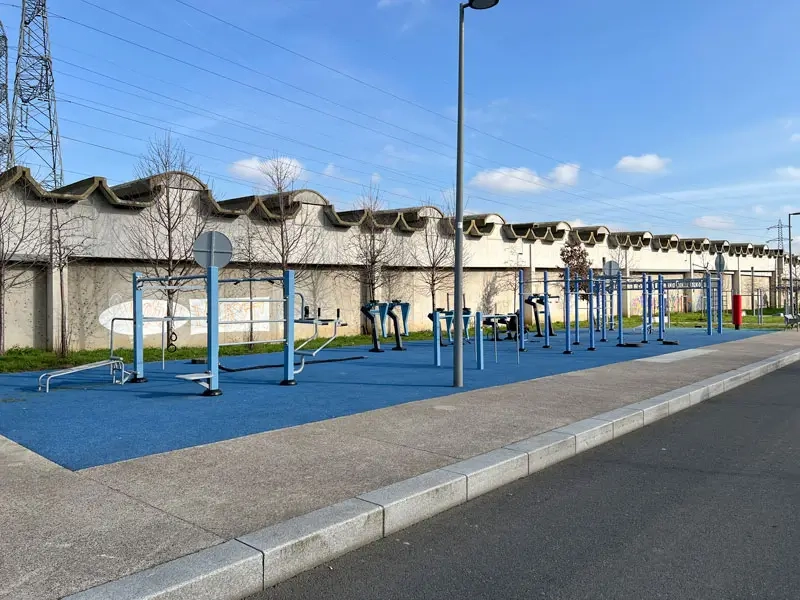

In a context where a sedentary lifestyle has an impact on the physical, mental and social health of the people we support, the MAS sports area is a concrete lever for the residents’ life project and the teams’ quality of life at work. Designed as an inclusive outdoor space, this facility promotes adapted physical activity (APA), supports autonomy and energizes institutional life, while enhancing the establishment’s image in the eyes of families and partners (ARS, local authorities, sponsors).
For MAS and FAM managers, the challenge is not simply to install equipment. It’s about structuring a sustainable, safe and accessible activity offer, integrated with care, education, rehabilitation and entertainment. This guide, designed for managers, assistant managers, healthcare executives and coordinators, presents operational benefits, design keys, standards and best practices, budgets and financing options, as well as feedback from the field. We will include a testimonial from the director of the MAS La Sourceto illustrate in concrete terms the impact of an MAS sports area on the daily lives of residents and professionals.
In a context where a sedentary lifestyle has an impact on the physical, mental and social health of the people we support, the MAS sports area is a concrete lever for the residents’ life project and the teams’ quality of life at work. Designed as an inclusive outdoor space, this facility promotes adapted physical activity (APA), supports autonomy and energizes institutional life, while enhancing the establishment’s image in the eyes of families and partners (ARS, local authorities, sponsors).
For MAS and FAM managers, the challenge is not just to install equipment. The aim is to structure a sustainable, safe and accessible range of activities, integrated with care, education, rehabilitation and entertainment. This guide, designed for managers, assistant managers, healthcare executives and coordinators, presents operational benefits, design keys and feedback from the field. We’ll include a testimonial from the director of MAS La Source, to give a concrete illustration of the impact of a sports area in MAS on the daily lives of residents and professionals.
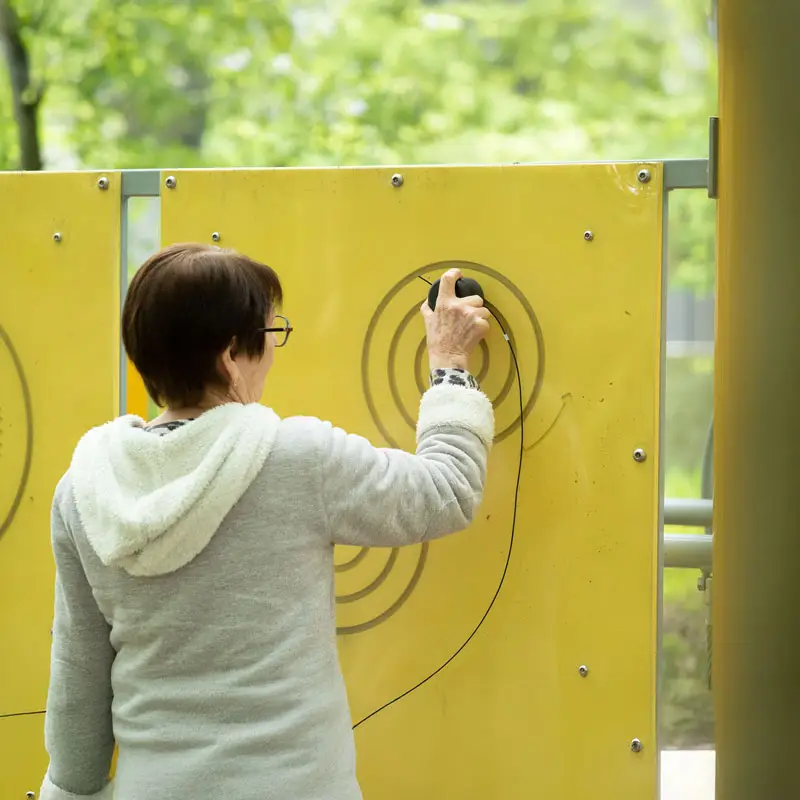
What is a MAS sports area?
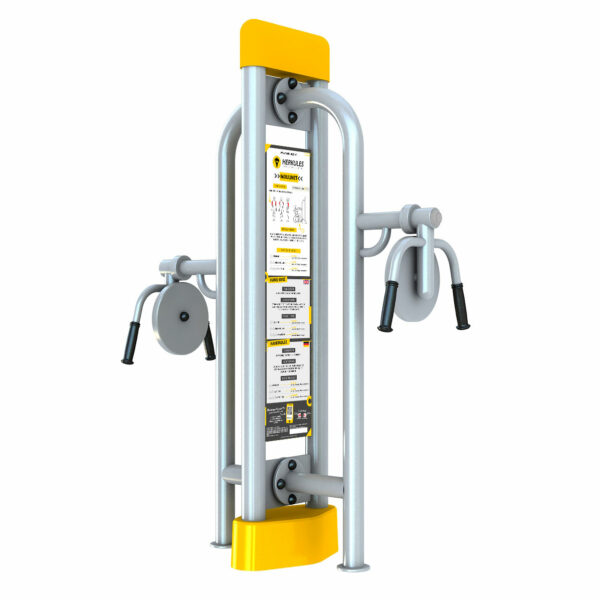
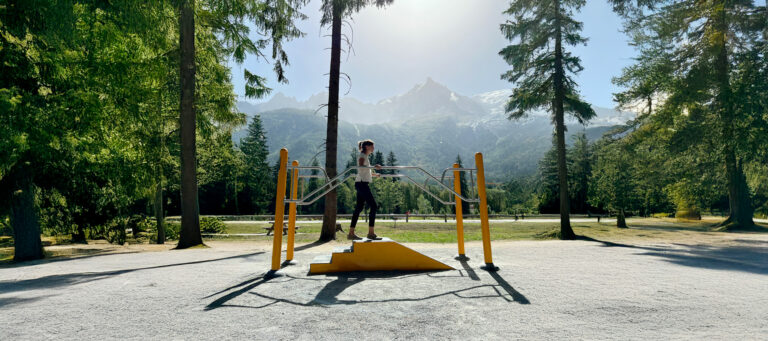
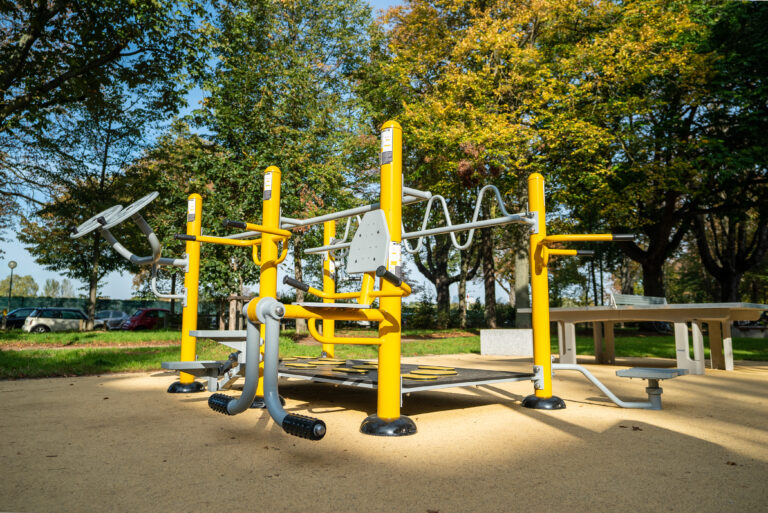
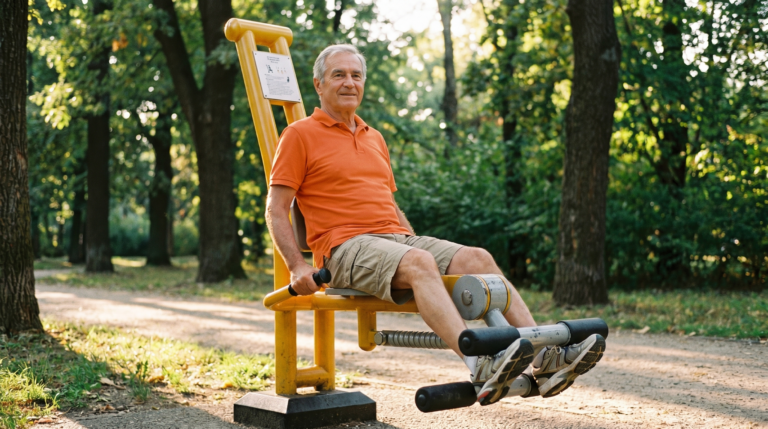
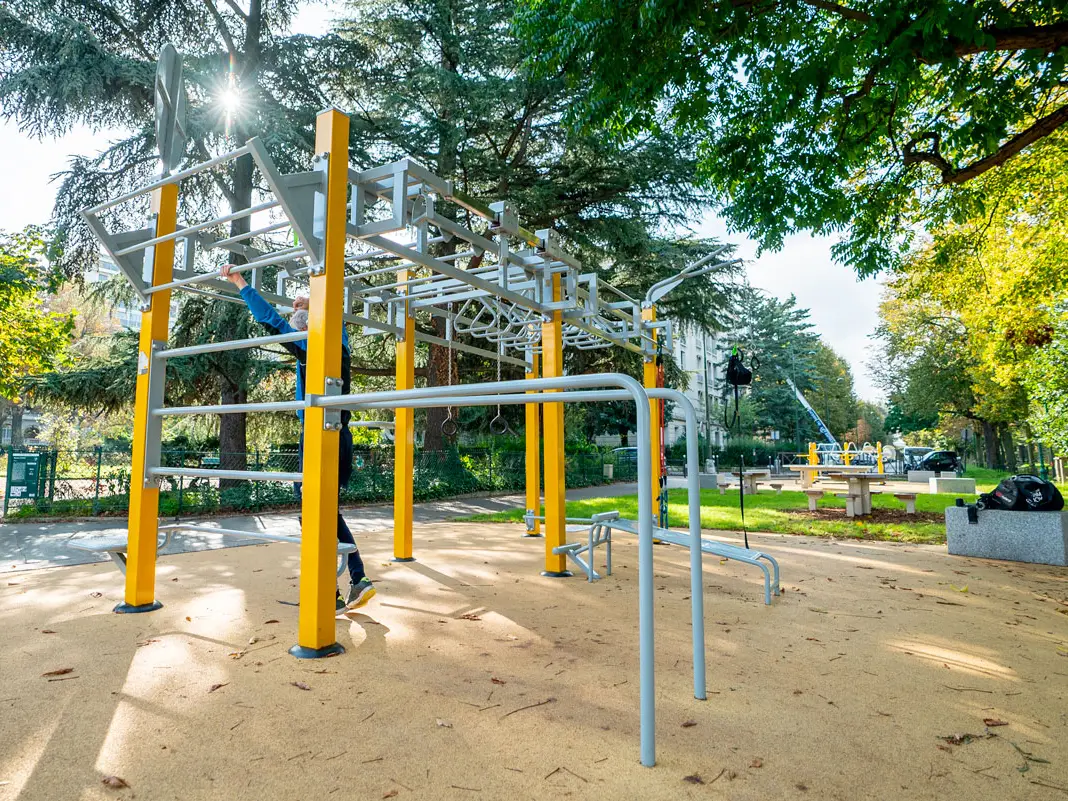
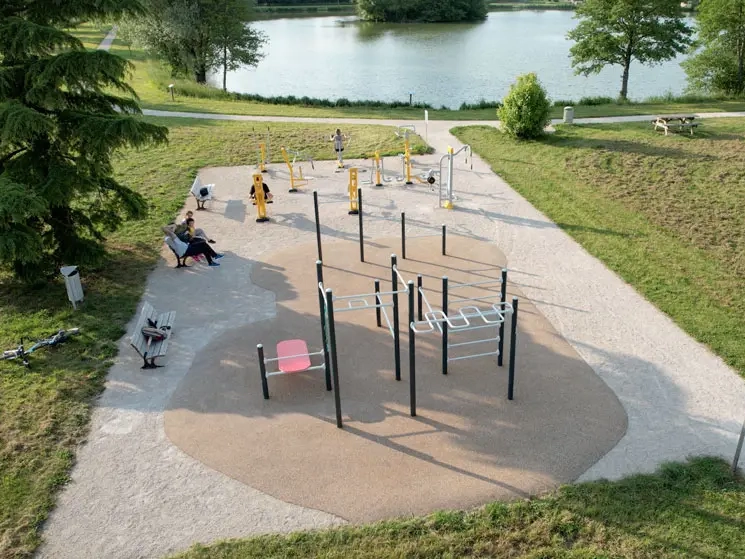
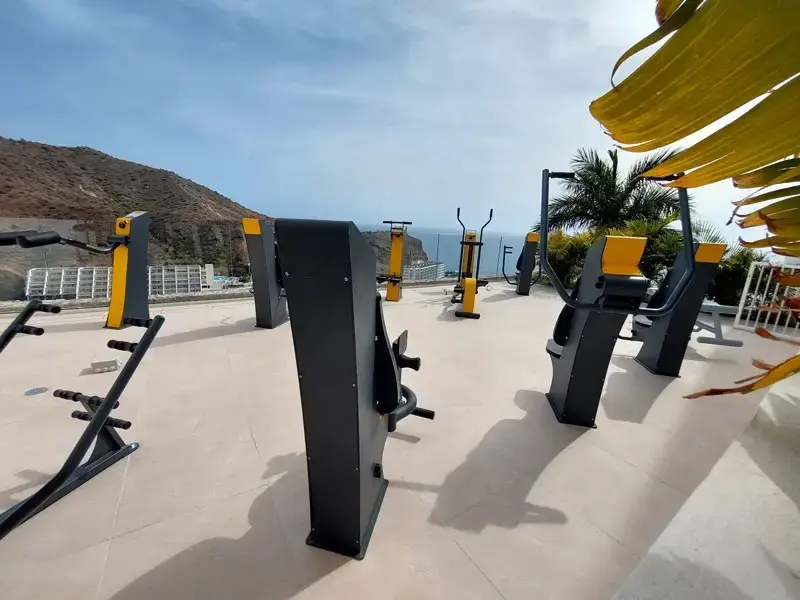
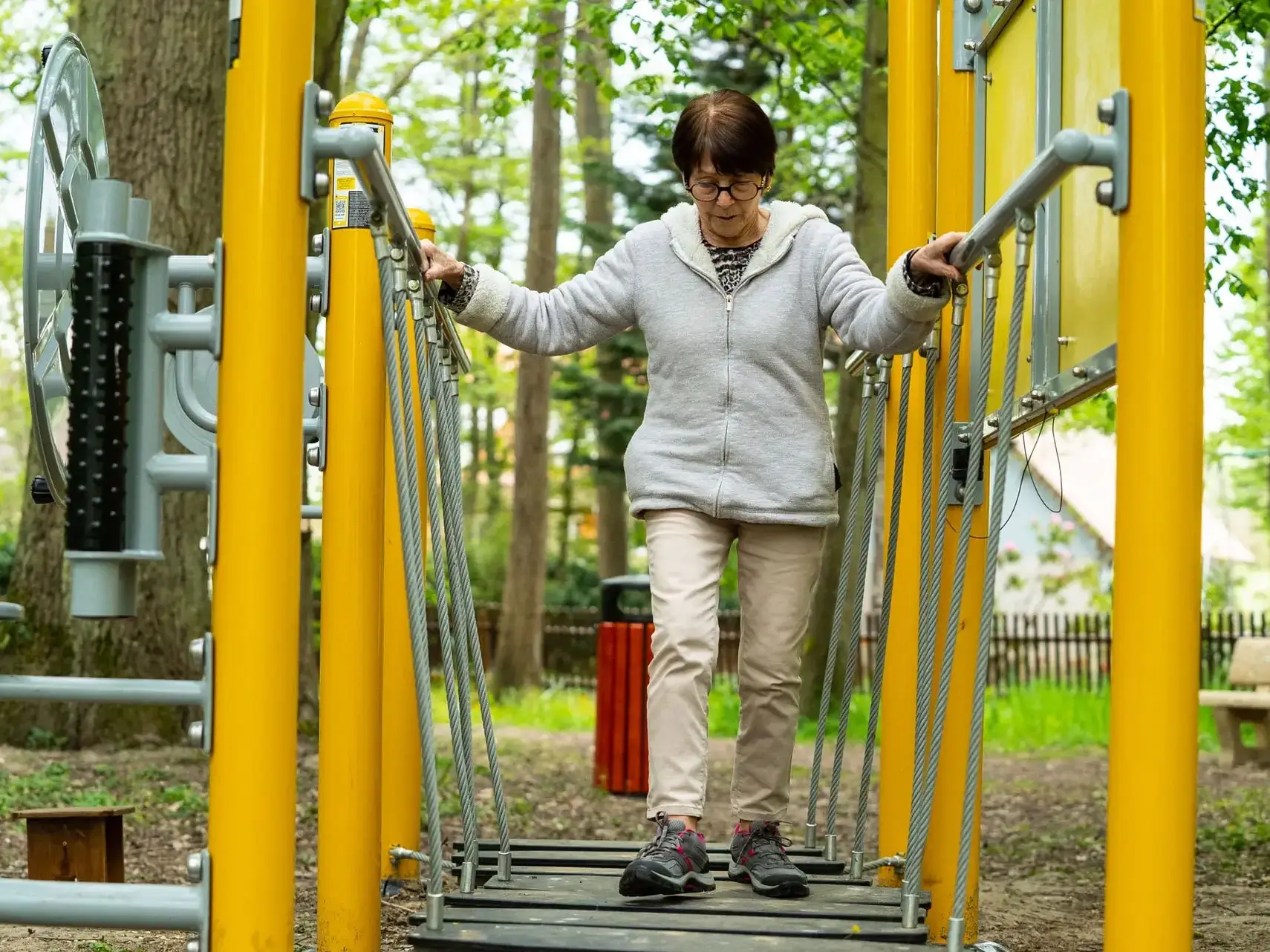
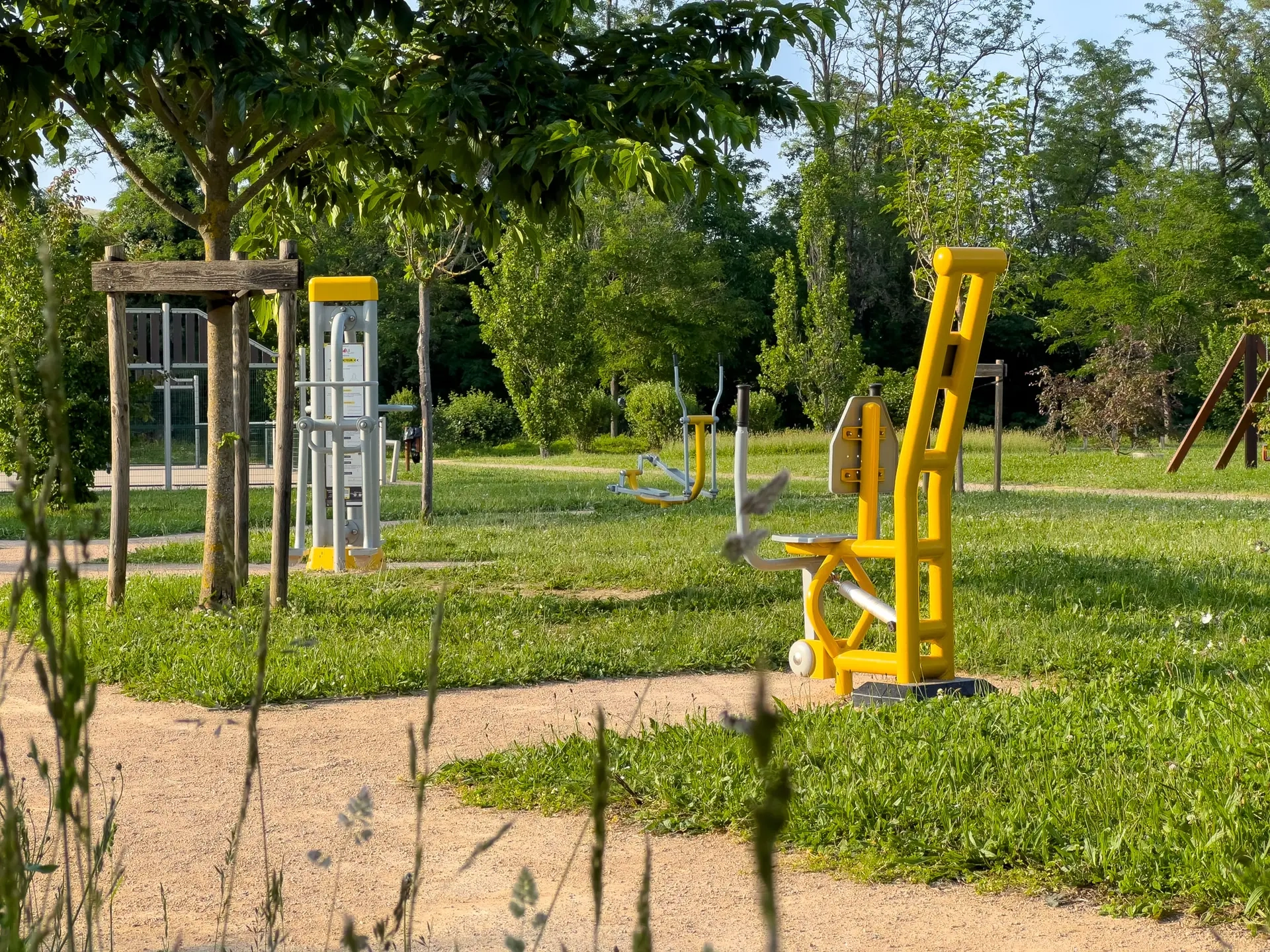
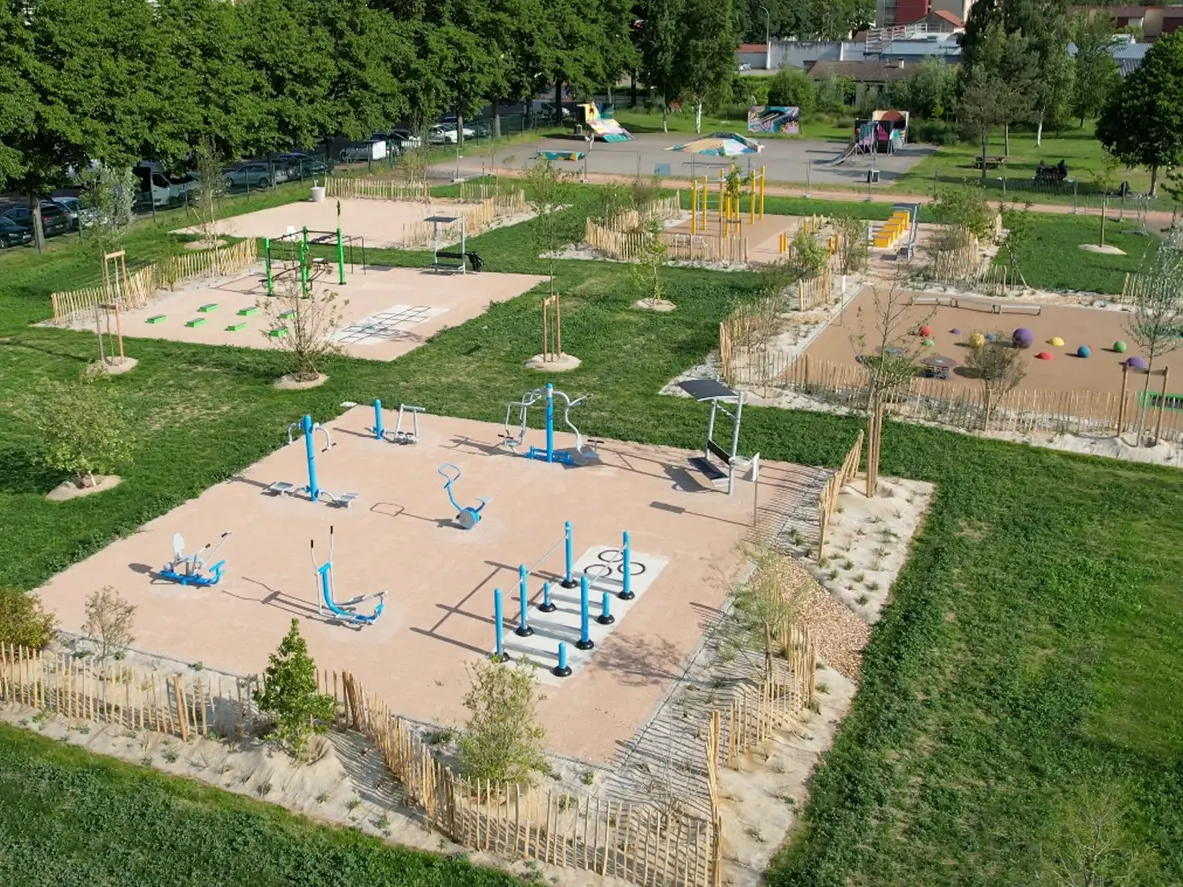
A MAS sports area is an outdoor space fitted out with adapted fitness equipment(including PRM equipment), enabling sessions to be carried out independently with the assistance of a supervisor (APA, educators, occupational therapists). The aim is to provide accessible, progressive and safe exercise for people with varying levels of autonomy.
Key features :
- Universal accessibility: adapted heights, transfer zones, stabilized paths, resting seats, clear signage.
- Safety & durability: resistant materials (e.g. 316L stainless steel), anti-slip coatings, anti-pinch devices, simplified maintenance.
- Modularity: combine gentle cardio equipment, mobility/stretching, light strengthening, coordination/balance.
- Landscaping: shaded areas, proximity to living areas, visibility for supervisors, aesthetic appeal.
Examples of adapted equipment MAS/FAM :
- Gentle cardio: bike, elliptical, rowing machine.
- Joint mobility: Taie Chi wheels, twister.
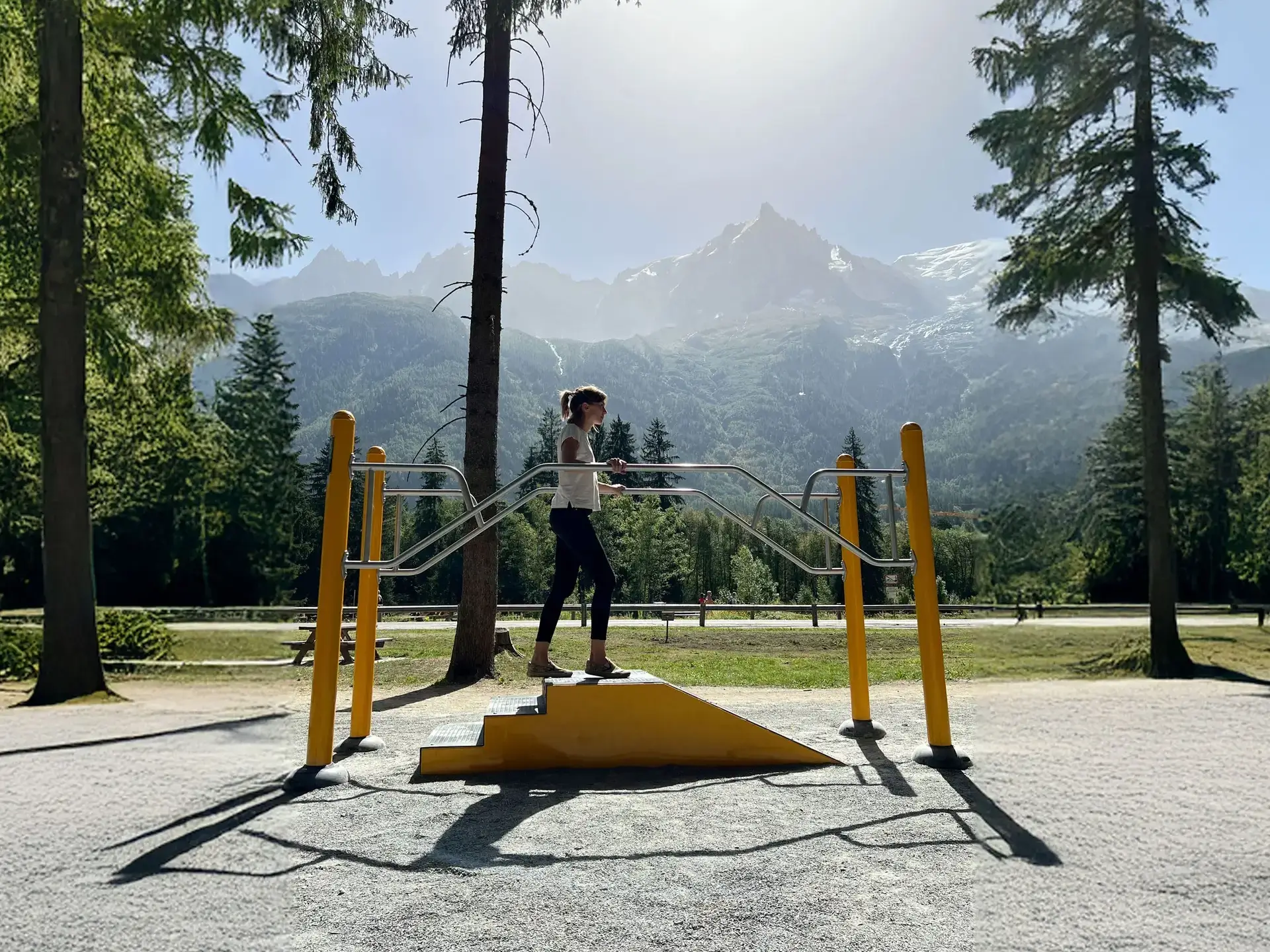
- Light strengthening: leg lift, stepper.
Purpose: a cross-disciplinary activity space for care, education and entertainment, designed to last and be integrated into the facility’s project.
The benefits of a sports area in MAS: a global lever
Designed to promote safe movement and inclusion, the MAS sports area acts on several levels-from the resident to the institution-and becomes a genuine strategic tool for facility management. The benefits below are presented from an operational angle, to help decision-makers objectify the impacts and integrate them into the facility project.
Physical benefits: functional autonomy and prevention
Improve motor skills, balance and coordination.
Guided exercises provide regular training in proprioception and stability, the key to safe daily movement.
Prevention of falls and musculoskeletal disorders.
Gentle strengthening exercises (leg press, stepper) andrange-of-motion workshops reduce stiffness and postural compensations. In the medium term, this often translates into fewer incidents of imbalance during transfers.
Maintain independence and stimulate physical capacities.
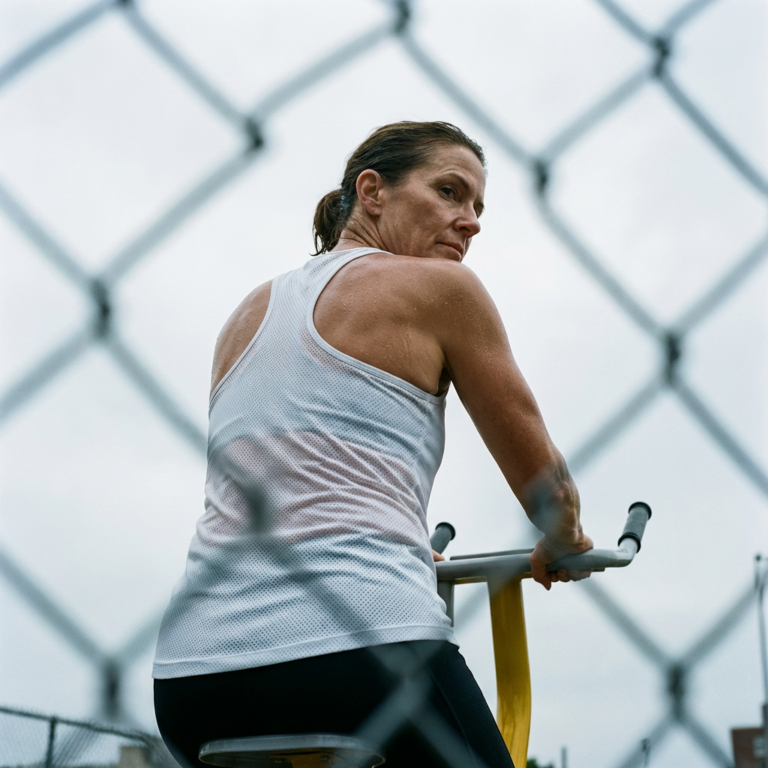
Short, frequent formats (10-20 min, 2 to 4 times/week) maintain endurance, light strength and flexibility. This is particularly useful for preserving functional skills, such as getting up, walking a few metres and transferring from one place to another with partial rather than total assistance.
LET’S TALK ABOUT YOUR PROJECT
Let us support you
Simple monitoring indicators for management :
- Number of sessions/resident/week and participation rate.
- Internal walking confidence scale (e.g. 0-5).
- Unsupported standing time (progression over 8-12 weeks).
- Number of imbalance incidents reported (quarterly trend).
Emotional and psychological benefits: a boost to self-esteem and peace of mind
Self-esteem and self-worth through movement.
Successful completion of adapted exercises reinforces the feeling of ability. The MAS sports area offers accessible, measurable and rewarding objectives (course completed, repetitions acquired), which structure progress.
Reduced stress and anxiety.
Outdoor physical activity promotes emotional regulation andcalming, especially when workshops include guided breathing or a return to calm (2-3 minutes).
A sense of freedom and enjoyment in the great outdoors.
The simple act of using an outdoor space breaks the routine, improves mood and contributes to a higher perceived quality of life.
Indicators to objectify these effects :
- Post-session self-assessment of well-being (smiley/0-10 scale).
- Voluntary participation in workshops (vs. supervised sessions).
- Qualitative feedback recorded by professionals (workshop diary).
Social and collective benefits: bonding, inclusion and team dynamics
Activities shared between residents, educators and families.
Sessions in pairs or small groups create moments of shared success. Families can be involved in dedicated time slots, reinforcing theopenness of the MAS.
Reinforcing social and intergenerational links.
The sports area becomes a place of exchange: people encourage each other, make progress together, ritualize weekly get-togethers.
Spaces for exchanges between professionals and beneficiaries.
It is also a medium for non-verbal communication (gestures, rhythm, eye contact), facilitating educational or therapeutic mediation.
Indicators useful for governance :
- Number of group workshops/month and diversity of audiences involved (families, volunteers).
- Team satisfaction rate (short internal barometer).
- Number of “open house” events involving the area.

Institutional benefits: image, management and attractiveness
Positive image of the facility.
A visible, well-integrated and secure MAS sports area enhances credibility with families, supervisors and partners (ARS, local authorities, foundations). It is a concrete illustration of the ambition of a facility focused on the life project.
Therapeutic mediation and animation tool.
For management, it’s a steering tool: workshop programming, multidisciplinary involvement (APA, occupational therapy, educators, physiotherapists), formalization of session sheets and simple progression grids.
Enhancing the value of the facility’s project in the eyes of funders.
Structuring a measurable program of activities makes it easier to apply for funding (calls for projects, sponsorship). The rationale is based on: health benefits, quality of life, measurable impact and sustainability of equipment.
Institutional steering indicators :
- Number of workshops scheduled vs. completed (completion rate).
- Rate of team training/awareness-raising on the use of equipment.
- Maintenance costs vs. utilization rate (cost/usage reading).
- Evidence for annual reports and external evaluations (photos, testimonials, summary figures).
Testimonial from MAS La Source: a sports area that changes daily life
At the heart of its establishment project, MAS La Source places the well-being and motor stimulation of its residents at the heart of its mission. Set in verdant surroundings, this facility welcomes adults with multiple disabilities and Huntington’s disease, with varying levels of autonomy.
The multidisciplinary team works daily to maintain residents’ physical and cognitive capacities, while encouraging their social participation through adapted and inclusive activities.
A strong commitment to making movement accessible to all
With this in mind, the management of MAS La Source wanted to diversify the range of physical activities on offer at the facility. The aim is to give all residents, whatever their level of autonomy, access to regular, safe and rewarding physical activity.
“Our approach was part of a desire to diversify the range of activities offered to residents, by giving them easier access to a suitable sports facility.”
– Management of MAS La Source
This has led to the installation of a sports area in the MAS, equipped with Herkulesoutdoor fitness equipment designed to adapt to different motor and cognitive profiles.
Simple, regular and inclusive use
Residents now use the facilities on a weekly basis, sometimes independently, sometimes under the supervision of educational staff or healthcare professionals.
This direct accessibility, within the facility’s grounds, is seen as a major asset: it eliminates the logistical constraints associated with outdoor outings and makes physical activity immediately available.
“The immediate accessibility of the facilities is a real asset, as it allows us to offer regular physical activity times without the need to travel outside, which is often complex to organize.”
Sessions take place in small groups or in pairs, according to each person’s abilities and desires. The atmosphere is friendly and dynamic, and each resident can find a rhythm that suits him or her.
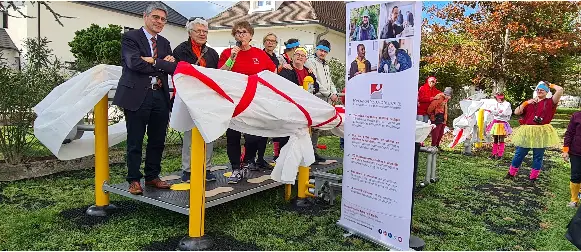
Concrete benefits for residents and teams
The effects observed are very encouraging.
For people with Huntington’s disease, in particular, the practice of adapted physical exercise has revived the pleasure of movement and reconnected with sensations experienced before the onset of the disease. These sessions help to boost motivation, self-esteem and overall well-being.
“We have observed very positive effects, particularly in people with Huntington’s disease. Being able to reconnect with an adapted form of physical exercise helps boost their motivation, self-esteem and overall well-being.”
Positive feedback has been unanimous – from supervisory staff, families and, of course, the residents themselves. The sports area has created a positive collective dynamic, which is seen as a real plus in the daily life of the institution.
“The feedback has been very positive, both from staff and families. Everyone appreciates the presence of this structure, which brings real added value to the residents’ daily lives and contributes to a positive dynamic within the establishment.”
A clear recommendation
The management of MAS La Source has no hesitation in recommending Herkules outdoor fitness equipment.
This equipment is perceived as simple, robust and truly adapted to the needs of the public it serves.
It enables physical activity, well-being, autonomy and inclusion to be reconciled within the establishment.
“Yes, we highly recommend Herkules outdoor fitness equipment. They are a simple, accessible and adapted tool, promoting physical activity, well-being and inclusion for people with disabilities.”
👉 Read MAS La Source’s article on our fixtures!
How do you design a sports area adapted to disabled people?
The success of anMAS sports area project hinges on one essential principle: design the space to suit the users.
Residents have a wide range of needs – motor, cognitive or sensory – and the layout must guarantee accessibility, safety and pleasure of use.
Designing an adapted area therefore involves much more than simply installing equipment: it means creating a therapeutic and inclusive environment, integrated into the daily life of the establishment.
The importance of personalized support
The design of a MAS sports area must be based on collaborative work between :
- management (project leader and guarantor of corporate objectives),
- healthcare and medical-social professionals (occupational therapists, physiotherapists, APA educators),
- the specialized service provider, capable of proposing technical solutions in line with the needs of the target audience.
This joint work enables :
- Identify priority uses (mobility, coordination, light reinforcement, relaxation).
- Choosing the right equipment for each level of autonomy.
- Define a clear progression path (from discovery to regular practice).
- Guaranteeing maximum safety at every stage of the project.
💡 Management tip: integrate the design of the sports area into the facility project or continuous improvement plan (PAQSS, social project, evaluation report). This strengthens consistency and facilitates financing.

Accessibility standards and criteria
A sports area in a MAS must be designed for all mobility profiles, whether for residents in wheelchairs, semi-handicapped people or accompanied participants.
Here are the main technical elements to consider:
✅ Physical accessibility
- Stabilized walkways: no steps, slope less than 5%.
- Transfer zones around each piece of equipment (minimum 1.50 m).
- Non-slip, non-injurious surface.
- Seat heights adapted for wheelchair transfers (45 to 50 cm).
- Inclusive signage: clear pictograms, instructions in simplified language, sharp visual contrasts.
✅ Safety and comfort
- Fluid-motion devices with moderate resistance.
- No sharp corners or pinch points.
- Durable, weather-resistant materials (316L stainless steel, protected screws).
- Possibility of adding grab bars or posture aids.
✅ Ergonomics and legibility
- Instructions should be visual and progressive (examples of gestures, arrows, smileys).
- The design of the space must encourage autonomy: a resident understands how to use the equipment without the need for lengthy accompaniment.
- A rest area (benches, shade, water) must be provided for comfort and recovery.
Conclusion: giving movement back to institutional life
Installing a sports area in a MAS is much more than adding outdoor equipment: it’s adding a new dimension to the residents’ life project.
It’s creating a space where movement becomes possible, accessible and a source of pleasure. A place where everyone, whatever their level of autonomy, can rediscover physical sensations, share a collective moment and reappropriate their body in a caring environment.
Over and above the physical and psychological benefits, this approach has a strong institutional value. It reflects management’s determination to place health, participation and dignity at the heart of daily life. A sports area in the MAS thus becomes a concrete symbol of the establishment’s commitment to its residents, teams and partners.
Feedback from the field, such as that from MAS La Source, shows the extent to which these installations can transform the dynamic of a facility: teams become more mobilized, residents more involved, families participate, and the general atmosphere gains in energy and cohesion.
At Herkules Fitness, we believe deeply in the value of inclusive movement.
Our adapted outdoor fitness equipment is designed to last, to bring people together and to inspire.
Each project is accompanied by tailor-made support – from advice to maintenance – to ensure that your facility has a sustainable, safe MAS sports area that is truly adapted to your audience.
👉 Contact Herkules Fitness to design your MAS sports area and make well-being a lasting pillar of your facility project.