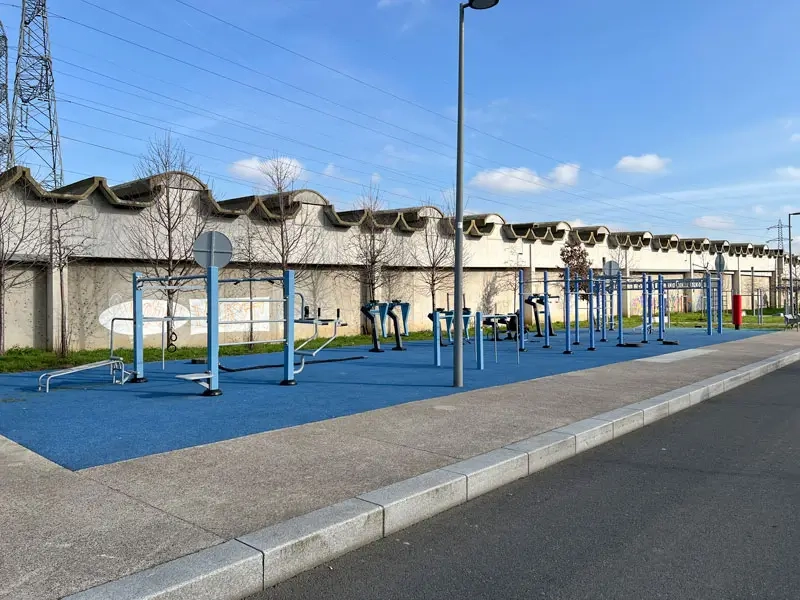

Throwing a sports area in your area not only offers a wide range of sporting opportunities, but also has a direct impact on community well-being. However, moving from idea to realization often requires substantial funding. Finding the right financing solutions is therefore essential. Knowing where to look, what steps to take and how to optimize your funding application will multiply your chances of success. This structured guide takes you through each stage of financing a sports facility.

Key takeaways:
- The financing of a sports area relies on a multi-source structure: public subsidies, self-financing and private partners.
- Local authorities (communes, départements, regions) and the Frenchgovernment are the main levers through targeted calls for projects.
- A well-structured, costed and locally-anchored application greatly increases the chances of obtaining funding.
- Combining several compatible subsidies reduces the financial effort and secures the project.
- Post-financing monitoring and reporting are essential to give the structure credibility and facilitate future support.
The main sources of public subsidies
The financing of a sports area project relies to a large extent on access to various public subsidies. These subsidies considerably reduce the amount of self-financing required by project owners. Public authorities encourage the creation and renovation ofoutdoor sports facilities through schemes tailored to local needs.
By regularly consulting the calls for projects launched by local authorities or the French government, you can seize targeted opportunities. Each type of assistance has its own criteria, deadlines and specific features. Keeping yourself informed maximizes the success of your fund-raising efforts.
What is the role of regional financing?
Regions, départements and municipalities are actively involved inlocal sports investment. Territorial funding often takes the form of direct subsidies for the construction or modernization of multi-sports facilities. This support varies according to the strategies of each local authority: priority to disadvantaged neighborhoods, sustainable development objectives, promotion of sports for all.
Working with your local council makes it easier to identify existing schemes. Some also offer technical support to help you put together an effective application. The more your project fits in with their strategic priorities, the more likely it is to attract their attention.
What is specialized government aid?
The French government, through the Ministry of Sports and the National Sports Agency, offers subsidy schemes dedicated to financing sports facilities. The Fonds d’intervention pour la requalification des équipements and nationalsports investment plans allocate funds to encourage outdoor physical activity. Priority given to territorial coverage, facility safety and universal accessibility.
Building a project that responds to today’s challenges – the fight against sedentary lifestyles, intergenerational sharing, ecological transition – increases your chances in the national evaluation. Specify how manysports associations will benefit from the facility and detail the expected impact on the local fabric in your application.
Strategies and milestones for securing financing
Between targeting the right subsidies and rigorously compiling your application, there are several stages on the road to financial success for your sports facility. Thinking about these actions right from the start of the project avoids dead-ends and speeds up the process of obtaining financial support.
A structured methodology is required: a precise budget analysis, identification of the site’s potential, an inventory of user needs, and then the drafting of a solid business case, backed up by objective data and testimonials from stakeholders.
How do you put together a convincing application?
An effective grant application is based on the precision of the project, its local roots and its ability to demonstrate concrete benefits for the population. Clearly present the identified needs and a detailed provisional budget.
Please enclose :
- A complete technical description of the future equipment
- Letters of support fromlocal sports associations
- A financing plan with different scenarios
- Photographs, plans and perspectives of the development
- Proof of land ownership or control
Make sure your dossier is graphically and narratively coherent. Rely onregulatory references and demonstrate a realistic timetable to reassure funders.
Which types of intervention funds should be targeted first?
There are a number of funds available to help boost local development through sport. In addition to national structures, target one-off regional funds or those run by federations if your project involves affiliated disciplines.
Compare key features :
| Type of fund | Range | Possible financing rates | Main target |
| National fund | National | 40-60 % | Major inclusive projects |
| Regional fund | Regional | 20-40 % | Targeted local projects |
| Federal program | Specific sport | Up to 30% off | Federated discipline only |
Coupling several secondary aids is sometimes the best combination for reaching the target amount without excessive delays.
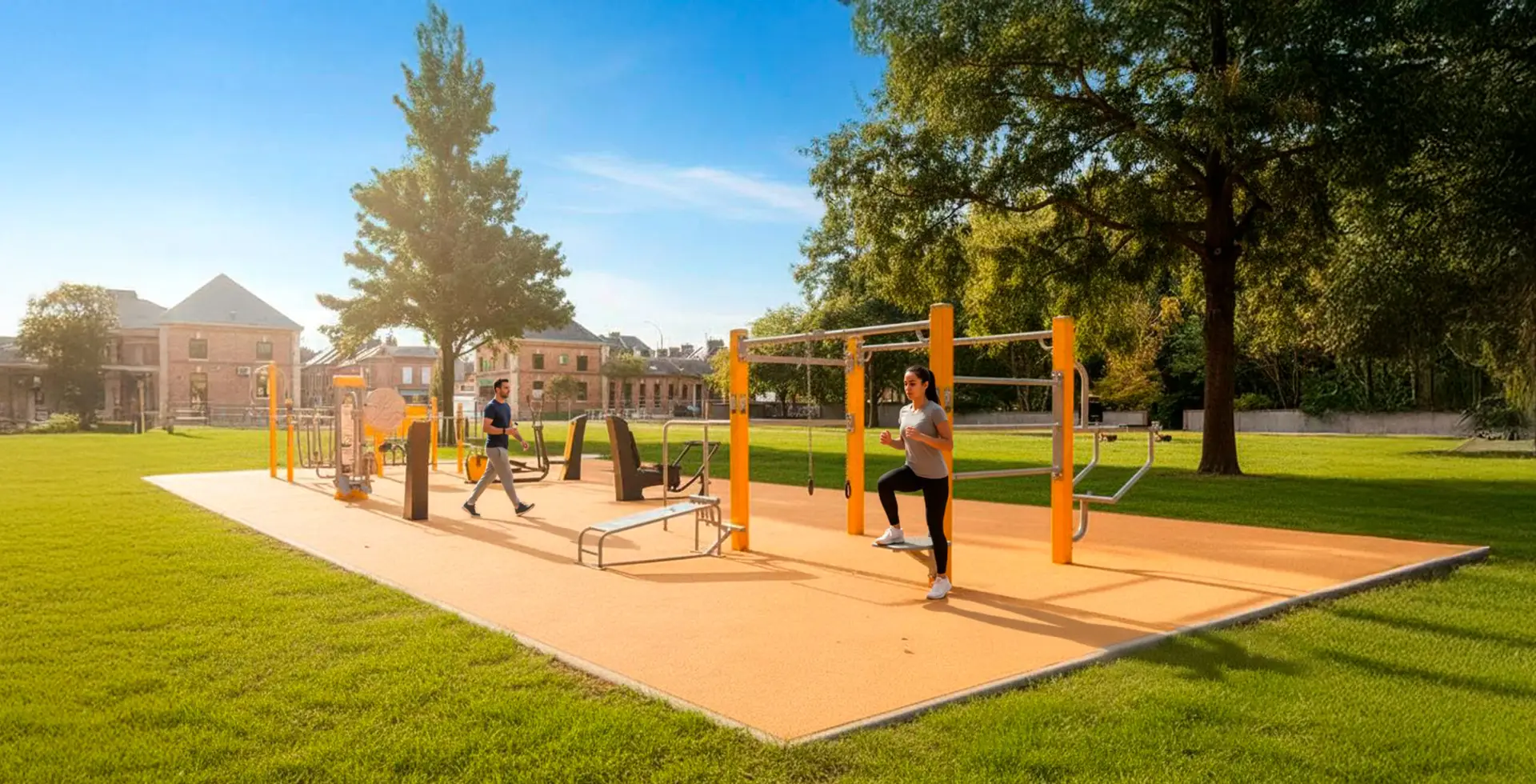
Diversifying options for financing sports facilities
In addition to traditional subsidies, consider enlisting the support of private partners and local sponsors, and launching participatory funding campaigns. These resources are not a substitute for public funding, but are an effective complement to a tight budget.
Calls for projects from foundations or specialized organizations can help, particularly for innovative developments (inclusive trail, connected space). Always tailor your arguments to the mission of each structure, and spell out the expected benefits for the city and its residents.
What role should sports associations play in the search for funding?
When sports associations are project sponsors or partners, their involvement plays a decisive role. They signal local mobilization, contribute their expertise and reinforce the collective dimension of the project.
They can also access specific funding reserved for the associative sector, such as certain prefectoral schemes promoting sport for all or women’s participation. Their network is also used to disseminate information to the general public when financial support operations are launched.
Why is the follow-up phase of sports investments so important?
Good project management doesn’t end with the receipt of subsidies : regular reporting enables you to monitor the use of funds received, completion times and user satisfaction. Qualitative feedback enhances the structure’s standing in the eyes of financial backers for future calls for projects.
A commitment to continuous improvement opens the way to new technical and financial support, whether for extending equipment or improving accessibility.
Frequently asked questions about financing a sports facility
What are the essential steps for responding to a call for projects?
To apply for a call for projects, start by carefully reading the specifications and identifying the eligibility criteria. Then prepare your application, detailing the local interest, the estimated budget and the technical details. Add supporting documents such as certificates, photos and a provisional schedule.
- Anchoring the project in the local context
- Strict adherence to delivery deadlines
- Anticipate and respond to any additional requests
Do public subsidies cover the entire budget?
Rarely. Public subsidies generally cover part of the overall cost. A mixed financing plan should therefore be drawn up, including self-financing, private contributions and other complementary institutional support.
- Coverage rates vary by device
- Personal contribution and partnerships strongly recommended
| Source | Average share (%) |
| Public subsidy | 40 à 65 |
| Self-financing | 15 à 35 |
| Private partnerships | Up to 25 |
What tips do you have for effectively applying for regional intervention funds?
Contact the local authority directly to present your project. Adapt your pitch to the local master plan and prepare a clear presentation with figures. Always keep a record of your exchanges to build a relationship of trust and keep abreast of future opportunities.
- Highlighting innovation and social relevance
- Regular monitoring of decision-making committee schedules
Is it possible to combine several grants for the same sports investment?
Yes, it is usually permissible to combine subsidies from different sources (local authorities, the State, the private sector) as long as they do not exceed the maximum rate of public aid authorized. This optimizes the financial package and reduces dependence on a single source.
- Check the compatibility of each device’s regulations
- Consolidate supporting documents for each level of financing
- Negotiate tripartite agreements where necessary