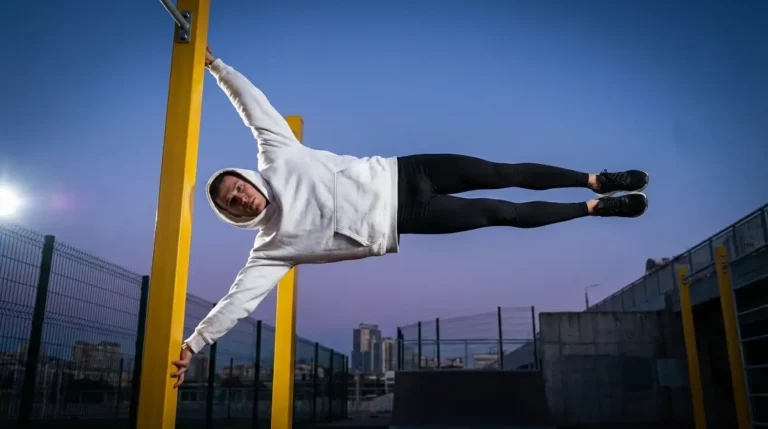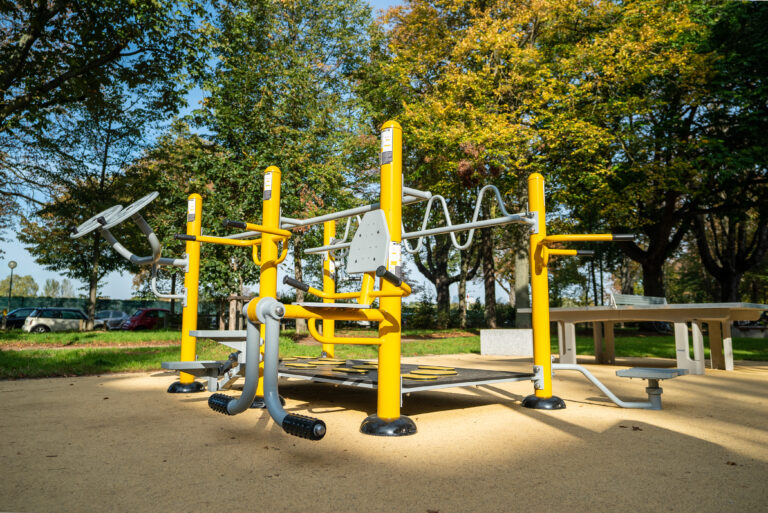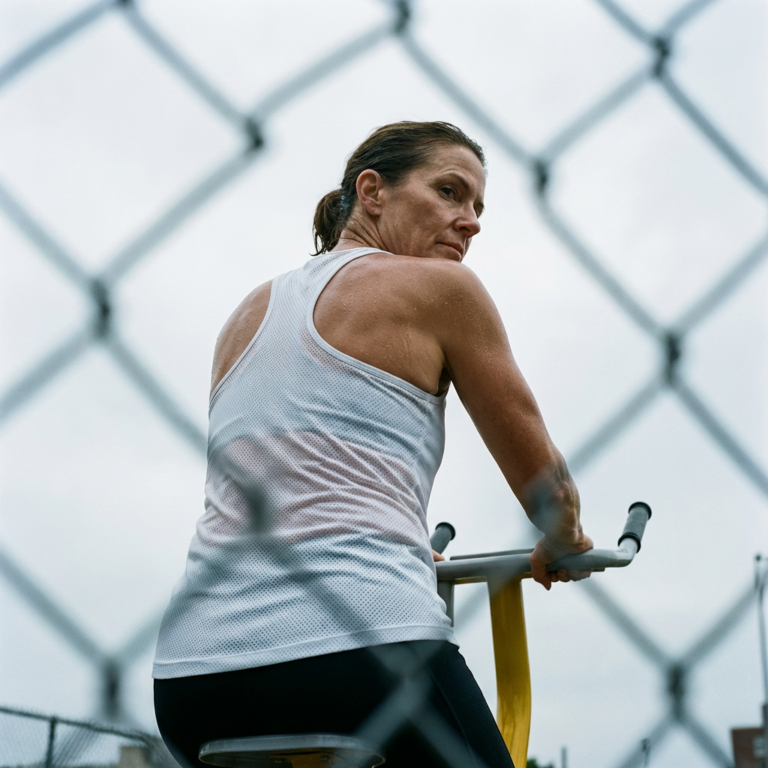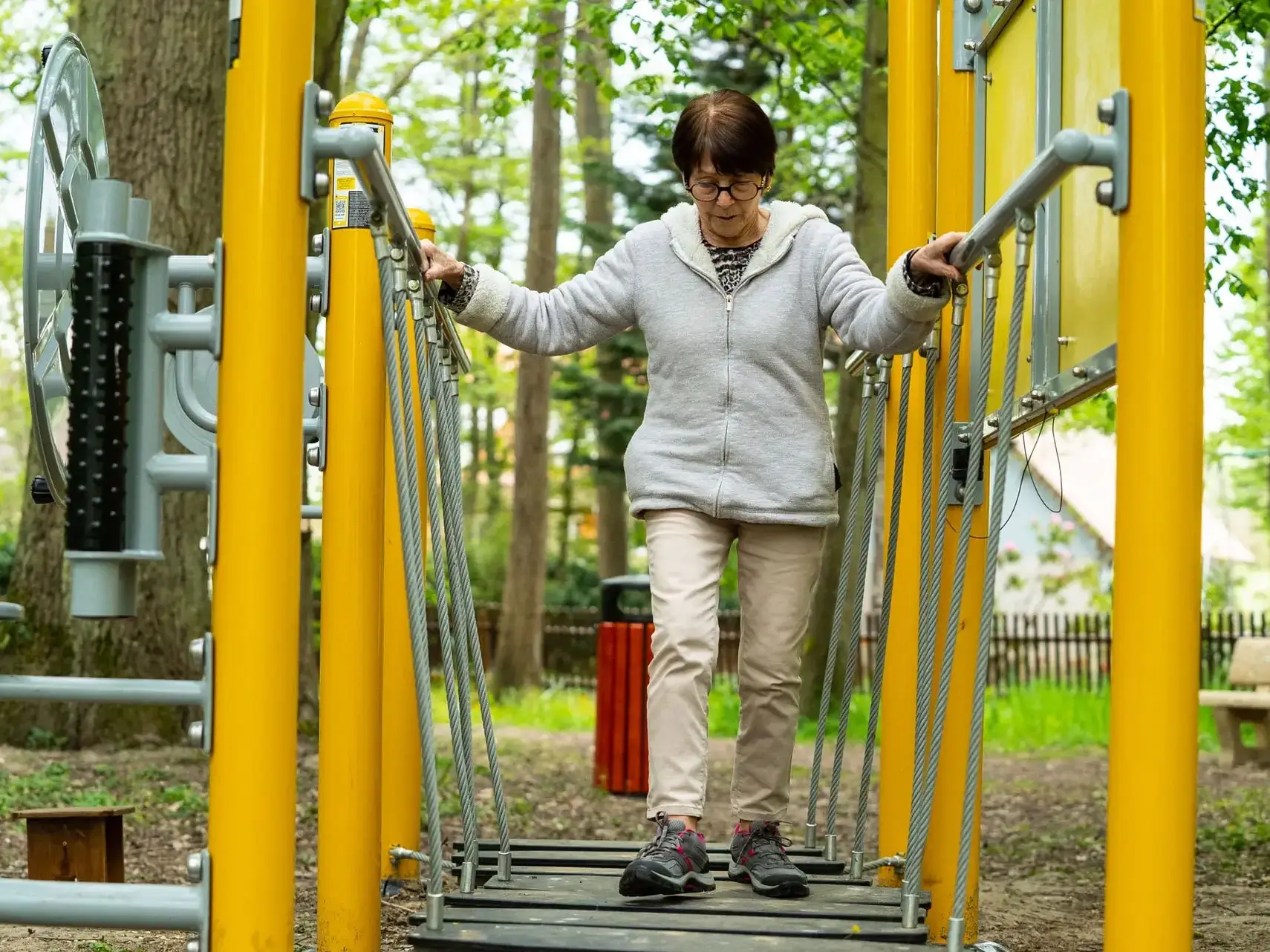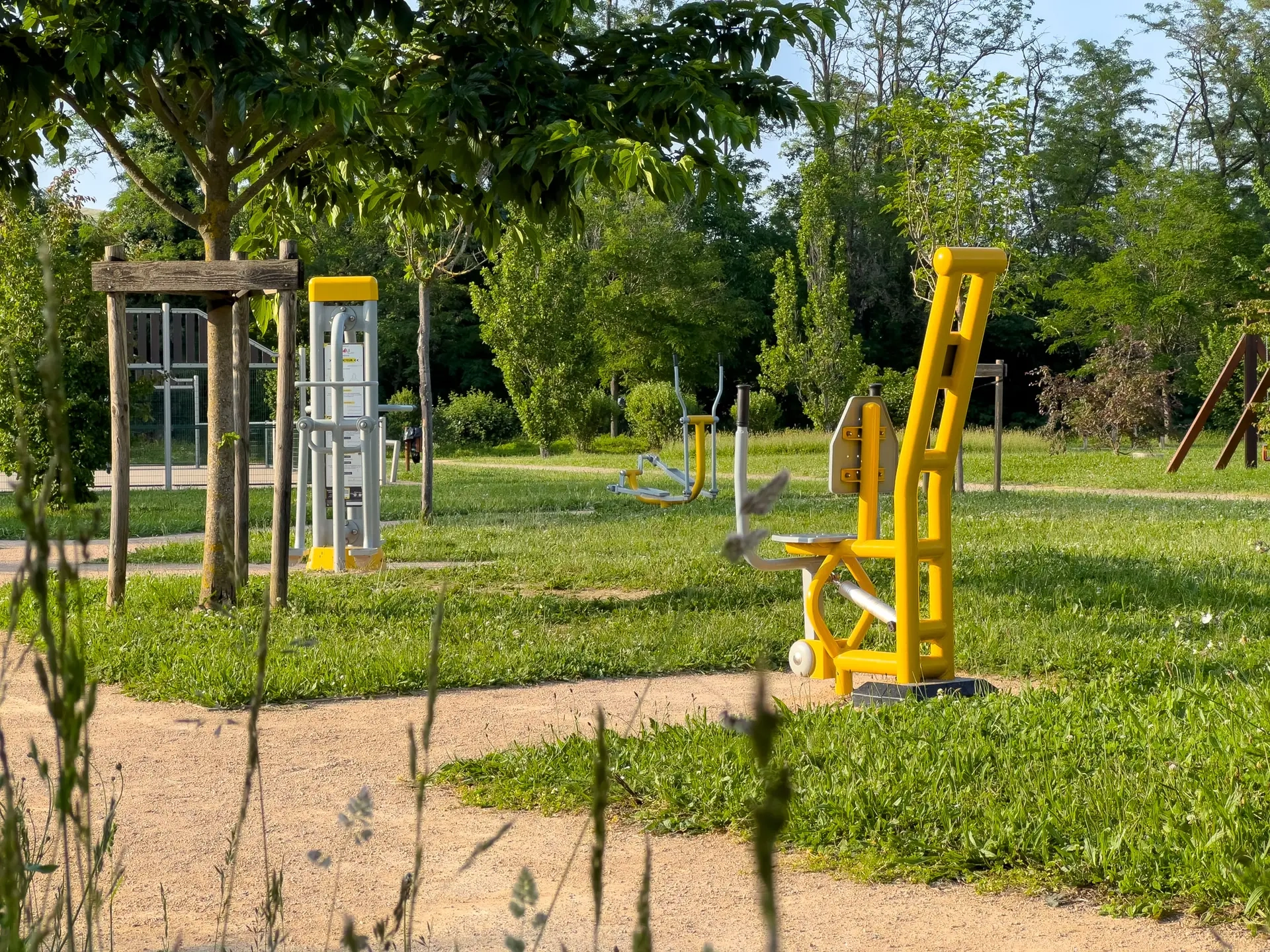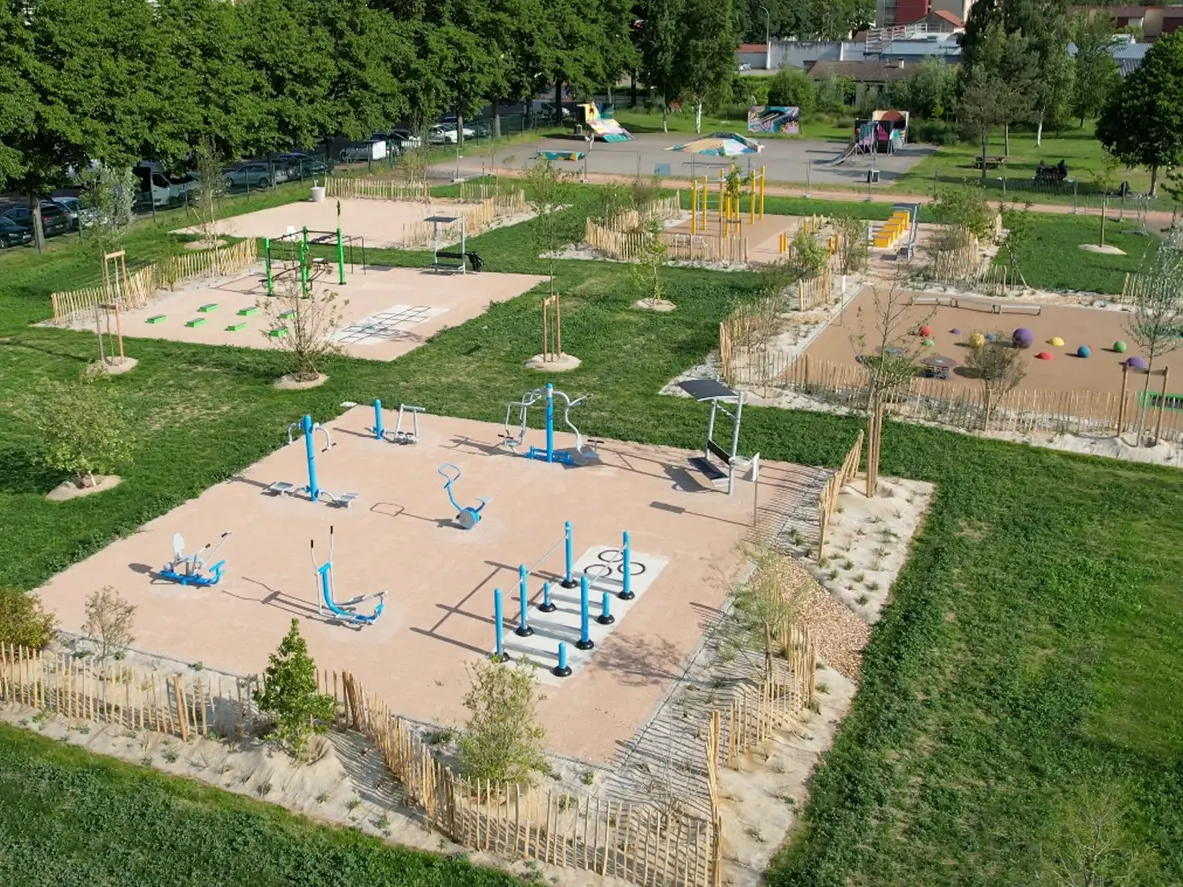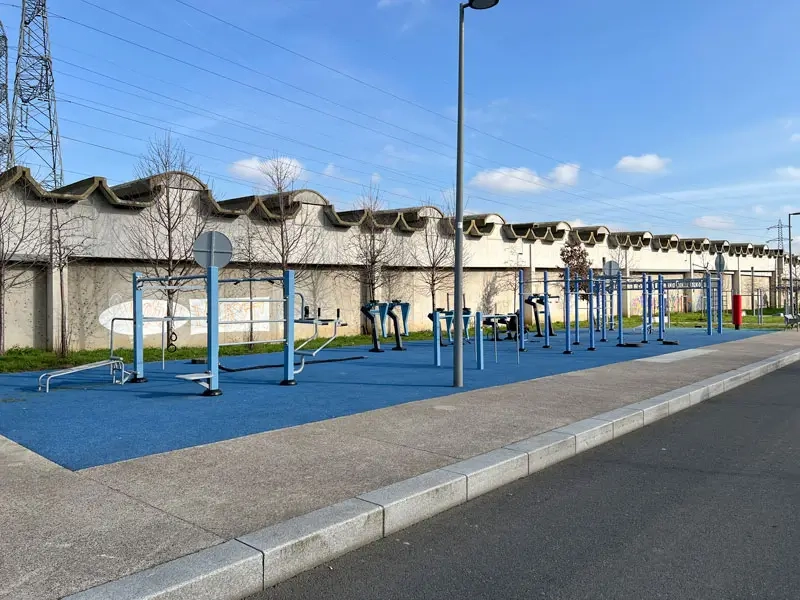

The outdoor fitness area attracts more and more enthusiasts every year. Outdoor weight training allows you to enjoy your surroundings while getting an effective workout. But where can these spaces be created to meet the needs of both beginners and experienced exercisers? Some locations are particularly well-suited to the development of a sports zone featuring pull-up bars, abdominal benches or multi-purpose stations. Here are ten suggestions designed for different urban and natural contexts.

Install a fitness area in green spaces
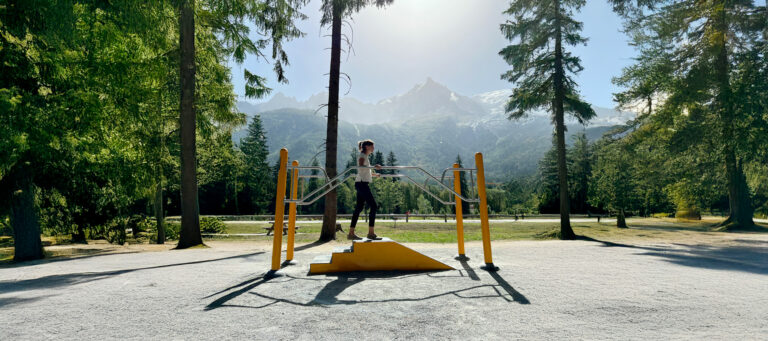
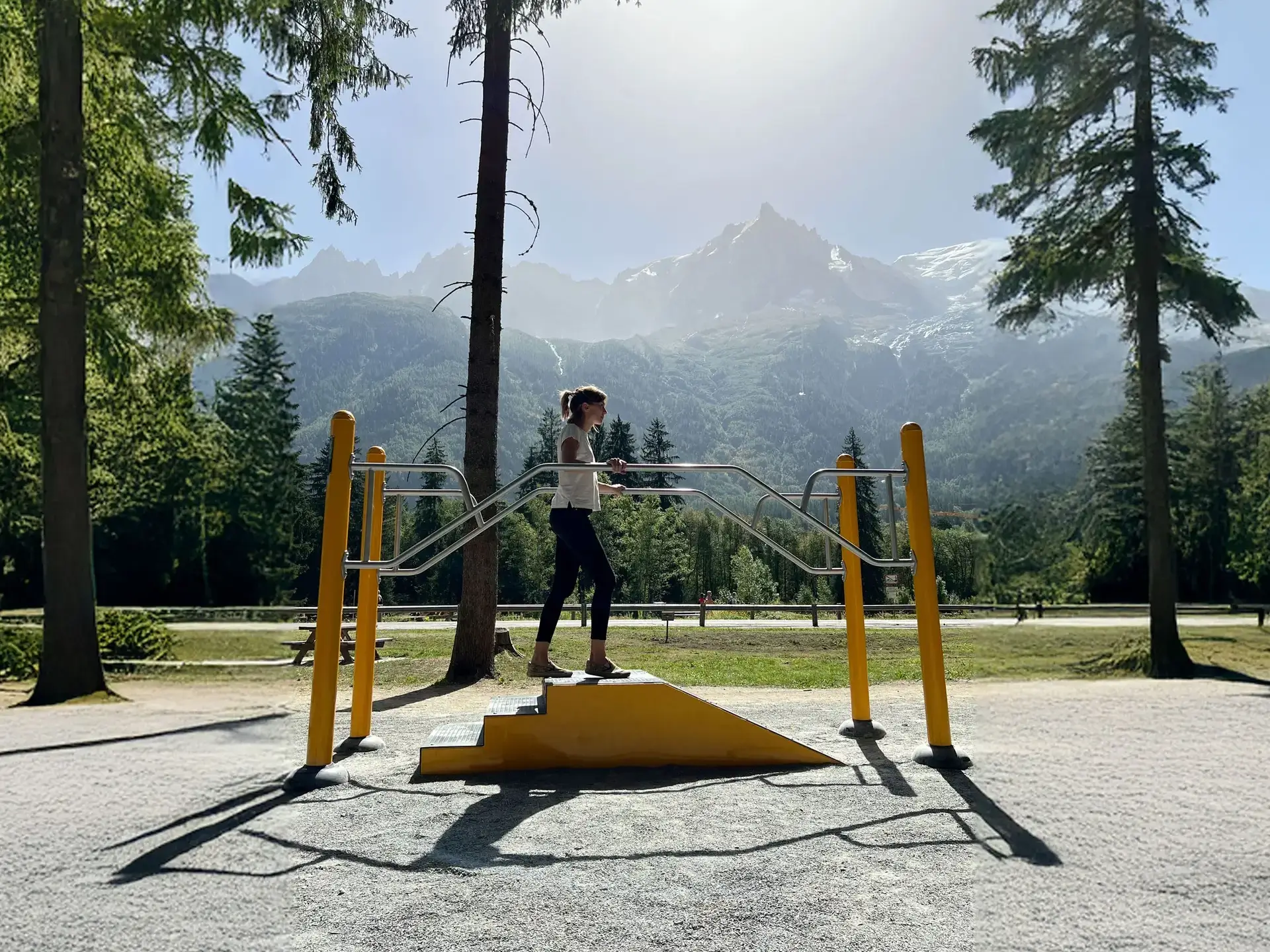
Integrating green spaces offers a pleasant setting for training. Nature encourages recovery and makes sessions less monotonous. There’s also less noise and visual pollution, which helps you concentrate during your workouts.
Close proximity to trees creates shady areas, essential for limiting heat stroke during exercise. Natural flooring is also an interesting alternative to synthetic surfaces, especially for body-weight or floor exercises.
Create a training area in public parks
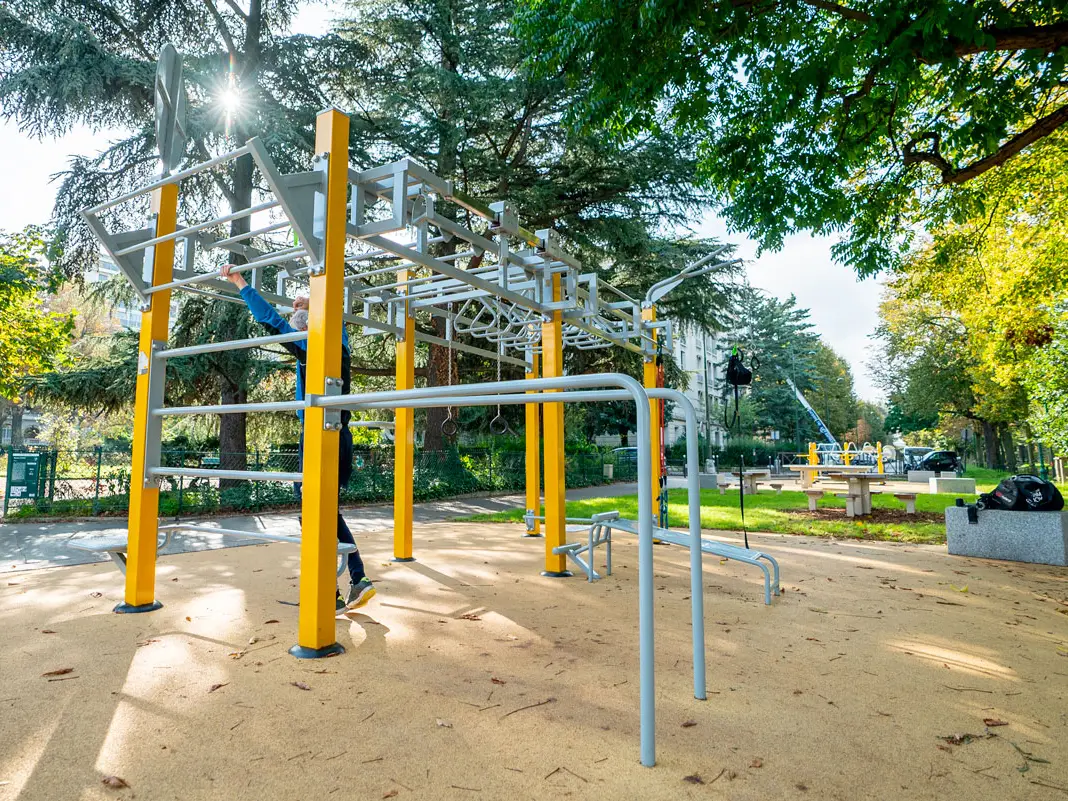
Public parks are popular meeting points, ensuring that the area is well used. The wide aisles make it easy to spread out several modules: parallel bars, dips and plyometric jump platforms are all easily accommodated.
Setting up an exercise area in a park encourages intergenerational physical activity. Children enjoy the nearby playground, while adults work on their pull-ups or squats on dedicated equipment.
Making the most of downtown public squares
Public squares offer a central space accessible by transport or on foot. Installing a fitness area in a town center energizes local life, encouraging residents and workers alike to enjoy an express workout during their lunch break.
The advantage of this type of zone is that it’s visible and therefore attractive for raising community awareness of the importance of regular exercise. What’s more, the heavy traffic reassures exercisers thanks to the constant presence of passers-by.
Optimizing residential areas for collective training
Think about integrating outdoor sports facilities into residential neighborhoods. This is a direct response to the growing demand for fitness solutions that are accessible without the need to travel. Often located between two buildings, these areas encourage conviviality and informal coaching between neighbors.
Setting up complete circuits, combining abdominal ladders, walking paths and stretching areas, for example, stimulates regular attendance and helps to liven up residents’ daily lives.
Enhancing the seaside for an invigorating workout
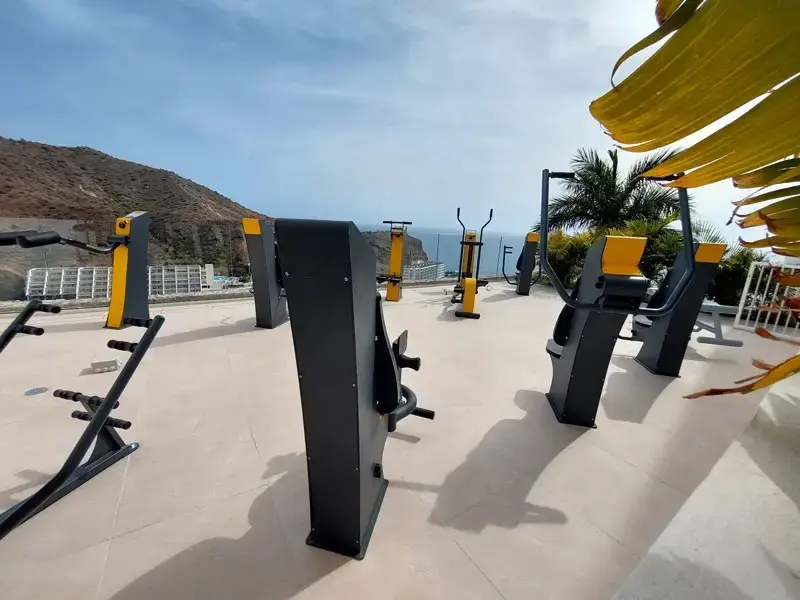
Who hasn’t dreamed of doing push-ups or burpees facing the horizon? Creating a fitness area by the sea combines muscular efficiency, natural ventilation and stimulating surroundings. The iodized air provides a welcome sensation of freshness during exercise.
Many athletes use the beaches for their morning jogging: placing a few facilities in the open multiplies the possibilities. After circuit training, there’s nothing better than a swim to promote muscle recovery.
Developing lakeside sports facilities
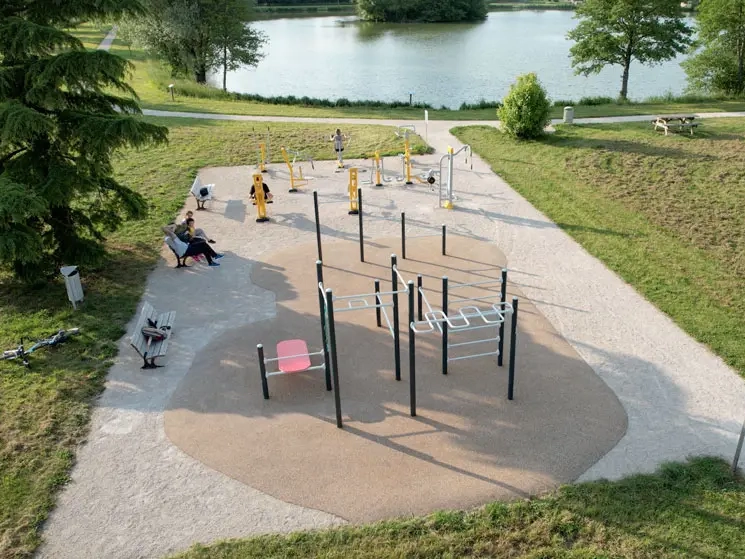
The lakeside environment invites serenity and active relaxation. Placing light weight equipment close to the shore attracts families, joggers and experienced athletes looking for variety. The tranquility of the waterfront encourages concentration for an effective workout.
Many local authorities choose this option to strengthen social ties, placing picnic tables not far from sports areas to prolong convivial moments after the session.
Intelligently occupy underutilized urban areas
Some urban spaces remain little used, but can be enhanced by the installation of suitable sports facilities. Two examples illustrate this potential:
Rehabilitating wasteland
Industrial wastelands and derelict land are great opportunities for creating fitness areas. Investing these spaces with fitness structures enhances the value of the neighborhood and gets people more involved in their environment.
Participative projects enable the area to be adapted to local needs: addition of climbing walls to mobilize the upper body, jumping platforms or multi-purpose poles according to user demand.
Transforming the underside of bridges and viaducts
Often perceived as unattractive, underbridges are protected from the elements and offer large surface areas. Transforming these urban spaces into fitness zones optimizes the vertical city and breathes new life into forgotten places.
Careful lighting and clear signage quickly transform these sites into popular hubs of activity, while providing modules for all levels of practice.
Providing equipment for schools and universities
Incorporating a fitness area into a high school, college or university campus encourages activity from an early age. Students benefit from active breaks that promote concentration and stress management.
A well-designed installation (multi-height bars, various obstacles) enables teachers to offer adapted workshops during physical education classes. These sports zones are also used for inter-class events and local competitions.

Facilitating access to practice in rural and suburban areas
In outlying towns and villages, a lack of infrastructure can be a barrier to sporting activity. Installing a fitness area in a popular spot, such as the exit of a weekly market or a central square, revitalizes these areas and stimulates local involvement.
Attention to location guarantees visibility and safety. Small areas equipped with the essentials are enough to motivate people to take action, without requiring major material investments. Appropriate design facilitates integration into the rural or suburban landscape.
Frequently asked questions about choosing a site for a fitness area
What’s the ideal location for an outdoor fitness area?
It all depends on the target audience. Green spaces, parks and seasides are preferred for their ambiance and air quality. In urban environments, public squares or high-density residential areas are preferable to maximize daily traffic.
- Natural spaces: motivating setting, easy recovery
- Urban environment: increased accessibility, practical during lunch break
- Waterfront: physical activities and relaxation
What technical criteria need to be checked before installation?
Check for solid ground, sun exposure, safety and ease of access. Think about footpaths, lighting and the proximity of water points. Integration into the landscape and compliance with standards ensure that the site is suitable for all types of public.
- Accessibility for people with reduced mobility
- Clear, appropriate signage
- Cushioned floors under impact zones
How do you secure a fitness area in an urban area?
Choose a well-lit site, close to housing or other frequented areas. Regular maintenance prevents the risks associated with equipment wear and tear. Involve users in reporting damage to maintain optimal conditions.
- Monthly maintenance of structures
- Automatic lighting at dusk
- Presence of a pictogram indicating correct use
What activities can you offer on an outdoor fitness area?
Pull-up bars, balance courses, abdominal benches, step-ups and squat stations are just some of the must-haves. Vary the heights and types of equipment to satisfy as many people as possible and encourage a global approach to functional muscle training.
| Hardware | Target muscle group | Type of exercise |
| Parallel bars | Pectorals, triceps | Dips, sheathing |
| Pull-up Bar | Dorsals, biceps | Pronation/supination pull-ups |
| Abdominal bench | rectus abdominis | Crunch, leg raise |
| Variable height | Thighs/buttocks | Step-up, Bulgarian squat |