
Selecting outdoor sports facilities for a community requires a well thought-out, structured approach. It’s not enough to install a few pull-up bars or a simple vacant lot: it’s above all a project rooted in a precise diagnosis of needs, guided by the desire to create an inclusive, lively space. Accessibility, user-friendliness and versatility of equipment are at the heart of this approach to transforming public space into a genuine place for sport and sharing.
Establish a precise diagnosis of needs
Choosing the right outdoor sports equipment starts with a thorough understanding of your customers’ expectations. A solid diagnosis of needs is based on various tools: family surveys, direct observation of spontaneous practices, exchanges with local associations. This work enables us to target precisely who will be using the facilities and at what times of the week or day.
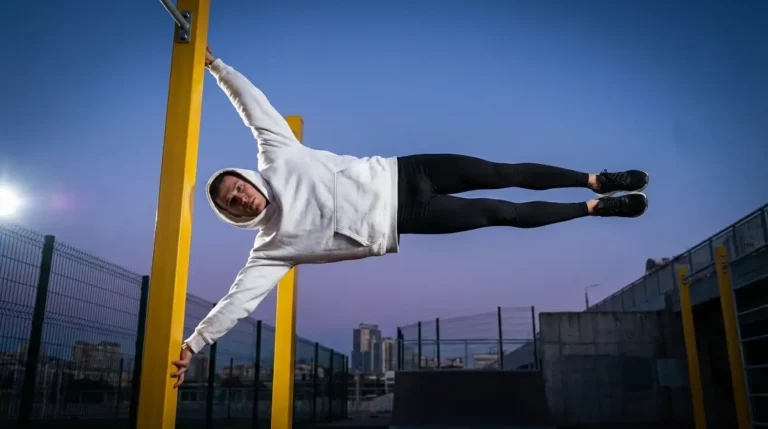
Analysis often reveals a strong demand for recreational facilities and multi-purpose areas. The emergence of multi-sports fields and outdoor fitness stations illustrates this craze for a diversity of activities. Some age groups are also looking for specific areas: skateparks, street workout areas, balance modules. Adapting the range of equipment to this diversity avoids little-used facilities and optimizes municipal investment.
Prioritizing accessibility and social inclusion
Accessibility goes far beyond taking account of people with reduced mobility: it encompasses the proximity of facilities, their openness to all regardless of age or level, and ease of access to information. Local facilities encourage regular practice, whether on the way to school, with friends or family.
Non-slip surfaces, adapted ramps and educational signage make it easy for everyone to get involved. The choice of location is also crucial: a central, visible area is more attractive, while an isolated space remains under-used. Integrating outdoor sports facilities into the urban fabric enhances their use and safety.

Modularity and versatility: two essential levers
Why aim for equipment versatility?
Multisports pitches and other modular solutions offer real added value when they enable the practice of several activities. This versatility of equipment maximizes the use of each square meter and reduces overall costs, while broadening the range of sports on offer.
This structural flexibility facilitates the organization of school projects, senior workshops or association tournaments. In this way, you can optimize the use of outdoor sports facilities and make the most of public investment over the long term.
What are the advantages of modularity?
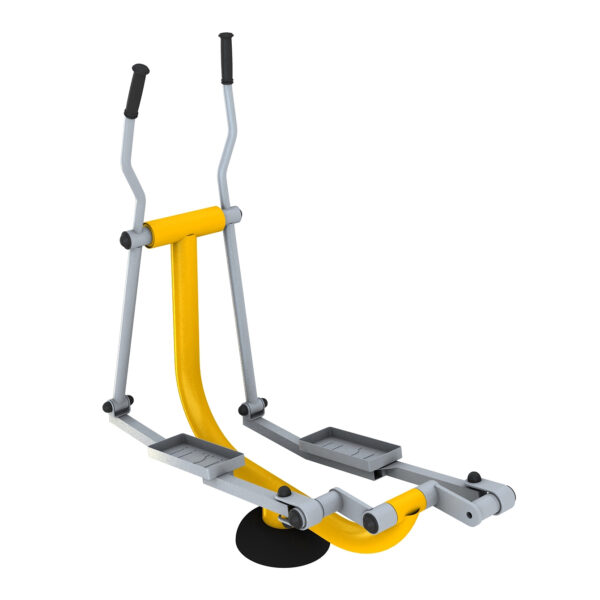
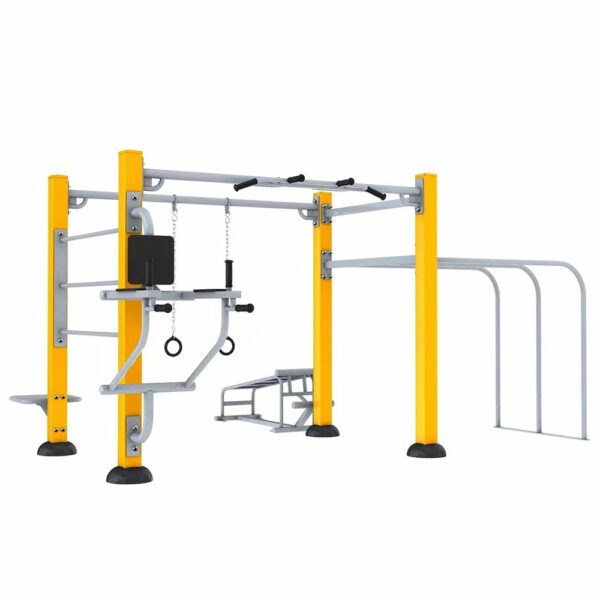
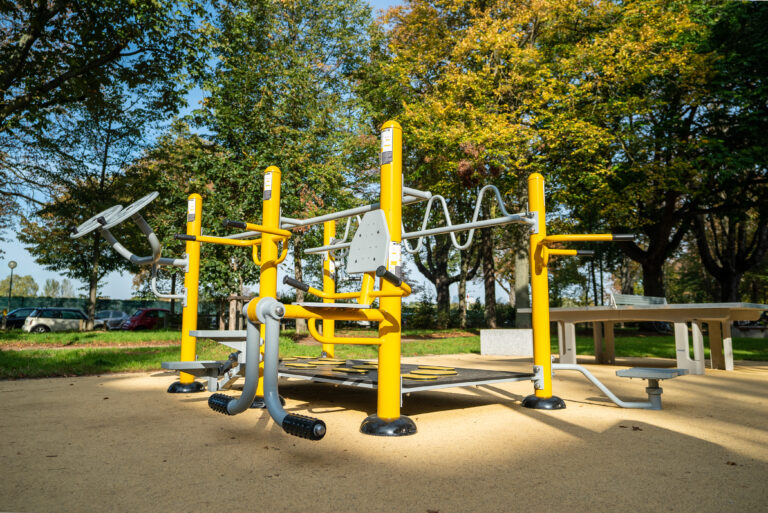
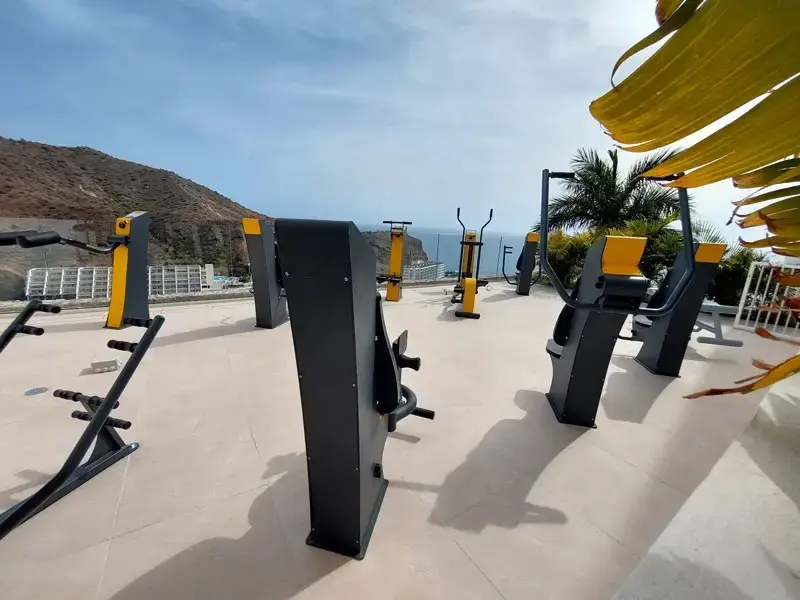
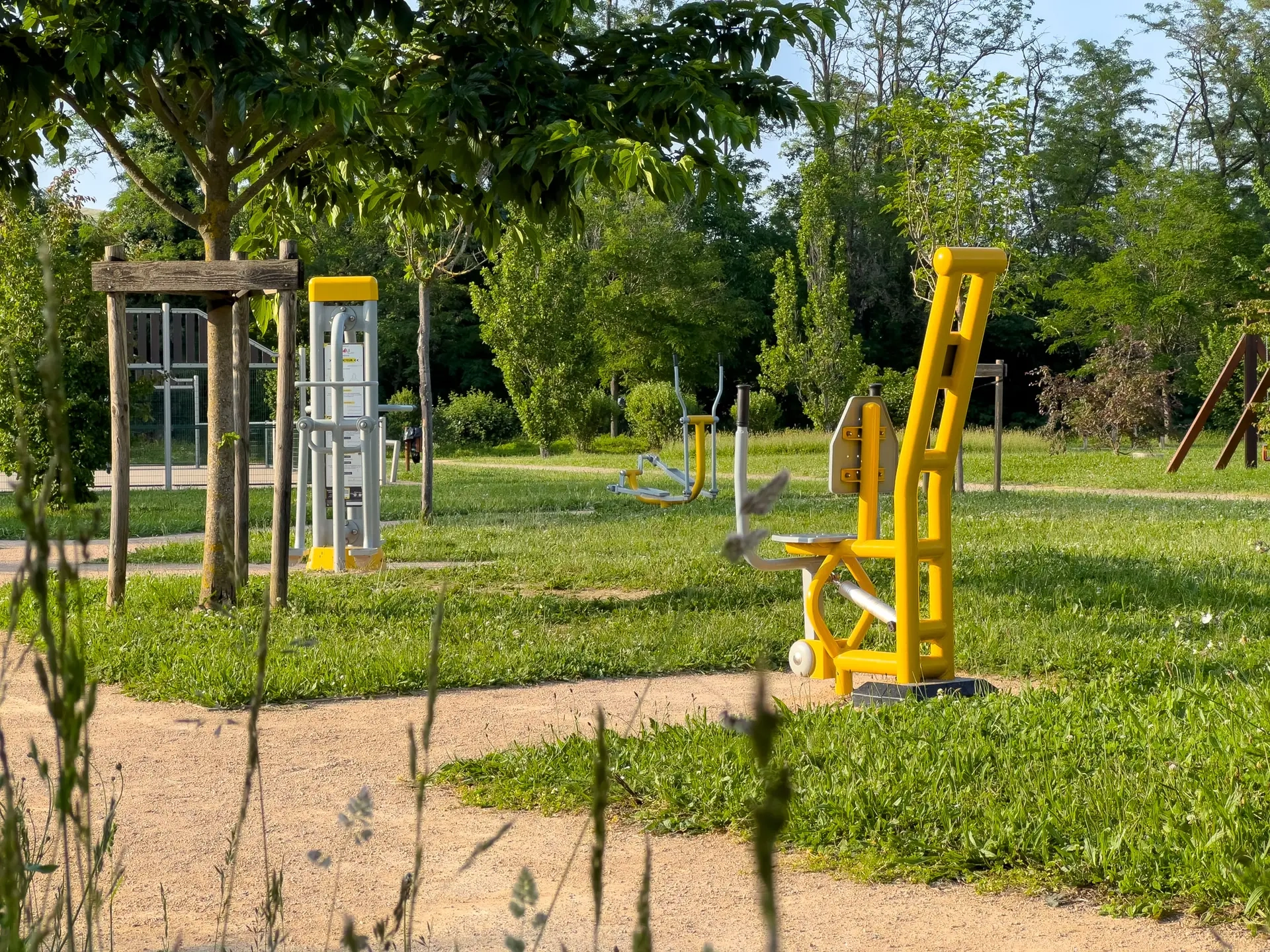
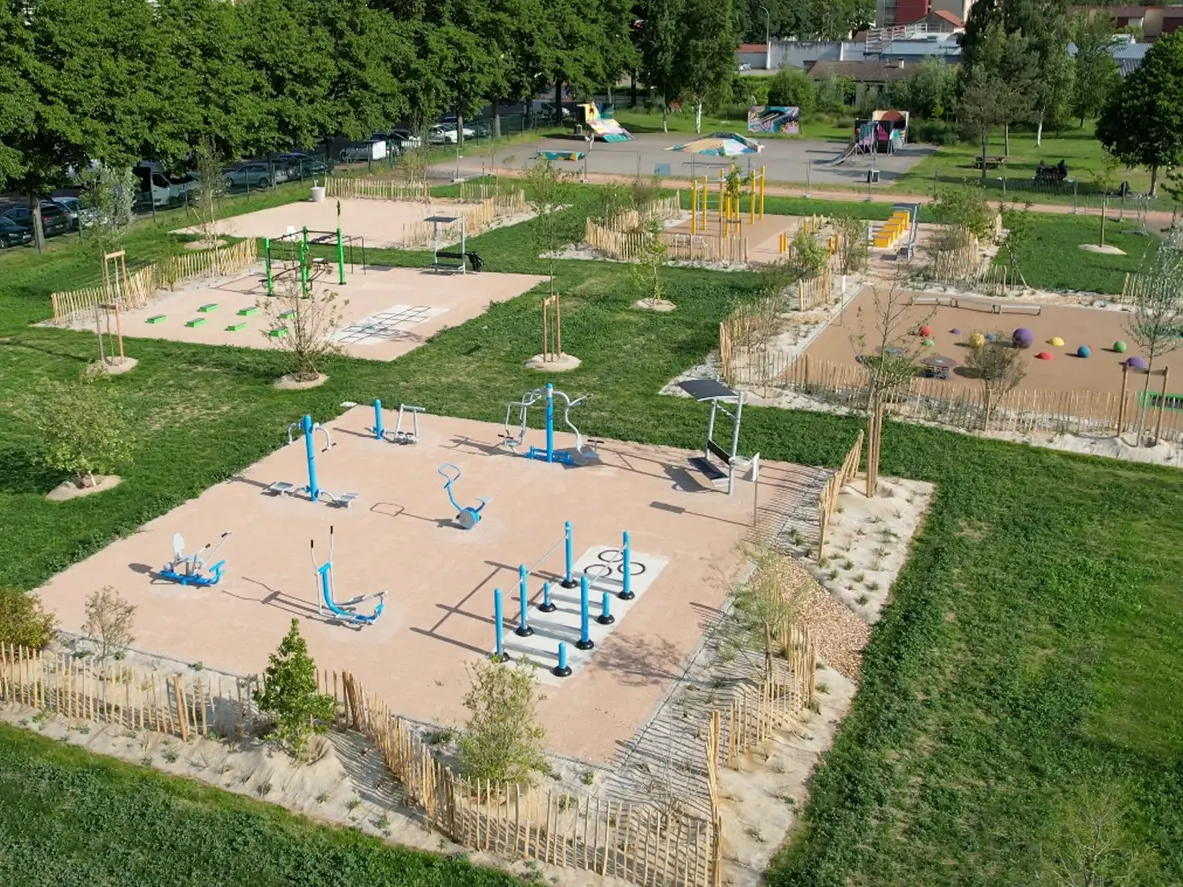
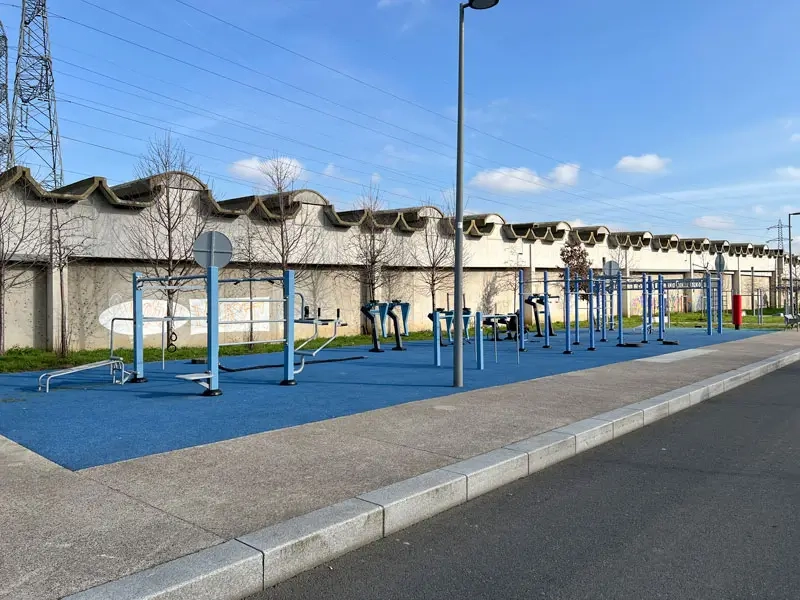
Modularity means that facilities can be gradually adapted in line with user feedback and changing trends. For example, integrating new equipment into an outdoor fitness station(abdominal benches, elliptical bikes, pull-up bars) meets a variety of needs. This ability to evolve simplifies maintenance, prolongs service life and offers more flexible economic management.
Opting for upgradeable equipment limits maintenance costs: replacing a specific module is simpler than renewing the whole park. Modularity also encourages citizen participation, as residents can suggest new modules as they see fit.
Focus on user experience and safety
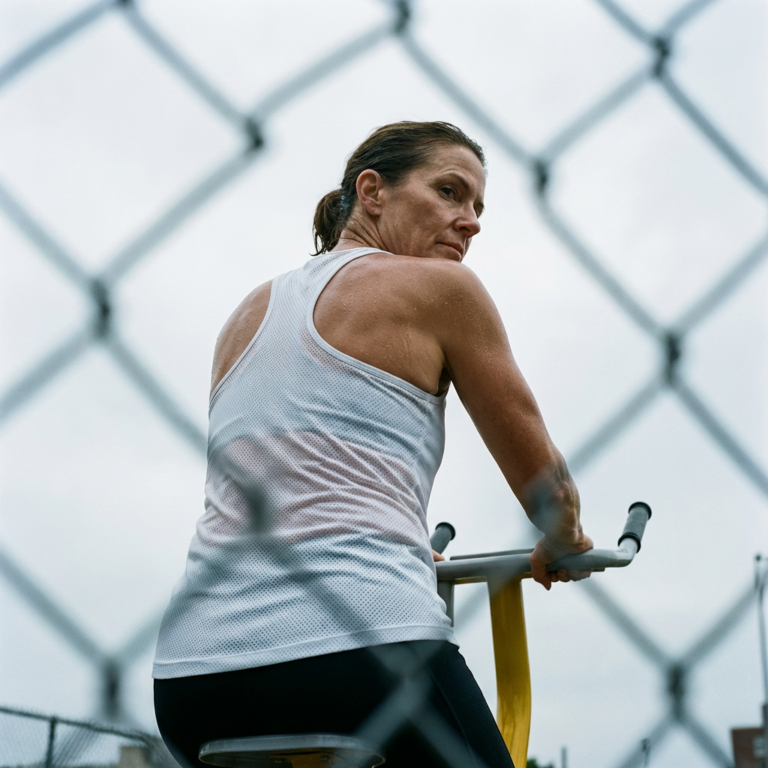
Outdoor training offers unique sensations: wind, temperature variations, natural light. These elements contribute to the motivation and pleasure of using outdoor fitness zones. Fun equipment, ergonomic furnishings and specially-designed routes multiply the opportunities for return visits and make physical activity accessible to all.
Safety remains our top priority. Regular inspection of installations reduces the risk of injury. Sturdy materials that comply with current standards protect users. Posting clear instructions on posture, warm-up and cool-down encourages responsible use of outdoor sports facilities.
Selecting the right equipment for the local context
List of main equipment to consider
Every environment requires its own solutions, but there are a few classics that are a must for every municipality:
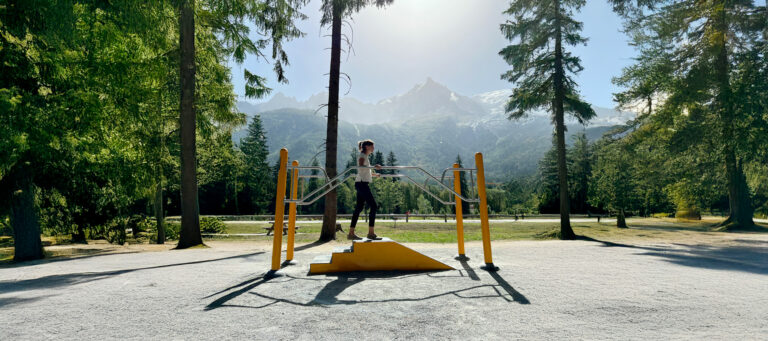
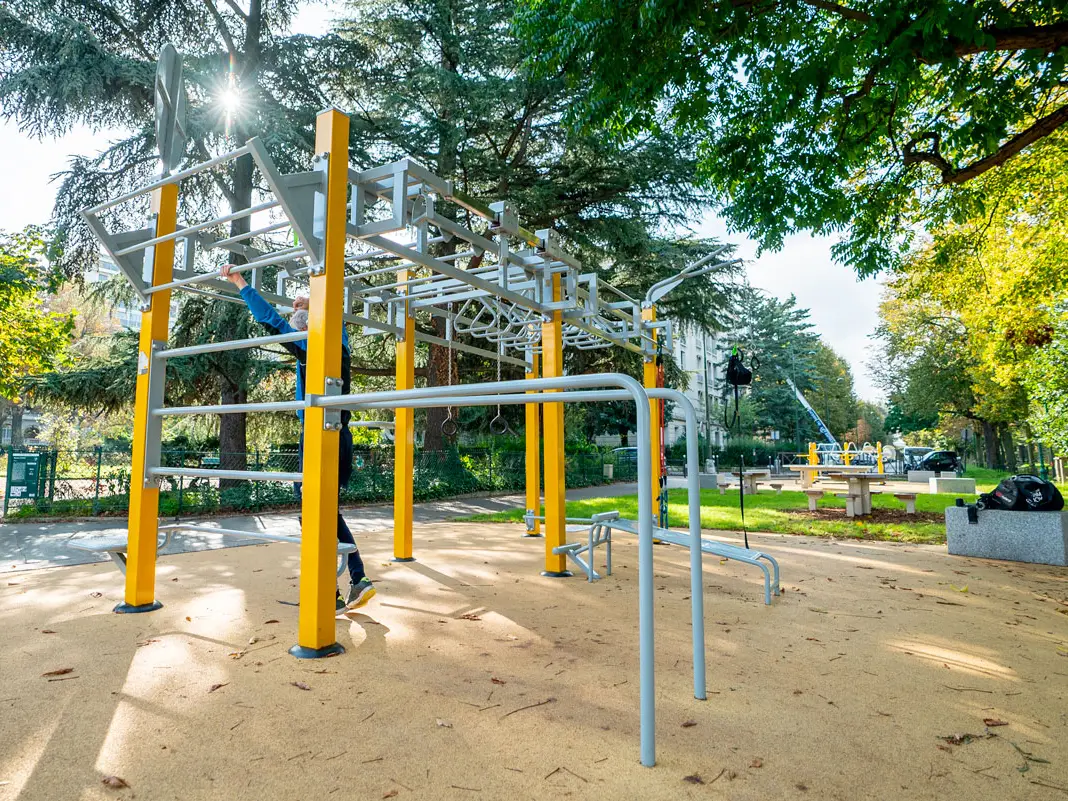
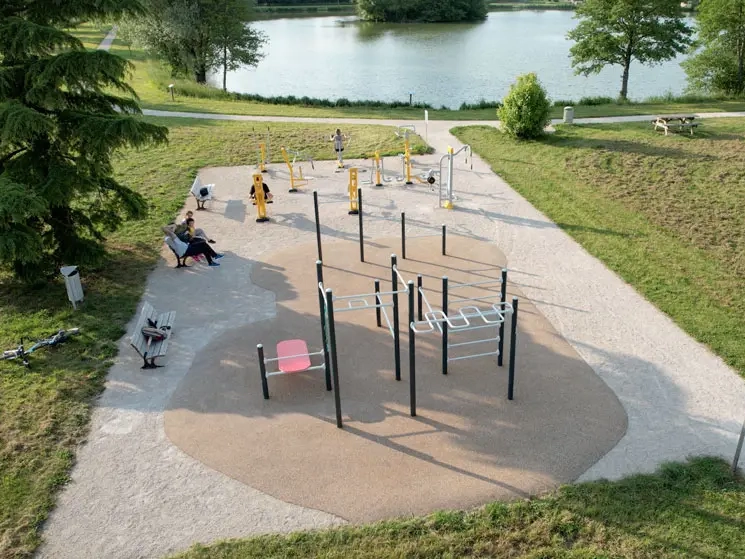
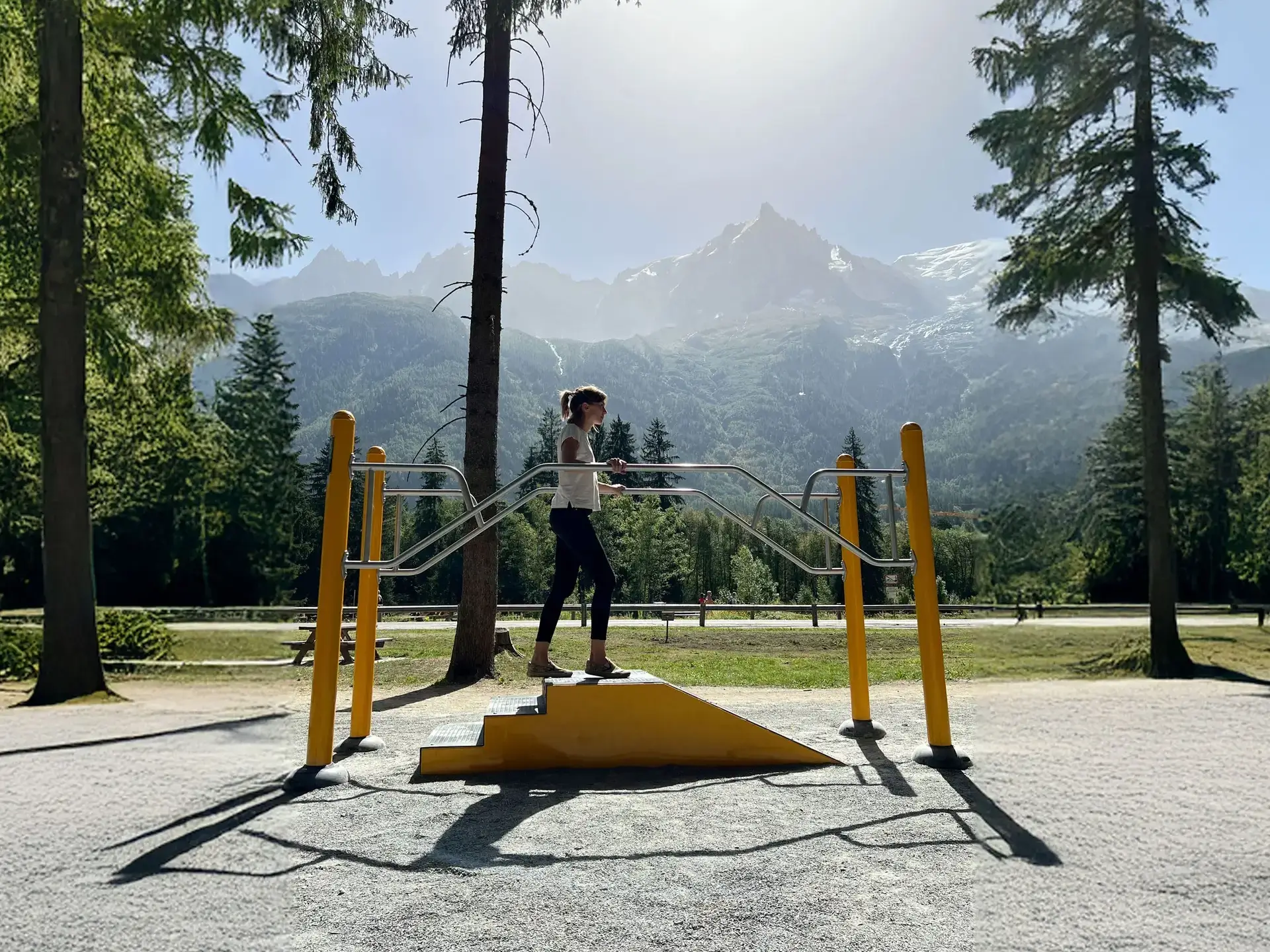
- Outdoor fitness equipment stations: dips, pull-ups, bikes, rowing machines
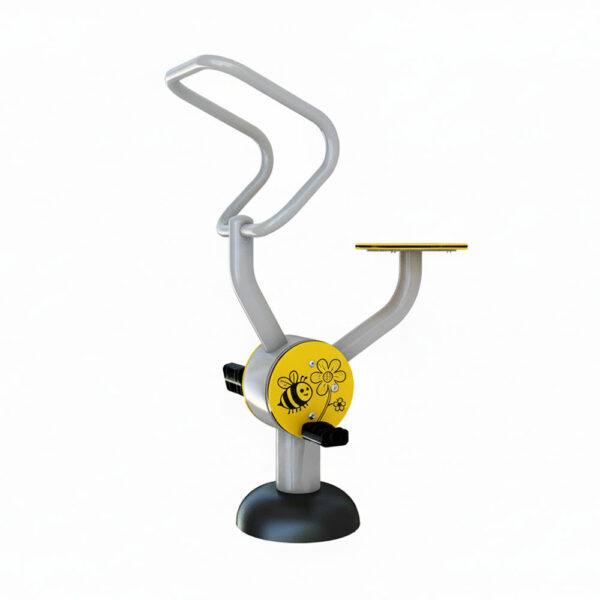
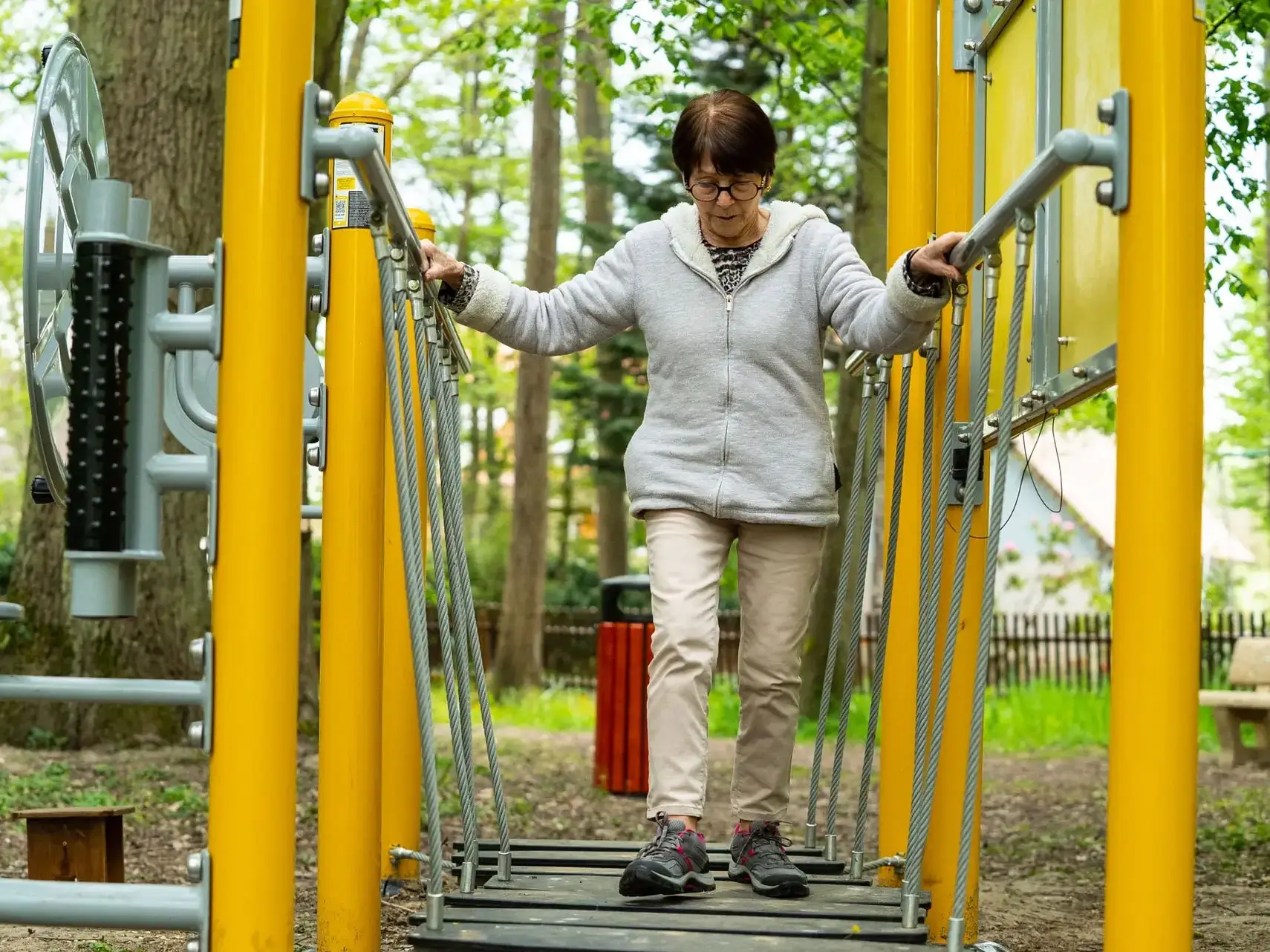
- Children’s motor skills course (balance modules, gentle climbing)
- Play areas to encourage intergenerational links
- Benches and tables to encourage sports meetings and relaxation
Combining several sports modules creates a dynamic ecosystem, animated throughout the day. Offering outdoor sports facilities of varying intensities encourages a mix of athletes, senior citizens seeking to preserve their mobility and families.
Comparative example of equipment by purpose
To clarify your choices, here’s a summary table highlighting the fundamental differences between three major layout families:
| Type of equipment | Target audience | Main objective | Versatility level |
| Multisports field | Young people, schoolchildren, clubs | Team play, amateur competition | Very high |
| Outdoor fitness equipment | Adults, seniors | Strength, health | Medium to high (varied exercises) |
| Modular play areas | Families, grandchildren | Socialization and motor skills | Adaptable, specific use |
This type of analysis helps you allocate the municipal budget and ensure that outdoor sports facilities complement each other to satisfy all user profiles.

Frequently asked questions about choosing sports equipment for a local authority
How can I carry out an effective needs analysis for my community?
Needs analysis combines participative approaches and observation of actual sports practices. Open questionnaires in schools, clubs and neighborhoods to gather expectations, analyze ages and times of use, then map available spaces. This ensures that outdoor sports facilities are adapted to the local population.
- Parenting, youth and seniors survey
- Observation of current uses
- Demographic analysis of neighborhoods
What criteria should be taken into account when choosing a site?
Think about safety, visibility from the public highway and accessibility on foot or by bike. A good site is close to high-traffic areas (schools, markets), has sufficient space to limit nuisance and blends harmoniously into the urban landscape.
- Accessibility and soft transport
- Natural security (light, passage)
- Landscape integration potential
How can we ensure the versatility of outdoor sports facilities?
Encourage scalable infrastructures: combined modules, adjustable courts, modular fitness equipment. This makes it possible to offer several sports (soccer, basketball, motor skills, circuit training). Add new workshops over time as success dictates, to maintain interest and usage.
- Multi-activity structures
- Fitness equipment for all levels
- Transformable play modules
What features make for maximum accessibility?
Rely on local equipment, placed in flat, step-free areas, with clear signage. Incorporate ramps, ergonomic slabs or universal PRM equipment. This ensures optimum accessibility for all, including the mobility-impaired.
- Fully PRM-accessible areas
- Contrasting floor markings
- Non-slip materials
| Device | Usefulness |
| Inclined ramps | Wheelchair and stroller access |
| Tactile/audible signs | Orientation for the sensory impaired |