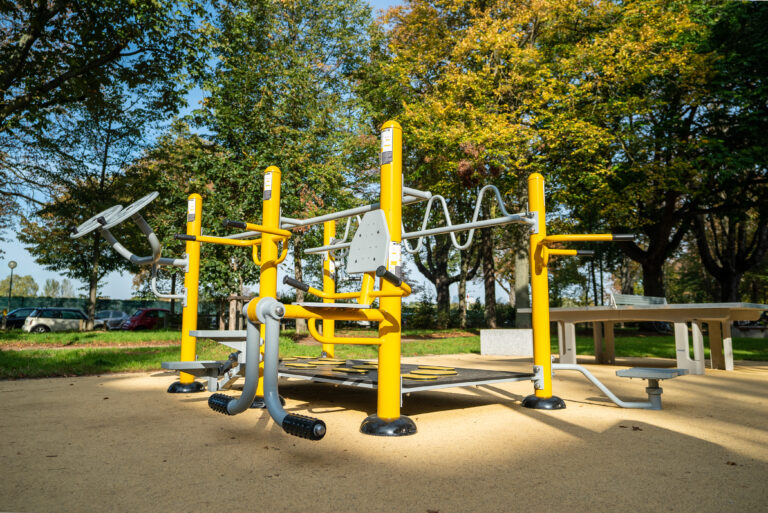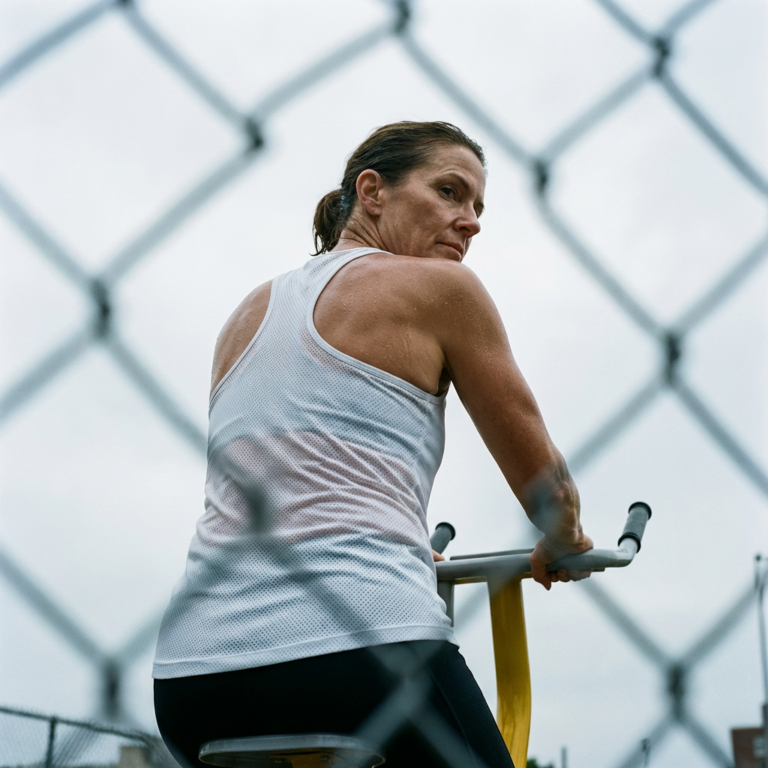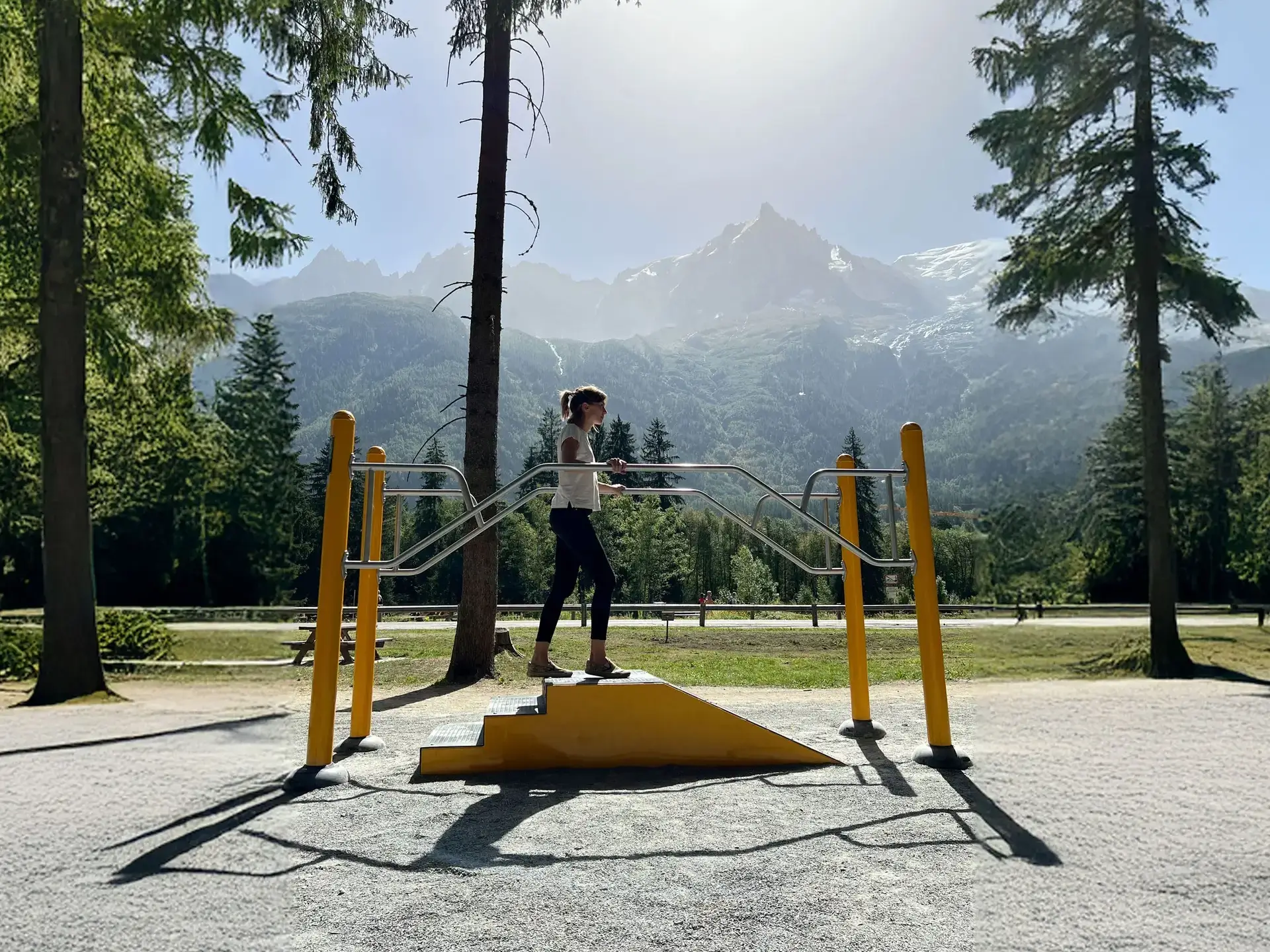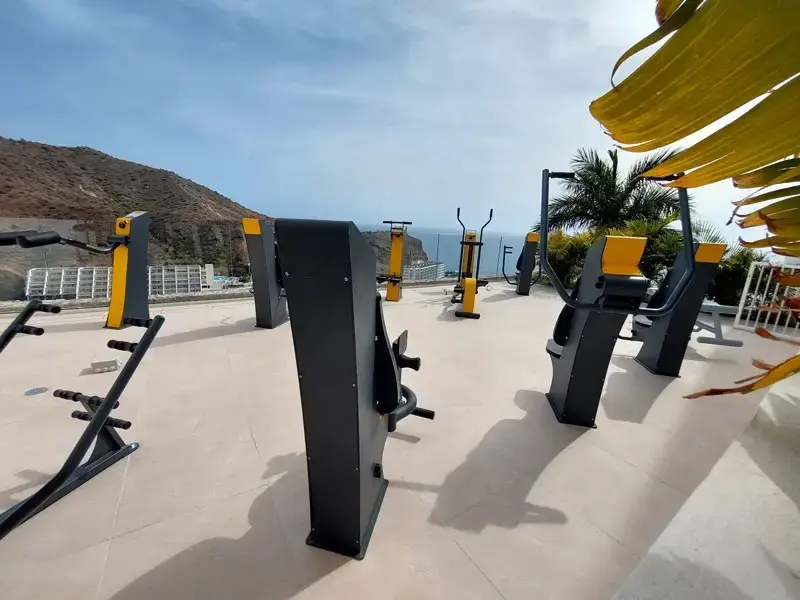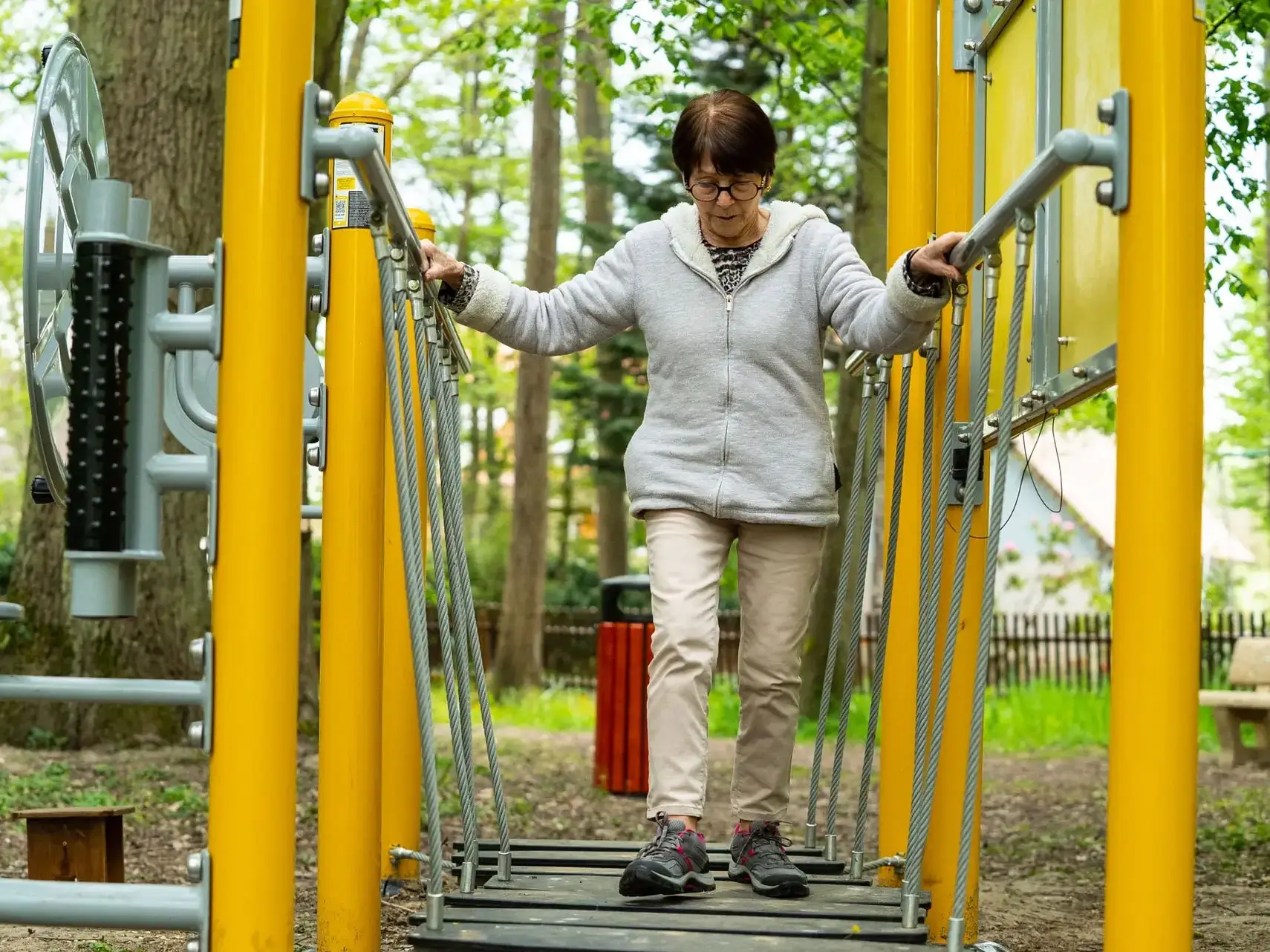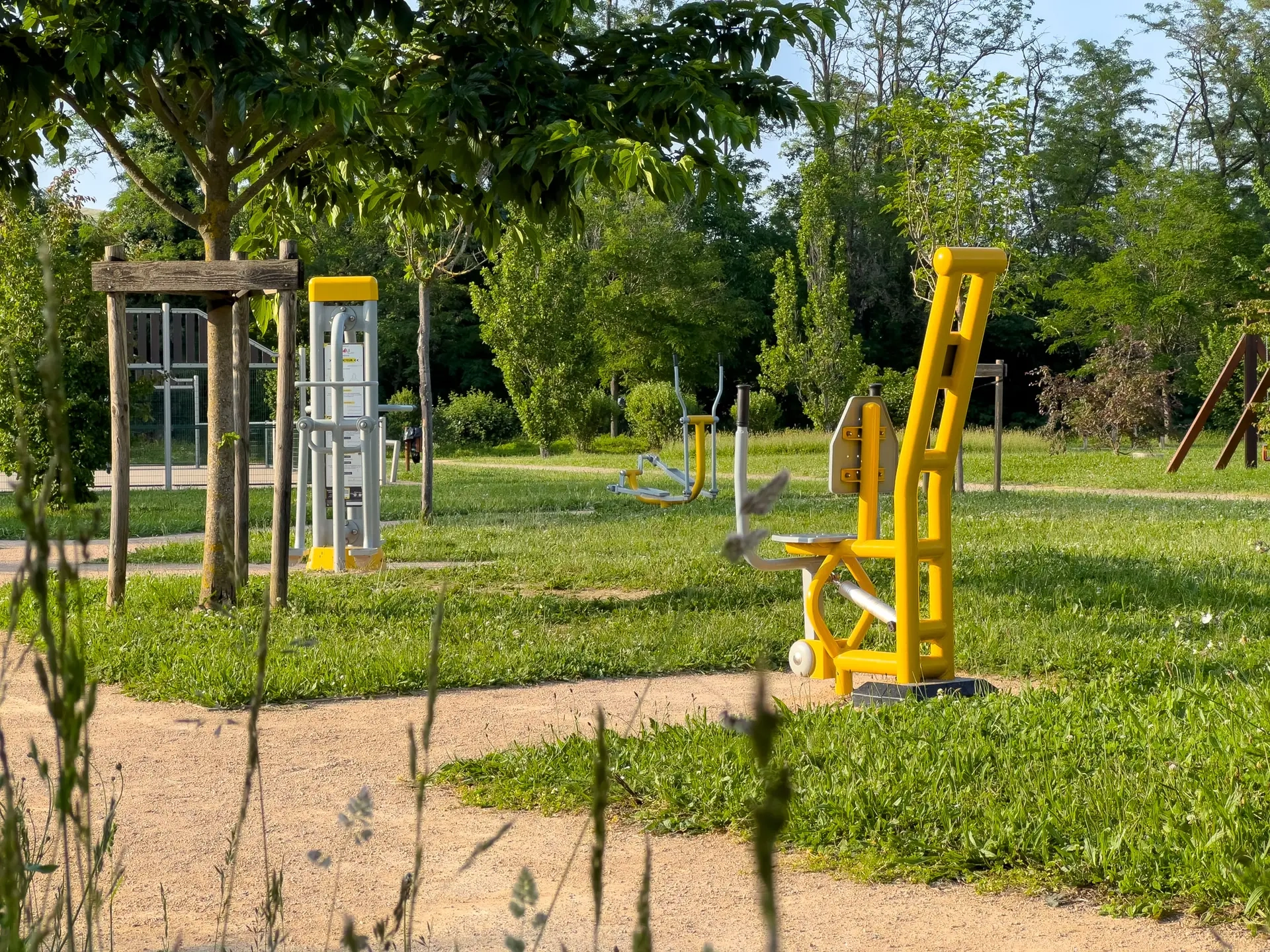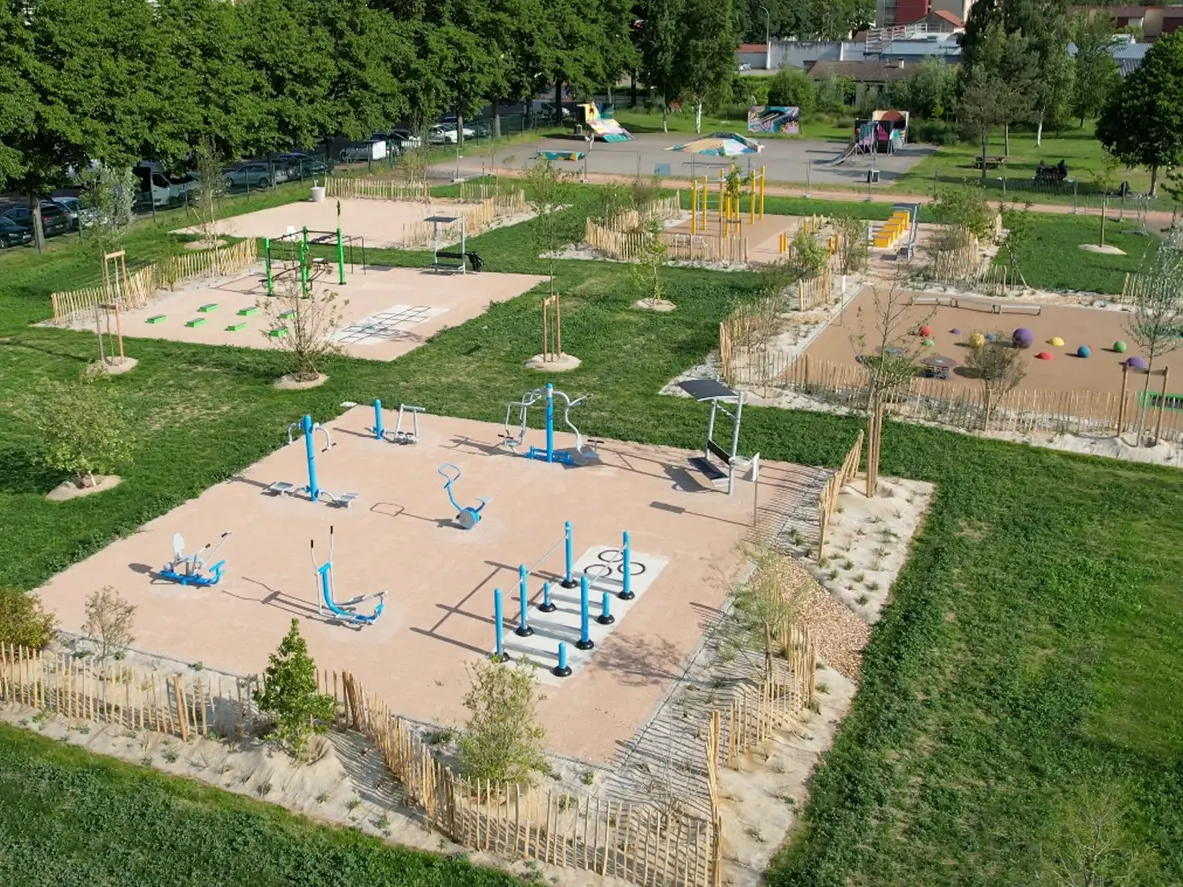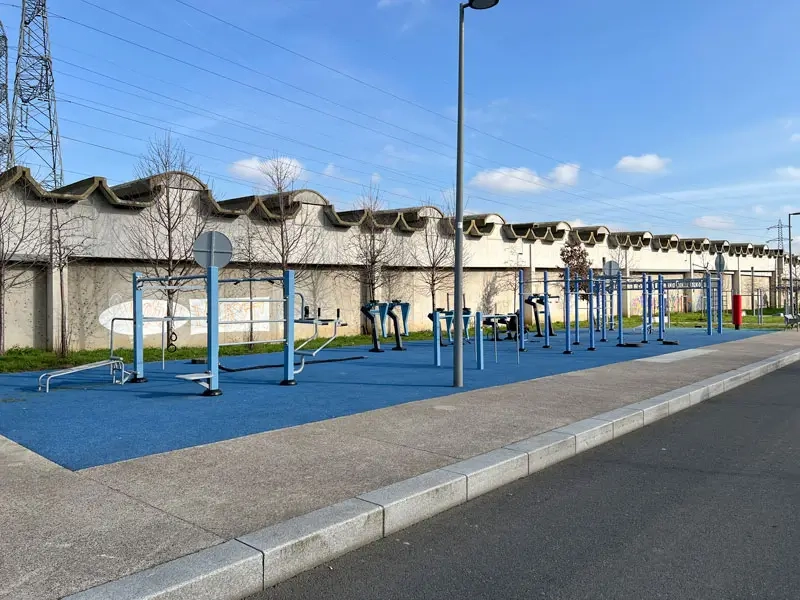

Setting up a bodybuilding and fitness area in a park attracts everyone from the curious walker to the experienced athlete. But how do you choose the most suitable outdoor sports equipment? To guarantee safety, diversity and disabled access, you need to select equipment that is robust, stimulating and open to all. Here’s how to put together the perfect park, combining user-friendliness, efficiency and training pleasure.

Key takeaways:
- A public fitness park must offer a variety of machines, suitable for both beginners and experienced athletes.
- Combining cardio training, muscle strengthening and mobility guarantees a complete workout
- Equipment must be robust, weatherproof and vandal-resistant
- Circuit-training layout encourages commitment and fluidity during sessions
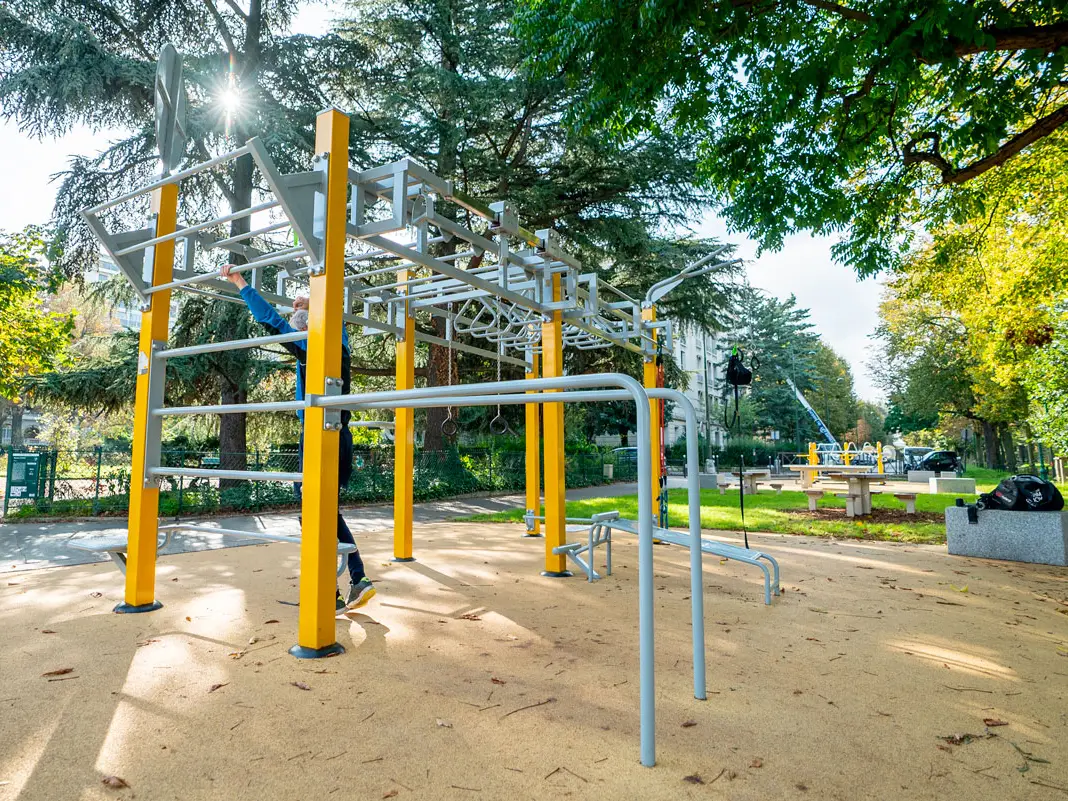
- Street workout apparatus (pull-up bars, parallel bars) are a must.
- Outdoor cardio machines (elliptical bikes, rowing machines, steppers) safely improve endurance
- PRM accessibility is essential for an inclusive, intergenerational space
- Shock-absorbing floors, clear signage and station spacing enhance user safety
- A well-thought-out choice of facilities increases visitor numbers, user-friendliness and the park’s sustainability.
How to select outdoor sports equipment
A well-equipped park should cater for beginners as well as seasoned exercisers. The outdoor fitness equipment chosen should stimulate all the main muscle groups. Choose easy-to-use outdoor fitness equipment designed to withstand the elements, repeated use and vandalism.
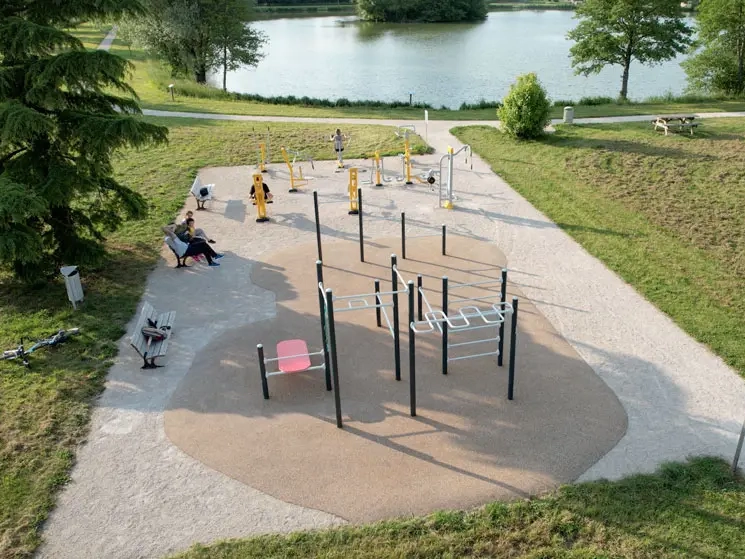
The installation of outdoor body-building equipment is based on a circuit approach. Cardio training equipment is combined with stations dedicated to strength or mobility. This mix provides variety and targets all physical qualities: endurance, power, coordination and flexibility.
What criteria should you take into account?
Think about the modularity of machines: the more multifunctional they are, the more they will satisfy a wide audience. Minimal maintenance, sturdy materials (galvanized steel, epoxy paint) and the inclusion of modules for disabled access ensure the longevity of your installations.
The “full-body” design gives priority to exercises involving several joints. Last but not least, clear signage on each piece of equipment reduces the risk of incorrect movements: diagrams of use, muscle groups worked and safety advice are all essential.
What layout should you adopt to stimulate engagement?
Plan separate zones according to objectives: a cardio section with exercise bikes, outdoor rowing machines and steppers, a street workout area for bodyweight exercises, then workshops targeting the upper and lower body. The loop layout encourages circuit-training, ideal for energizing an independent session.
Integrating outdoor fitness equipment such as pull-up bars and abdominal benches under cover extends their useful life, whatever the weather. Varying the heights and types of holds facilitates inclusive practice and encourages progress at your own pace.
Which outdoor fitness classics to choose?
Between modernity and tradition, certain outdoor fitness machines remain indispensable. They appeal as much for their efficiency as for their ease of access, not forgetting their ability to bring different audiences together around the same passion for movement.
The sensory experience plays a major role in the appeal of outdoor sports facilities. The cool feel of metal, the discreet sound of resistance and the fluidity of the pendulums create an atmosphere conducive to collective motivation.
Cardio training: choices for the great outdoors?
Cardio training equipment covers essential endurance needs. Outdoor elliptical bikes offer a complete workout, stimulating both legs and torso through coordinated pedaling and pulling movements. This type of machine is gentle on the joints, while generating a significant caloric expenditure.
Alongside these, outdoor rowing machines build back, shoulder and arm muscles, while developing breath. The linear gesture encourages concentric then eccentric contraction on each cycle. Classic exercise bikes can easily be placed in a shaded area for longer sessions or active recovery.
Strengthening muscles: the best of street workout
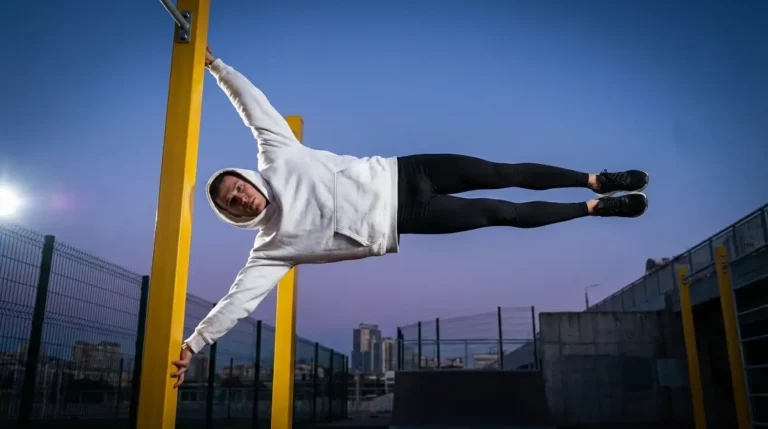
The installation of pull-up bars is essential if you want to offer a complete street workout experience. Their design should allow for different grip widths to vary intensity (pronation/supination pull-ups, suspended knee raises). Parallel bars also help with dips, push-ups and gluteal support.
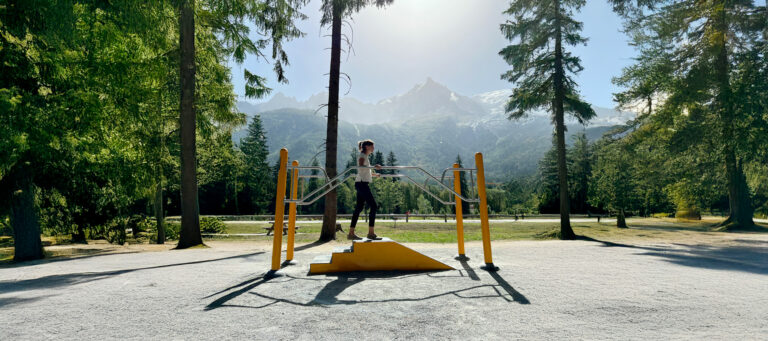
Complete with step platforms, inclined benches for abs and lumbar extensions to strengthen abdominal muscles, posture and back muscles. Choose from a range of heights and resistance levels to suit teenagers, adult beginners or demanding performers.
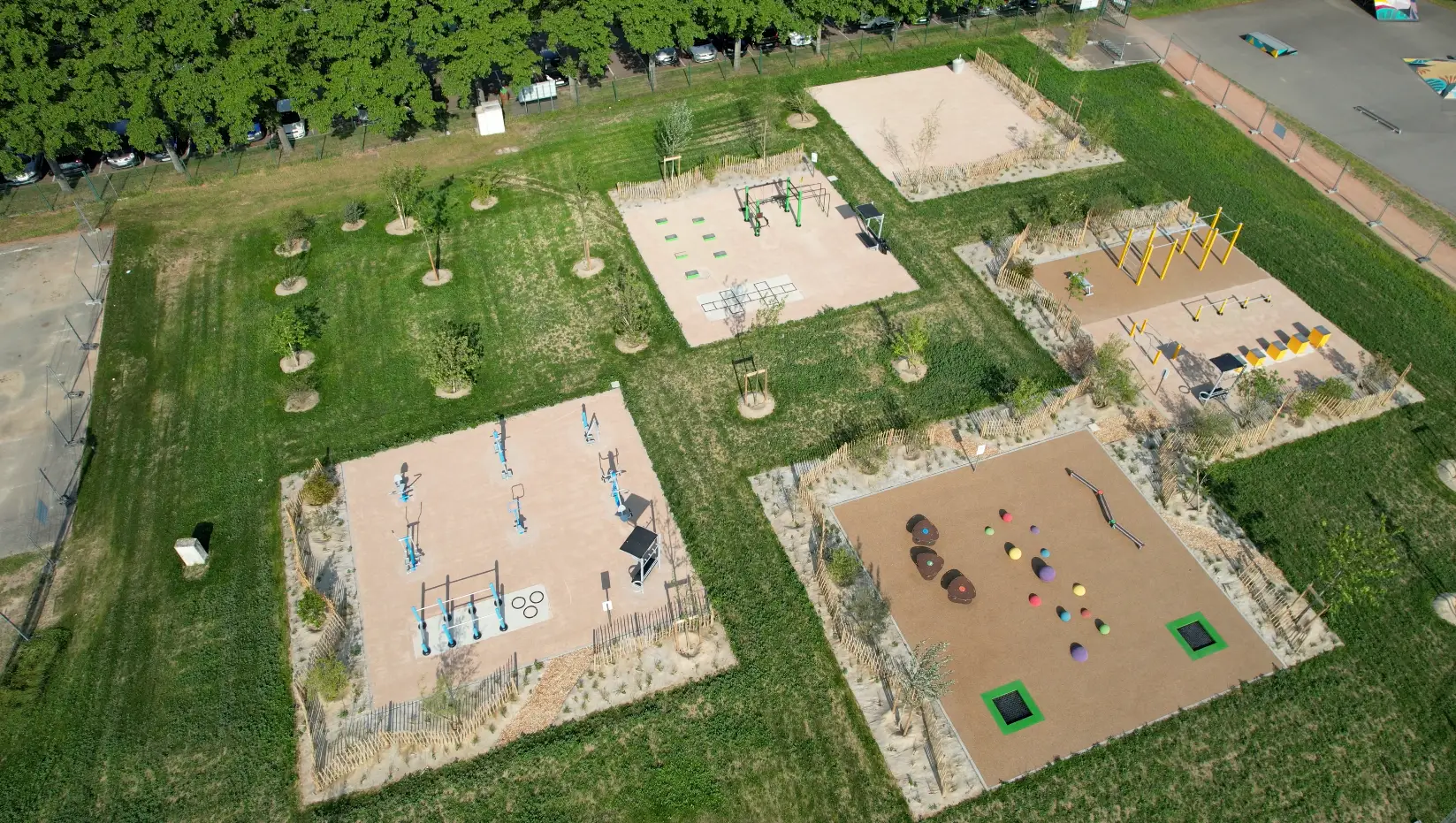
Increased accessibility and safety: which choices to make?
Paying particular attention to disabled access makes the park more inclusive. Opt for devices with fold-down seats, ergonomic handles and sufficient space around each station. This ensures safe use by people with reduced mobility, while promoting social integration.
Be sure to use shock-absorbing, non-slip floors around equipment, and space outdoor sports equipment far enough apart to avoid collisions. Post instructions for use, recommended recovery times and tips for good posture on each piece of equipment.
- Elliptical bikes: for gentle cardio training, protected joints
- Pull-up bars & parallel bars: indispensable for street workout
- Outdoor rowing machines: all-round training (back, arms, core)
- Abdominal and lumbar benches: strengthening the core of the body
- PMR-accessible modules: ergonomics, stability, safety
| Equipment | Type of work | Target audience |
| Outdoor elliptical | Cardio, full-body | All ages and levels |
| Drawbars | Strength, street workout | Teenagers, trained adults |
| Outdoor rowing machine | Cardio, back training | Active seniors, adults |
| PMR equipment | Mobility, multisport | People with reduced mobility |
Frequently asked questions about choosing outdoor fitness machines
What’s the best cardio training equipment for a public park?
- Elliptical bikes offer an excellent compromise between intensity and joint safety.
- Outdoor rowing machines work the posterior muscle chains harmoniously and improve endurance.
- Exercise bikes are perfect for longer sessions, ideal for beginners and seniors.
| Machine | Main asset |
| Elliptical trainer | Global work, limited impact |
| Rowing machine | Back training, sheathing |
| Exercise bike | Gentle endurance |
Which outdoor fitness equipment is best for strengthening muscles?
- Pull-up bars are essential for developing upper-body strength.
- Parallel bars provide variety for working triceps, pectorals and sheathing.
- Abdominal benches and step platforms complete the set-up for the central strap.
This equipment allows for variations in exercises: wide/tight pull-ups, dips, leg raises, decline push-ups, etc. Alternate workshops to avoid monotony.
How to make outdoor sports facilities accessible to people with reduced mobility?
Choose height-adjustable machines with removable seats and lateral clearance. Wide, non-slip handles and a shock-absorbing floor enhance safety.
- Signage in Braille and large print.
- Clear, unobstructed routes.
- Benches and supports for chair-seat transfers.
Is special maintenance required for these installations?
Yes, regular checks prevent premature wear and accidents. Check screws for tightness, corrosion on metal surfaces and the general condition of seats and handles. Clean surfaces frequently to maintain hygiene and prevent slipping. Plan at least two service visits per year.
- Mechanical inspection (screws, pins, welds)
- Disinfectant cleaning
- Updating instructions or displays